
Latest
Courtroom Shake-Up Looms As CJN Kekere-Ekun Cracks Down On Slow Justice

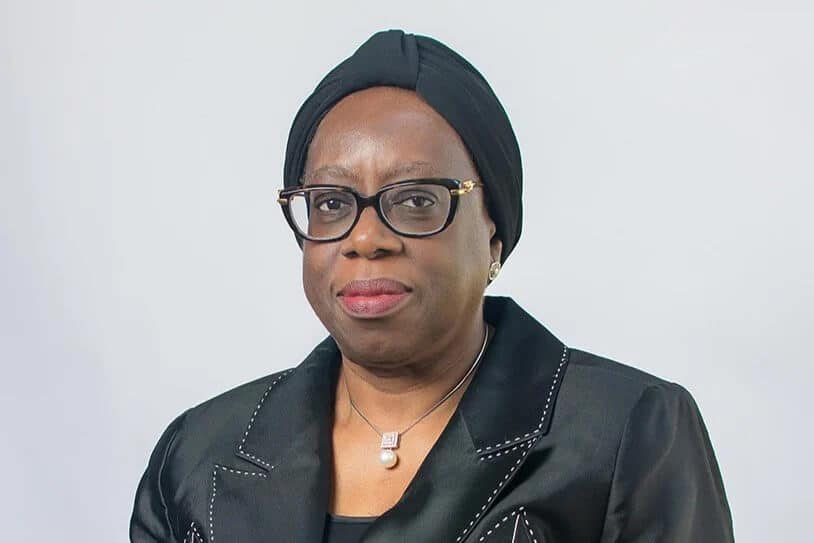
The Chief Justice of Nigeria (CJN), Justice Kudirat Kekere-Ekun, has cautioned judicial officers against conduct that could portray them as instruments of political manipulation.....KINDLY READ THE FULL STORY HERE▶
She gave the warning on Monday in Abuja while speaking at a special court session marking the formal opening of the Federal High Court’s 2025/2026 legal year and the 41st Annual Judges’ Conference. The CJN specifically advised judges to avoid issuing conflicting interim orders, engaging in forum shopping, or abusing ex parte applications, particularly in pre-election matters.
Justice Kekere-Ekun also expressed concern over delays in the justice delivery system, stressing that judges must take greater responsibility for case management and actively steer proceedings to conclusion. She noted that the National Judicial Council (NJC) would continue to reinforce oversight mechanisms to ensure efficiency, discipline, and accountability within the judiciary.
Addressing welfare and security, the CJN reaffirmed the judiciary’s commitment to enhancing working conditions, infrastructure, research support, and the safety of judicial officers. She observed that insecurity undermines judicial confidence, stating that a judge who feels unsafe cannot effectively dispense justice.
She called for renewed institutional discipline, deeper adoption of digital technologies, and an unwavering commitment to integrity in the administration of justice.
While commending the Chief Judge of the Federal High Court, Justice John Tsoho, for his leadership, Justice Kekere-Ekun highlighted the court’s strategic role in Nigeria’s legal framework, noting its jurisdiction over vital national issues including revenue, taxation, immigration, maritime affairs, and intellectual property. She emphasised that the court’s decisions significantly influence national policy and public perception of the rule of law, while acknowledging that public trust in the judiciary remains fragile.
The CJN warned that inefficiency or unpredictability in court processes could erode confidence in even the most well-reasoned judgments. She stressed that punctuality, consistency in court sittings, and transparent communication with litigants and counsel are critical to effective justice delivery.
“Our judgments are our voice, and how we perform our duties determines the authority and credibility of that voice,” she said.
Justice Kekere-Ekun underscored the importance of judicial independence anchored on responsibility, courage, and moral clarity, and commended Federal High Court judges for maintaining professionalism despite increasing pressure and public scrutiny.
On judicial reforms, she described digitisation as an essential institutional priority, advocating the expansion of virtual hearings, e-filing, electronic case tracking, and secure digital record-keeping to improve speed, accountability, and public confidence in the courts.
Earlier, the Chief Judge of the Federal High Court, Justice John Tsoho, reported that the court recorded notable progress in improving service delivery during the last legal year. He disclosed that 161,999 cases were carried over from the 2023/2024 legal year into 2024/2025. Within that period, 19,925 new cases were filed, bringing the total to 181,924 pending cases.
He added that 16,019 cases were disposed of during the period, leaving 165,905 cases pending. Of the cases resolved, 3,113 were civil matters, 5,818 criminal cases, 3,724 motions, and 3,364 fundamental human rights cases.
Justice Tsoho further revealed that, at the end of the legal year, the court still had 44,650 civil cases, 44,078 criminal cases, 46,228 motions, and 30,949 fundamental rights enforcement applications awaiting determination.


Sh*ck Move: Kano Governor Orders All Political Appointees To Join APC

BREAKING: Nigerian Injured In Devastating Qatar Gas Explosion, FG Confirms

Full List: World Cup Round Of 32 Confirmed After Dramatic Group-Stage Finale

Sh*ck In Adamawa As Agriculture Commissioner D!es In Abuja

BREAKING: Latest Dollar To Naira Exchange Rate For June 28, 2026 Revealed

History in Edo: Okpebholo Nominates Enugu-born Martin Oli as Commissioner

Momoh Receives National Youth Group, Reaffirms Commitment to Youth Empowerment and Regional Development

Sh*cking Police Shake-Up As Oyigbo DPO Is Removed Over ₦500,000 Bribery Allegation

Dollar To Naira Sh*ck: Fresh Exchange Rate Revealed For June 21, 2026
