
Latest
Despite FG Intervention, Cooking Gas Prices Refuse To Come Down

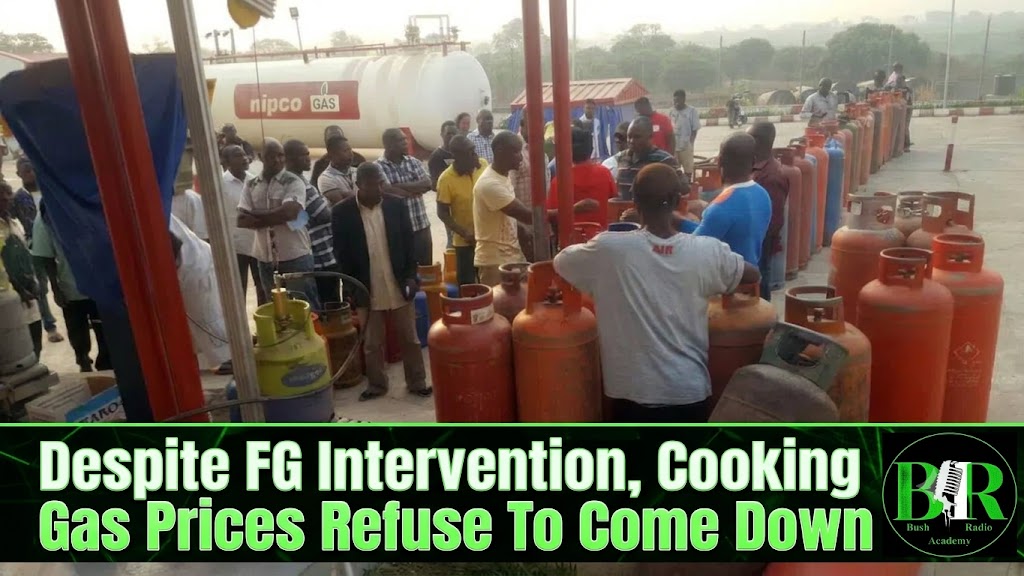
Nearly two weeks after the Federal Government stepped in to address the cooking gas supply crisis, marketers say prices remain significantly above normal levels despite noticeable improvements in product availability.
Consumers across the country are still paying between ₦1,300 and ₦1,650 per kilogramme of liquefied petroleum gas (LPG), even though supply has improved following an emergency stakeholders’ meeting convened by the Minister of State for Petroleum Resources (Gas), Ekperikpe Ekpo, in Abuja on June 22.
The meeting was called in response to severe supply shortages and soaring retail prices that disrupted the LPG market nationwide.
Before the supply crisis began in May, cooking gas sold for less than ₦1,000 per kilogramme in many parts of the country. However, the scarcity pushed prices as high as ₦2,500 per kilogramme in some locations by June.
Speaking with The PUNCH, the National President of the Nigerian Association of Liquefied Petroleum Gas Marketers, Edu Inyang, said the government’s intervention had helped restore stability to the market but had yet to deliver meaningful price relief for consumers.
According to him, the Abuja meeting reduced panic within the industry and improved supply levels, but retail prices have remained stubbornly high.
“The intervention has brought some stability to the market and improved product availability, but consumers are yet to benefit from significant price reductions,” Inyang said.
He noted that cooking gas currently sells for between ₦1,100 and ₦1,350 per kilogramme in Lagos, Ibadan and Abeokuta. In Benin City, Port Harcourt and Warri, prices range from ₦1,150 to ₦1,400, while residents of Onitsha and Enugu pay between ₦1,200 and ₦1,450 per kilogramme.
In Abuja, prices hover between ₦1,250 and ₦1,500 per kilogramme, while consumers in Kano and Kaduna pay between ₦1,300 and ₦1,550. Maiduguri and parts of the North-East continue to record the highest prices, ranging from ₦1,350 to ₦1,650 per kilogramme.
Supply Improves, Prices Stay Elevated
Inyang explained that the emergency meeting became necessary after sharp increases in terminal prices drove retail rates to between ₦1,800 and ₦2,500 per kilogramme in several cities.
He blamed the surge on supply shortages, rising depot and import costs, higher transportation expenses, panic buying and speculative stockpiling by some market operators.
According to him, the situation threatened the Federal Government’s Decade of Gas initiative, as many households abandoned LPG in favour of cheaper alternatives such as firewood and charcoal.
One of the major gains from the government intervention, he said, was a significant improvement in nationwide supply.
National LPG supply sufficiency increased from about 11 days to 22 days, while average daily supply rose from approximately 4,262 metric tonnes in May to over 5,000 metric tonnes in June.
He added that most filling plants now have access to supplies, panic buying has eased considerably, and depot prices have become more stable than they were before the intervention.
Despite these improvements, Inyang said retail prices remain high because key cost drivers have not changed.
He identified high international LPG prices, foreign exchange pressures, rising transportation costs, inadequate domestic production and weak market competition as the major factors preventing a significant drop in prices.
Households Still Feeling the Pressure
According to the marketers’ association, many Nigerian households continue to ration their cooking gas consumption or switch back to cheaper fuels due to high prices.
While describing the Abuja stakeholders’ meeting as a successful first step, Inyang stressed that it did not resolve the structural challenges affecting the LPG market.
He said the meeting restored confidence within the supply chain, strengthened collaboration between government and industry players, and prevented a deeper supply crisis that could have pushed prices even higher.
However, he noted that issues such as inadequate local production, poor infrastructure, distribution bottlenecks, foreign exchange exposure and pricing distortions remain unresolved.
Looking ahead, Inyang expressed optimism that sustained implementation of the resolutions reached at the Abuja meeting could gradually improve affordability by ensuring stable supplies and moderating retail prices.
He warned, however, that the market could experience another round of volatility if domestic supply fails to increase or if the agreed reforms are not fully implemented.
According to him, although the government’s intervention has restored stability and eased fears of widespread shortages, meaningful success will only be achieved when cooking gas becomes affordable again for millions of Nigerian households.


EFCC Cracks Down On Alleged ₦13.6m Fraud As Man Faces Charges In Ibadan

BREAKING: Gusau Resigns As NFF President Amid DSS Probe

Controversy Deepens As NHRC Moves Against Kuje Chairman Over Alleged ‘Join APC Or Leave’ Statement

Falana Tackles NBA Over VeryDarkMan Invitation, Says Past Conferences Were Not ‘Circus Shows

2027: Malami Issues Emotional Appeal As Political Tensions Rise – ‘We Will Grieve Together

2027: Full List Of Presidential Candidates, Parties That Signed Peace Accord

Jonathan Raises Alarm Over Govs’ Interference In Off-Cycle Elections: ‘This Must Be Stopped

I Accept The Verdict’ — Oyebamiji Finally Speaks After Losing Osun Governorship Race To Adeleke

WHY OKPEBHOLO KNOWS WHAT HE IS SAYING ABOUT TINUBU’S 2.5 MILLION VOTES
