
history
REWIND: Obasanjo And The Role He Played In The Odi Massacre

REWIND: Obasanjo And The Role He Played In The Odi Massacre
Written By Oshiobugie Omo-Ikirodah
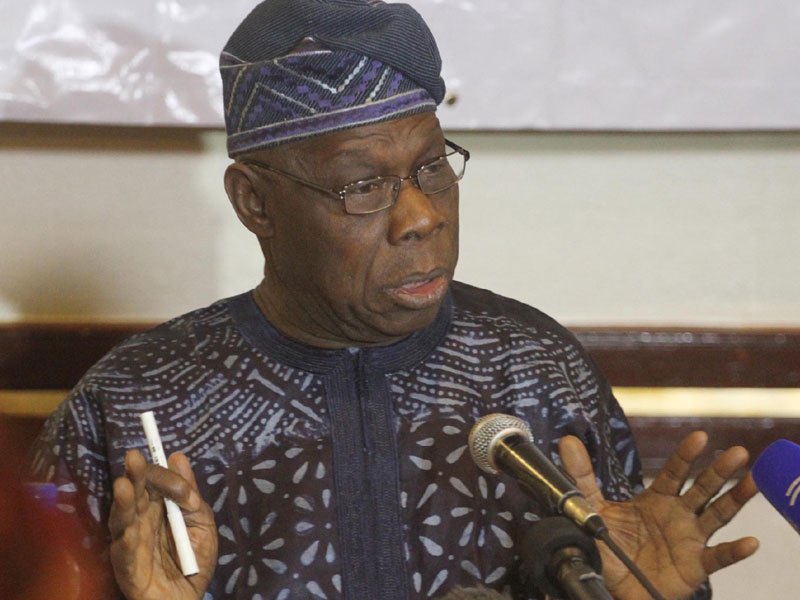
Former President Olusegun Obasanjo played a significant role in the Odi Massacre as he was the President of Nigeria at the time of the incident. Following the killing of 12 policemen by militants from the Odi community, President Obasanjo ordered a military invasion of Odi. CONTINUE READING
RELATED STORIES:
- “Who Sent The Military Troops To Odi, Who Killed DEM MAMA???”- Nigerian Singer, Timaya Shades Peter Obi’s Mentor, Obasanjo, Obidients – BushRadio (bushradiogist.com)
- The Perfect Union: Grace, Resilience, And Constructive Engagement In Tinubu’s Journey To The Presidency – BushRadio (bushradiogist.com)
As the commander-in-chief of the Nigerian armed forces, President Obasanjo had the authority to deploy military personnel and make decisions regarding military operations. In the case of Odi, he authorized military intervention with the objective of apprehending the perpetrators and restoring order in the town.
However, the operation resulted in widespread destruction and loss of civilian lives. The town was heavily bombarded, leading to the destruction of numerous buildings and infrastructure. There are varying estimates of the civilian casualties, ranging from several dozen to several hundred.
President Obasanjo’s decision to order the military invasion and the subsequent level of force used by the military sparked significant controversy and criticism. Many questioned the proportionality of the response and raised concerns about the impact on innocent civilians. The Odi Massacre became a subject of national and international scrutiny, with human rights organizations and activists condemning the excessive use of force and advocating for accountability.
It is worth noting that different perspectives exist regarding President Obasanjo’s role in the Odi Massacre. Some argue that he acted within his mandate to address the security situation, while others criticize his handling of the operation and the resulting civilian casualties. The incident continues to be a contentious topic in discussions surrounding human rights, military interventions, and the use of force in Nigeria.


Jonathan Raises Alarm Over Govs’ Interference In Off-Cycle Elections: ‘This Must Be Stopped

They Cry Manipulation Whenever They Lose’ — Wike Reacts To Osun Election Fallout

How ADC Helped Adeleke Defeat APC In Osun — Abdullahi Reveals Behind-The-Scenes Details

Imagine If The Result Was Otherwise’ — Davido Reacts To Adeleke’s Osun Victory

2027: Full List Of Presidential Candidates, Parties That Signed Peace Accord

OKPEBHOLO DECLARES WAR ON REVENUE LEAKAGES, SECRET ACCOUNTS AND ILLEGAL TAX COLLECTION IN EDO

2Baba Makes Bold Move Amid Growing Tension In Marriage To Natasha

BREAKING: US Ends Temporary Protection For 12 Countries — See Full List

Peter Obi Can’t Be President” — Dino Melaye Reveals His Reason!
