
Latest
Dangote Makes Stunning Revelation: I Bought My First Private Jet At 22-And-A-Half

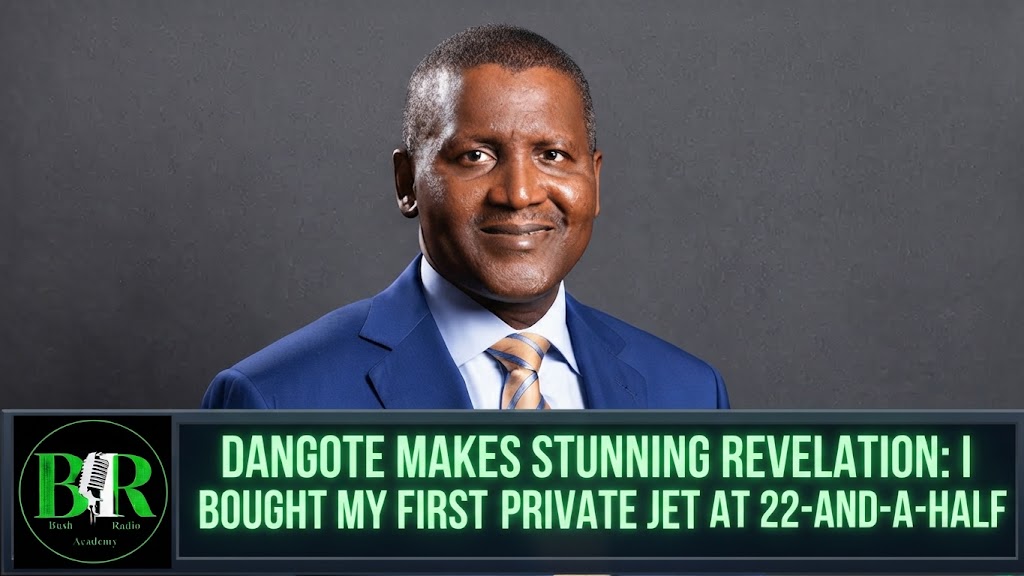
Africa’s richest man and business mogul, Aliko Dangote, has revealed that he bought his first private jet at the age of 22 and a half, while urging wealthy Nigerians to channel more resources into productive investments such as factories.
According to Bush Radio Academy, Dangote made the remarks on Monday while speaking at the official opening of the Initial Public Offering for Dangote Refinery.
The billionaire businessman explained that despite owning a private jet at a relatively young age, he is no longer particularly concerned about the luxury associated with private aviation. He said he currently travels using either private or commercial aircraft.
Dangote used the occasion to encourage individuals who own expensive private jets, particularly aircraft valued at between $90 million and $100 million, to consider investing some of their wealth in businesses and manufacturing ventures that can contribute to economic growth.
He stressed that Nigeria would struggle to achieve significant national development without increased productivity and investment in productive sectors of the economy.
Recalling an experience in Abuja, Dangote said he spent about 30 minutes searching for a parking space and was left wishing that the area was occupied by factories rather than private jets.
“I had my first private jet at 22 and a half years old. I try as much as possible to encourage those who are riding 90, 100 million dollar aircraft to please go and put that into production. We are not going to be a great nation without doing something productive,” he said.
Dangote added that his experience finding parking in Abuja reinforced his view that more emphasis should be placed on industrial development and job-creating investments.
“It took me 30 minutes to find a parking space in Abuja, and I said I wish the place was full of factories, not private jets,” he added.
His comments have drawn attention to the need for greater investment in manufacturing and other productive sectors as Nigeria continues to seek stronger economic growth and increased domestic production.


Obasanjo Reminds South Africa Of Nigeria’s Crucial Role In Ending Apartheid

Drama As Warri Pikin Breaks Silence After Viral Moment With Timaya On Stage

Dangote Makes Stunning Revelation: I Bought My First Private Jet At 22-And-A-Half

Study In UK For Free FG Announces 2027 Commonwealth Master’s, PhD Scholarship Application

13 Years Together! Lady Makes Shocking Revelation About Husband’s Unusual Swallow-Eating Habit

THE 18,439-VOTE MISSION WHY WADADA COULD BE TINUBU’S NASARAWA GAME CHANGER

Fake Miracle Exposed! Nollywood Actor Reveals How He Was Paid To Stage One

KWARA IS NOT RIVERS—BUT INJUSTICE HAS NO STATE OF ORIGIN

Marriage Advice Sparks Debate As Lady Reveals Lie Women Should Tell Men
