
Politics
The Niger Delta Struggles And Abubakar Momoh’s Concerted Efforts To Change the Narrative

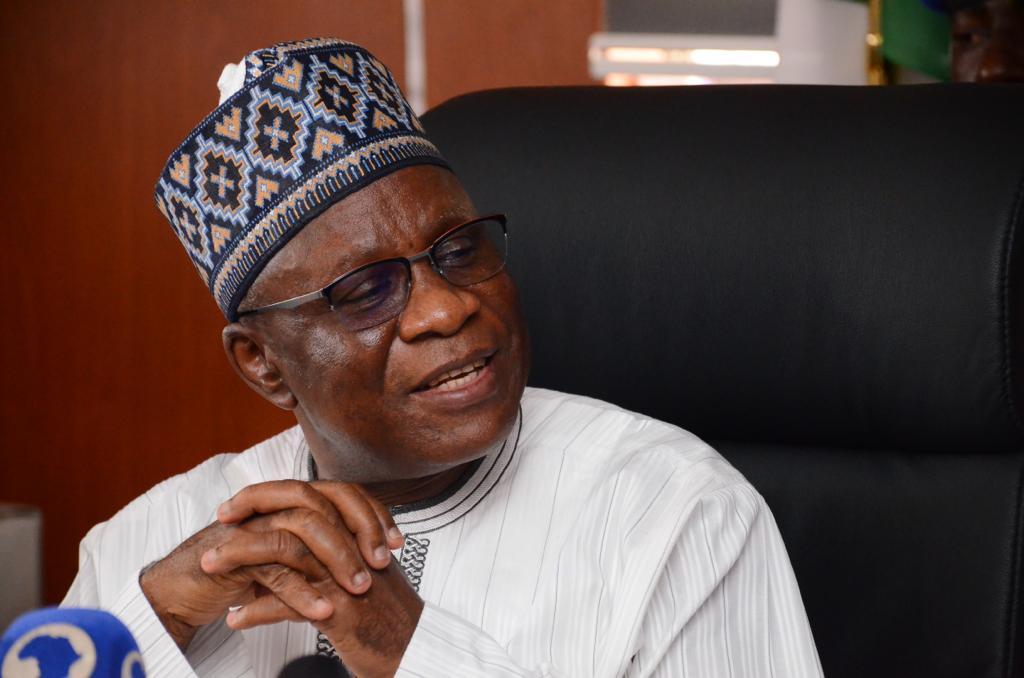
The Niger Delta Struggles And Abubakar Momoh’s Concerted Efforts To Change the Narrative....KINDLY READ THE FULL STORY HERE▶
Highlighting the issues faced by the Niger Delta Region goes beyond stating the obvious challenges of resource control, environmental hazards, and infrastructural neglect. The narrative is entrenched in a cycle of hardships that extends beyond mere resource extraction problems, directly impacting the daily lives of the communities residing in this ecologically crucial area…CONTINUE READING.
For the everyday person on the streets of the Niger Delta, this means enduring a relentless struggle exacerbated by a lack of attention to their fundamental needs. The consistent marginalization has not only hindered the region’s ability to benefit from its own resources but has also left the people grappling with environmental adversities that affect their homes and livelihoods.
As the Niger Delta Development Ministry, under the dedicated leadership of Honourable Minister Abubakar Momoh FNSE, charts a course toward transformative change, the region stands at the threshold of a new era.
Osigwe Omo-Ikirodah is a Special Assistant to the Minister Of Niger Delta Development Ministry.


Court Strips Achimugu Of ₦4.6bn Luxury Fleet, Priceless Jewellery In Asset Forfeiture Ruling

Drama In Senate As Fasina Secures Ambassadorial Confirmation Amid Protests

Fresh Twist! Gbajabiamila Slams Adeyemi With ₦15bn Lawsuit Over PFIPC Allegations

Full List: Davido Tops AFRIMMA 2026 Nominations, Leaves Burna Boy, Tyla Chasing

Breaking: Appeal Court Gives INEC Green Light For 2027 Election Timetable

Mystery Deepens: New Details Surface In Mary Habila Death Investigation

Edo Governor Makes Major Shake-Up, Approves 20 Fresh Appointments

BREAKING: Petrol Price Could Crash Below ₦800 As FG, Marketers Reach Key Understanding

Fresh War Of Words: Oshiomhole Blasts Makinde Over Demand For UN Investigation
