
Latest
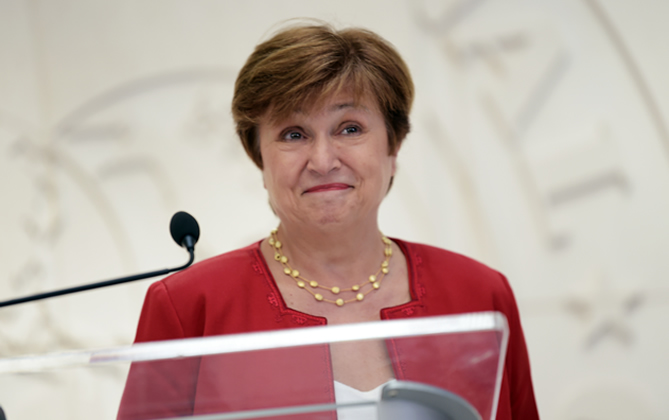
IMF Report Highlights Growing Economic Crisis In Nigeria

IMF Report Highlights Growing Economic Crisis In Nigeria
The International Monetary Fund (IMF) has highlighted the exacerbation of Nigeria’s ongoing cost-of-living crisis due to stalled per-capita growth, heightened poverty levels, and increased food insecurity. The report, titled ‘IMF Executive Board Concludes Post Financing Assessment with Nigeria,’ pointed to escalating inflation, exchange crises, weak economic growth, and business closures as contributing factors………CONTINUE READING
READ ALSO:https://bushradiogist.com/police-nab-three-fleeing-robbers-who-crashed-into-traders-in-rivers-state/
The IMF report emphasized that low revenue collection has hindered the provision of essential services and public investment in the country. It noted that in October, year-on-year headline inflation reached 27 percent, with food inflation at 32 percent. This was attributed to the effects of fuel subsidy removal, exchange rate depreciation, and poor agricultural production.
The challenging external environment, coupled with domestic challenges, including low reserves and limited fiscal space, constrains the authorities’ options. The report acknowledged Nigeria’s focus on restoring macroeconomic stability and creating conditions for sustained, high, and inclusive growth, considering the difficult circumstances.
Despite Nigeria’s economic difficulties, the IMF expressed confidence in the country’s capacity to repay its obligations to the fund. The Executive Board of the IMF concluded the Post Financing Assessment on January 12, 2024, endorsing the Staff Appraisal on a lapse-of-time basis.
The report commended the new administration for addressing deep-rooted structural issues promptly, particularly through the adoption of fuel subsidy removal and the unification of official exchange rates. The Central Bank of Nigeria’s commitment to price stability and the government’s ambitious domestic revenue mobilization agenda were also acknowledged.
Nigeria’s current debt to the IMF stands at $2.8 billion, with the federal government planning to allocate approximately N8.2 trillion for debt servicing in the 2024 budget. However, concerns have been raised about the rising debt service costs, with PricewaterhouseCoopers warning that it could impact the country’s debt servicing ability, credit rating outlook, and borrowing costs. The report suggested that debt service could increase from N8.25 trillion in 2024 to N9.3 trillion in 2025 and further to N11.1 trillion in 2026, emphasizing the need for careful management of the country’s fiscal policies.
For more information join our WhatsApp group by clicking the link here: WhatsApp Group Invite
For inquiries only, contact us at omoikirodahoshiobugie@gmail.com, 08075806790 (WhatsApp only). For paid articles covering content related to shows, music promotion, asylum letters, concerts, politics, advertisement hit up the Whatsapp number 08075806790.
Source: Bushradiogist


Floods, Heat, Drought: Nigerian Farmers Reveal How Climate Change Is Wrecking Their Harvests

Battle For Supremacy! Davido, Wizkid, Burna Boy Lead Star-Studded 2026 Headies Nominations

Political Storm In Kuje As Chairman Allegedly Warns Residents To Back APC or Leave

Tiwa Savage Raises Alarm With Viral Warning: “Whenever You Hear This, Run”

Fola, Shoday, Mavo, Fido, Llona Make Headies Next Rated Shortlist

BREAKING: US Ends Temporary Protection For 12 Countries — See Full List

2027: Full List Of Presidential Candidates, Parties That Signed Peace Accord

Jonathan Raises Alarm Over Govs’ Interference In Off-Cycle Elections: ‘This Must Be Stopped

I Accept The Verdict’ — Oyebamiji Finally Speaks After Losing Osun Governorship Race To Adeleke
