During the holy month of Ramadan, Muslims across the globe observe the fast, refraining from food and drinks from dawn till dusk. This fasting period, known as Roza, begins after devotees partake in sehri before sunrise and concludes with iftar after sunset. Iftar, the meal that breaks the fast, traditionally commences with the consumption of dates, known as Khajoor. The preference for dates holds both religious and scientific significance…READ ALSOBashir Ahmad Asserts: Hisbah Police Cannot Arrest Non-Muslims For Public Eating In Ramadan
In Islamic tradition, initiating the fast-breaking with dates is considered Sunnah, following the teachings of Prophet Muhammad (peace be upon him). It is believed that dates were the preferred dried fruit of the Prophet, and he regularly broke his fast with them. Emulating his actions is regarded as a virtuous practice, leading Muslims to prioritize dates for iftar before consuming other foods.
Dr. Rajkumar Prasad, a physician from Gaya, Bihar, elaborates on the health benefits of breaking the fast with dates. Prolonged fasting during Roza may result in acidity, as abstaining from food may prompt some individuals to quickly consume high-calorie foods, exacerbating digestive issues. Dates offer a solution by increasing bile juice levels, promoting stomach lining health, and preventing acidity and indigestion. Additionally, the high water content of dates aids in hydration, which is crucial after a day without water.
 Follow us on Google News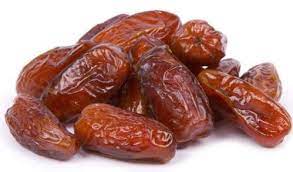








Comments
0 comments