
Latest
Ex-minister Points Finger At Jonathan And Buhari Over Oronsaye Report

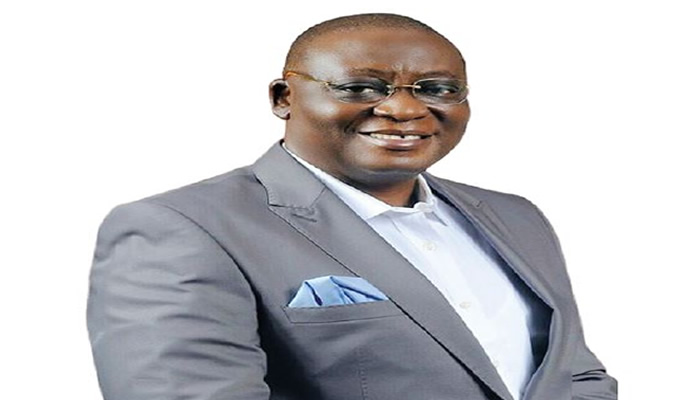
Ex-minister Points Finger At Jonathan And Buhari Over Oronsaye Report....KINDLY READ THE FULL STORY HERE▶
The question of subsidy removal has become a critical topic in Nigeria, prompting discussions about its importance in the face of economic challenges. The historical context reveals that successive governments’ reluctance to address this issue has contributed to the current economic predicament. Subsidizing fuel prices places a significant burden on Nigeria’s economy, a burden inherited from President Bola Tinubu’s administration, resulting in the subsequent rise in food prices and other commodities. However, the decision to remove the subsidy is seen as a necessary step towards alleviating this strain on the nation’s financial resources.
The impracticality of sustaining fuel subsidies becomes apparent when considering the rampant smuggling of petroleum products across borders due to significant price disparities. The unsustainable nature of this practice, coupled with the financial strain on the Nigerian National Petroleum Corporation (NNPC) and the Federal Government, made subsidy removal an imperative measure. Despite the initial challenges, efforts are underway to navigate the consequences and ensure a better quality of life for Nigerians.
Economic revival is a priority, with Governor Chukwuma Soludo likening Nigeria’s economy, before Tinubu’s intervention, to a dead horse propped up without vitality. The reliance on unearned money in Ways and Means is fueling inflation, a practice uncommon in the global arena. The removal of fuel subsidies, while causing an increase in the dollar exchange rate, is expected to contribute to long-term economic improvement. Patience is urged as the government’s policies take time to yield tangible results, akin to nurturing a seed into a thriving plant.
Addressing concerns about persistent price hikes, the interviewee suggests that the current inflation is artificially induced and will subside. Proposals include embracing Compressed Natural Gas for transportation, particularly for goods-carrying vehicles, leading to a significant reduction in transportation costs. Furthermore, encouraging local production of goods currently imported would counterbalance the escalating prices of imported items, promoting affordability and self-sufficiency.
However, criticisms have emerged regarding the lack of accountability and an ineffective feedback mechanism in the government’s interventions. Short-term measures, while providing immediate relief, require a more robust strategy to ensure maximum impact. The interviewee emphasizes the need for transparency, accountability, and effective feedback channels to enhance the efficiency of intervention programs.
Regarding accusations that President Bola Tinubu’s administration has not favored the South-West, the interviewee challenges the prevailing narrative by questioning the basis for such claims. They call for a closer examination of statistics from the previous eight years to evaluate whether the South-West has genuinely benefited or if these assertions lack empirical support.
For more information join our WhatsApp group by clicking the link here: WhatsApp Group Invite
For inquiries only, contact us at omoikirodahoshiobugie@gmail.com, 08075806790 (WhatsApp only). For paid articles covering content related to shows, music promotion, asylum letters, concerts, politics, advertisement hit up the Whatsapp number 08075806790.
Source: Bushradiogist


I’m Almost 30 And Still Waiting For Lee Min Ho” — Mummy Wa Sparks Reactions

We No Go Gree: Frustrated Nigerians Demand Urgent Evacuation From South Africa (Video)

Tension Rises As Correctional Service Moves Sowore To Kuje Facility

Fresh Twist In 2027 Politics: PRP Rejects Kwankwaso Link, Sets Record Straight

14-Year-Old’s Death Sparks Fresh Controversy As Adeleke Accuses Police Of Protecting APC Thugs

Family Speaks: How General Abubakar Died, Reveals Wife Still In Bandits’ Captivity

Etinosa Reacts To Viral Concerns About Her Neck Size, Says She Is Healthy

Fresh Twist In Senate Crisis As Kingibe Speaks On Her Role In Natasha’s Suspension

Sh*ck And Outrage As Retired Generals React To Death If Gen. Abubakar In Bandit Camp
