
Latest
FCT Billboard Fee Drama: Wike Reveals Truth Behind ₦750 Million Campaign Permit Claim

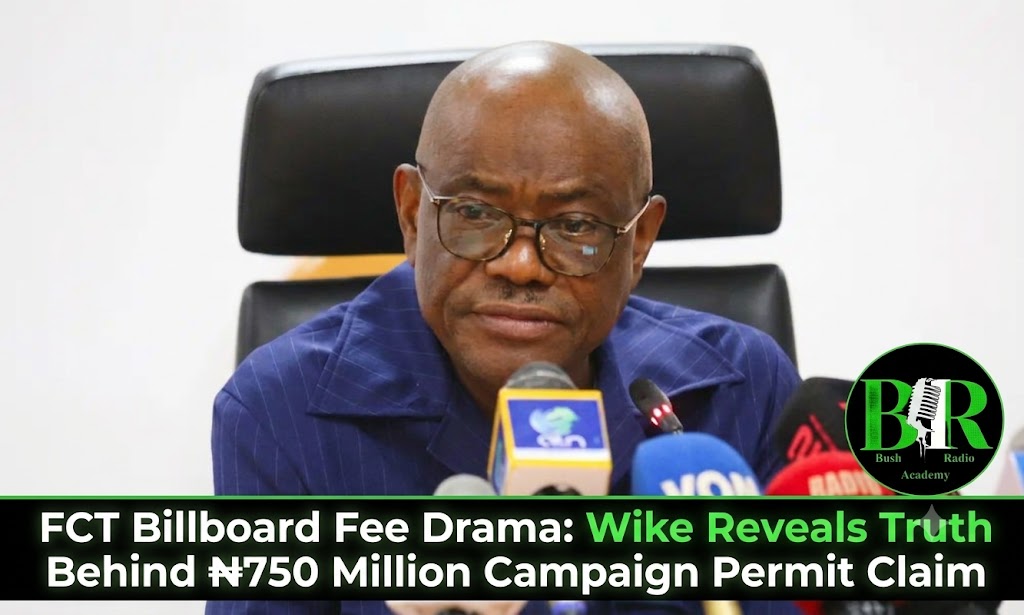
The Minister of the Federal Capital Territory (FCT), Nyesom Wike, has denied reports claiming he approved a ₦750 million permit fee for the erection of presidential campaign billboards ahead of the 2027 general election in Abuja.
The clarification follows widespread reports and social media posts alleging that the FCT Administration had introduced the fee as a requirement for presidential campaign organisations seeking to display billboards across the nation’s capital.
According to the claims, any presidential campaign team intending to erect billboards in Abuja would be required to pay ₦750 million to obtain the necessary approval from the relevant FCT authorities.
The reports also alleged that political parties, candidates or campaign organisations that installed campaign billboards without official authorisation would face a ₦5 million penalty.
Reacting to the claims, Wike’s Senior Special Assistant on Public Communications and Social Media, Lere Olayinka, dismissed the reports, insisting that no such approval had been granted by the minister.
Speaking in an interview with TheCable, Olayinka described the story as political propaganda designed to mislead the public ahead of the 2027 elections.
“If the FCT Minister had approved such a policy, wouldn’t there have been an official press statement?” he asked.
He added that false claims of that nature are common during election periods because many people do not take time to verify information before sharing it.
Meanwhile, Wike has blamed some close associates of Rivers State Governor Siminalayi Fubara for worsening the prolonged political crisis in the state.
Speaking during a media chat in Port Harcourt on Saturday, the FCT minister identified former Speaker of the Rivers State House of Assembly, Edison Ehie, Chijioke Ihunwo, Victor Oko Jumbo and activist Ankio Briggs as individuals whose advice he believes influenced the governor’s decisions during the dispute.
According to Wike, the group played a significant role in shaping Fubara’s actions even after President Bola Tinubu brokered a peace agreement aimed at resolving the crisis.
He alleged that their counsel caused the governor to abandon commitments made during the reconciliation process.
Wike maintained that Fubara ultimately suffered the most from the political conflict, saying he sympathised with the governor over the challenges he endured throughout the crisis.


Transfer Bombshell: Galatasaray Reject Arsenal’s Osimhen Swap Offer

Cooking Gas Price Update: See What Nigerians Are Paying Across All Regions

Fresh Twist In Obasanjo-Atiku Feud As Paul Ibe Makes Bold Declaration

How Many More Christians Must Be Buried?” — Dachomo Laments Fresh Kaduna Killings

Political Shake-Up: APC Members Dump Party, Receive Warm Welcome From Kwankwaso In Kano

Fear Grips Kidnappers, Bandits as Okpebholo Deploys 497 Forest Guards Across Edo

Aliko Dangote’s Daughter Reveals Sh*cking Condition In Billionaire’s Will

Aisha Yesufu Unleashes Scathing Reaction To Peter Obi’s Channels TV Interview

I’ve Never Seen ₦1 Billion In My Life” — Ndume Speaks On Ransom Allegations
