
Federal Government Implements Nationwide Ban On Sale Of Alcoholic Beverages In Small Sachets
 Follow us on Google News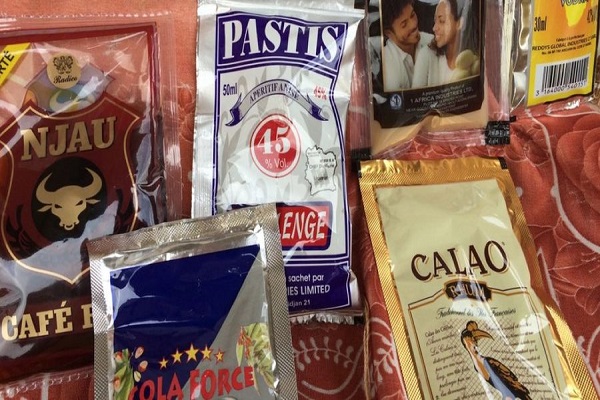
Federal Government Implements Nationwide Ban On Sale Of Alcoholic Beverages In Small Sachets
The National Agency for Food and Drug Administration and Control (NAFDAC) has officially prohibited the production and sale of alcoholic beverages in sachets containing less than 200ml. The director-general of NAFDAC, Prof Mojisola Adeyeye, announced this decision to the press, revealing that the five-year grace period granted to manufacturers for discontinuing the production of such drinks in sachets and pet bottles, which commenced in 2028, concluded on January 31, 2024. Enforcement of the ban was initiated on February 1, 2024………CONTINUE READING
READ ALSO:https://bushradiogist.com/cardoso-raises-concerns-over-excessive-crowding-at-cbn-headquarters/
Adeyeye emphasized that the ban was implemented due to the adverse effects on underage children. The pocket-friendly sizes of these drinks, being easily accessible and affordable, led to children being enticed by the packaging, ultimately exposing them to potential consequences in the future.
The decision to ban these small-sized alcoholic beverages was based on the recommendations of a high-powered committee comprising the Federal Ministry of Health, NAFDAC, the Federal Competition and Consumer Protection Commission (FCCPC), and industry representatives such as the Association of Food, Beverages and Tobacco Employers (AFBTE) and the Distillers and Blenders Association of Nigeria (DIBAN). This decision was reached in December 2018, and producers committed to reducing production by 5 percent from January 31, 2022, with a complete phase-out in the country by January 31, 2024.
Adeyeye stressed that the welfare of the nation takes precedence over other considerations in enforcing this policy. She pointed out that the most at-risk groups for the negative effects of consuming these banned alcoholic beverages are underage individuals and commercial vehicle drivers and riders.
Citing the World Health Organization’s findings, Adeyeye highlighted the risks associated with alcohol consumption among children, including drug use, poor academic performance, injuries, risky behavior, decision-making problems, and various health issues. Harmful alcohol consumption is linked to over 200 health conditions, including infectious diseases and non-communicable conditions. To address this, the World Health Organization recommends effective and cost-efficient measures such as regulating alcohol marketing, especially to younger individuals, and restricting alcohol availability.
During the enforcement process, it was discovered that some manufacturers continued to produce the banned products and possessed significant quantities of finished products and packaging materials. NAFDAC considers this a serious violation of Nigerian laws and intends to use all available legal means, including prosecution, to address the matter.
Adeyeye reiterated that the decision to ban these alcoholic beverages in small sizes is irreversible. She called on holders of such products and their packaging materials to report to the Investigation and Enforcement Directorate of NAFDAC for hand-over and destruction to avoid stricter measures, including prosecution. NAFDAC remains committed to strict implementation of regulations to safeguard the health of Nigerians, especially vulnerable youth, against the dangers of irresponsible alcohol consumption.
For more information join our WhatsApp group by clicking the link here: WhatsApp Group Invite
For contributions and inquiries only, contact us at omoikirodahoshiobugie@gmail.com, 08075806790 (WhatsApp only) Explore a diverse array of paid articles covering content related to shows, asylum letters, concerts, politics, and paid advertising
Source: Bushradiogist


Comments
0 comments