
Freedom Under Fire: Kano State Cracks Down On Live Political Shows
 Follow us on Google News
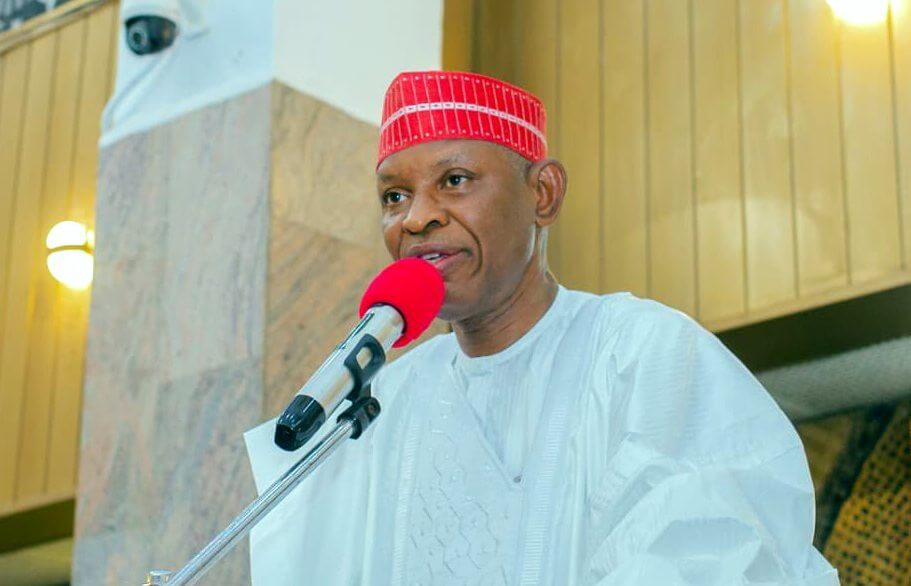
The Kano State Government has rolled out a series of stringent media guidelines aimed at reshaping the landscape of broadcast content across the state. This development was disclosed in an official statement issued by Sani Abba Yola, Director of Special Duties at the Ministry of Information and Internal Affairs.
The new media policies were formulated during a strategic quarterly meeting between ministry officials and media stakeholders. The session was presided over by the Commissioner for Information and Internal Affairs, Comrade Ibrahim Abdullahi Waiya, who justified the initiative as a move to “protect the cultural and moral fabric of Kano.”
According to Waiya, the gathering served as a forum to strengthen ethical journalism, encourage mutual respect, and bolster cooperation between the media and the government. He commended media professionals for their recent strides in minimizing unethical reporting and discouraging inflammatory language on air.
He emphasized that the intention behind the new rules is not to suppress free speech but to ensure that public discourse respects the values and traditions of Kano State. “These guidelines are not meant to silence opinions but to foster responsible communication rooted in our cultural norms,” Waiya stated.
However, certain aspects of the directives have stirred public concern. Critics suggest that the rules could be used to muzzle dissent and suppress opposing political views.
Among the contentious stipulations is a requirement for all radio and television guests to sign a pledge refraining from comments deemed defamatory, abusive, or culturally insensitive. Furthermore, live political broadcasts have been entirely prohibited, and hosts are restricted from asking questions or making gestures that could portray the state negatively.
The government has also launched a public awareness campaign to educate political analysts, broadcasters, and religious leaders on what it terms “responsible communication.”
While officials assert that the objective is to maintain social harmony and uphold moral values, detractors argue that the measures risk undermining press freedom and weakening the media’s critical role as a government watchdog.




Comments
0 comments