
Nigeria’s Maternal Health Crisis: Doctor Calls For Faster Emergency Transfers And Better Access To Care
 Follow us on Google News
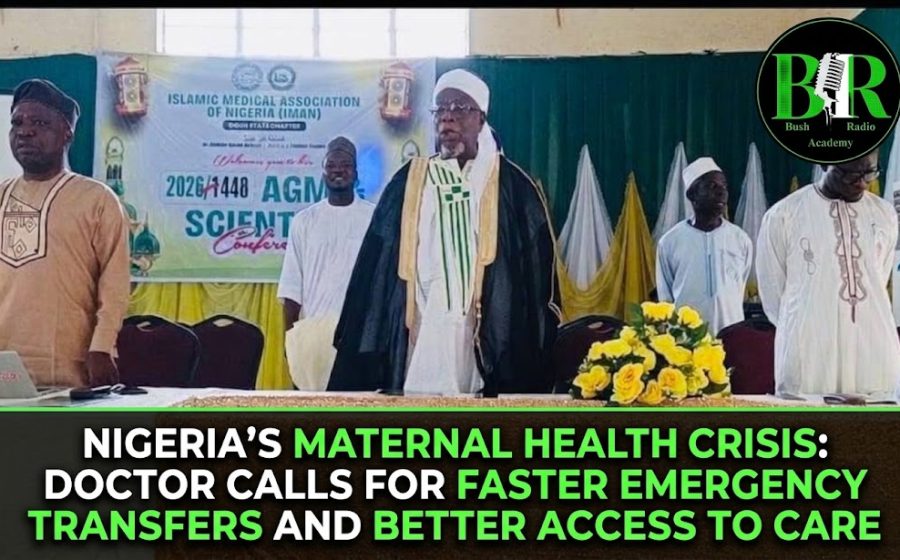
The Chairman of the Medical Advisory Committee at Olabisi Onabanjo University Teaching Hospital (OOUTH), Dr Oluseun Adek, has called for stronger emergency referral systems and improved access to timely medical care to reduce preventable maternal deaths in Nigeria.
According to Bush Radio Academy, Adek made the appeal while delivering a speech at the Annual General Meeting of the Islamic Medical Association of Nigeria (IMAN), Ogun State Chapter, in Abeokuta.
Speaking on the theme, “From Lab to Land: Taking Medical Innovations to Underserved Communities,” the medical expert argued that Nigeria’s healthcare challenges extend beyond a lack of medical knowledge, stressing that existing solutions must be translated into accessible and effective services for ordinary citizens.
He explained that even when tertiary hospitals have qualified specialists, adequate blood supplies, functional operating theatres and essential medicines, these resources may not save patients who cannot reach the facilities in time because of poor transportation, communication and referral arrangements.
Adek illustrated the problem with the case of a pregnant woman in a rural community who develops severe bleeding after childbirth but faces delays in being transported to a hospital capable of providing emergency treatment.
He maintained that preventing avoidable maternal deaths requires functional referral networks, reliable emergency transportation, early identification of complications and prompt access to skilled healthcare professionals.
The OOUTH official also stressed that medical innovation should not be assessed solely by the sophistication of available technology or the volume of published research, but by its measurable impact on patients’ health and quality of life.
He called for improved access to essential medicines and affordable generic drugs, alongside community-based screening programmes for hypertension and diabetes. He also advocated better pain management services for cancer patients.
Addressing Muslim healthcare professionals, Adek encouraged them to use mosques as platforms for health education, routine medical screening and disease prevention. He further recommended the use of mobile technology for appointment reminders, patient follow-ups and emergency coordination, while emphasising the need to protect patients’ confidentiality.
He urged doctors to uphold evidence-based medical practice, nurses to strengthen patient education and safety, pharmacists to promote the responsible use of medicines, and laboratory scientists to ensure accurate diagnoses and prompt communication of critical test results.
Citing Qur’an 4:58, which emphasises the importance of honouring trusts and administering justice, Adek said healthcare professionals must demonstrate integrity, competence, compassion and accountability in their service to patients.
He added that access to treatment should be determined by clinical needs and the urgency of a patient’s condition, rather than financial status, personal connections or social influence.
Meanwhile, the Chairman of IMAN in Ogun State, Dr Ibraheem Opeewe, reaffirmed the association’s commitment to improving healthcare delivery in Nigeria through service provision, collaboration, education, professional training and advocacy.
Opeewe called for increased support to enable the association to expand its outreach programmes and improve access to medical services for underserved communities across Ogun State.






Comments
0 comments