
Latest
Northern Communities Clear Peter Obi Over Mosque Demolition, ID Card Allegations

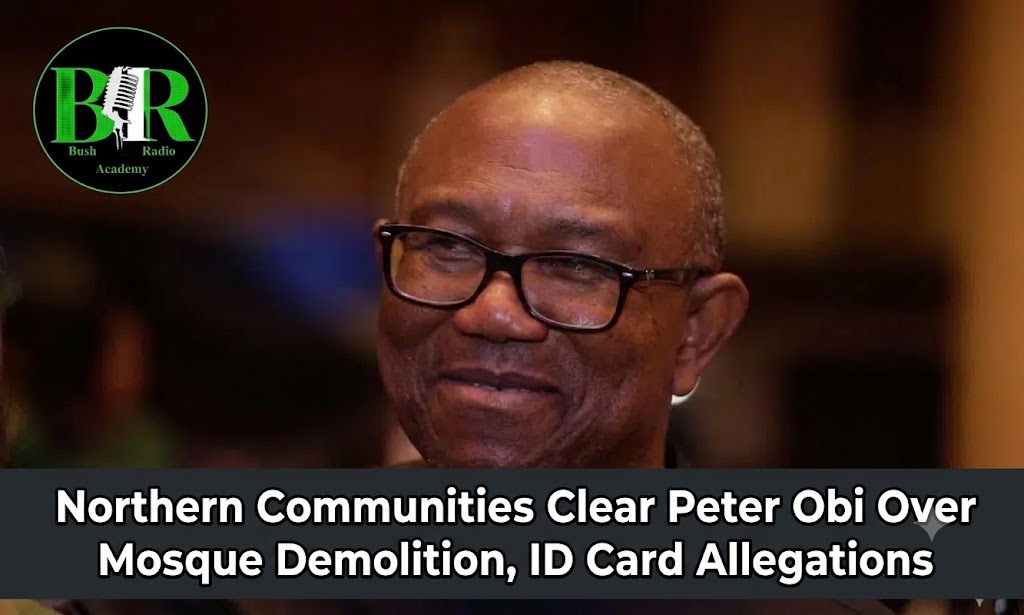
Hausa and northern communities in Anambra State have dismissed allegations that the presidential candidate of the Nigeria Democratic Congress (NDC), Peter Obi, profiled them during his tenure as governor of the state.
The communities also rejected claims that Obi forced northerners living in Anambra to obtain identity cards before they could reside in the state.
Leaders of the Hausa and Northern communities in Awka and Onitsha made the clarification while speaking with journalists on Sunday.
They also dismissed reports that Obi was responsible for the demolition of a mosque belonging to the northern community during his time as governor.
Instead, the leaders said they benefited significantly from policies and programmes introduced by the former governor, including free education and agricultural loans. They also cited the sponsorship of several members of the community to the annual Hajj pilgrimage by Obi’s administration.
The community leaders, including the Secretary of the Hausa Community in Onitsha and Secretary of the Northern Community in Anambra and Delta states, Mahmud Ibrahim; the traditional ruler of the Hausa Community in Awka, Alhaji Garba Haruna; and the Chairman of the Northern Community in Anambra State, Alhaji Gidado Sidikki, described the allegations against Obi as politically motivated.
They said the claims were aimed at damaging the reputation of the former governor.
Ibrahim told journalists that the relationship between the northern community and Obi remained cordial throughout his tenure and continues to be so.
“Our relationship with Mr Peter Obi during his tenure as governor and even now is cordial. We want to say that the rumours that he demolished our mosque while he was governor are untrue.
“The mosque they are making reference to was demolished before Obi became governor in 2006.
“The mosque was demolished during a reprisal on us as a result of the Sharia crisis in February 2006, and Obi became governor in March of the same year. As a matter of fact, it was even Obi that came in then and visited us at the Army Barracks where we were staying as refugees and later escorted us back to the mosque. He also donated money for the rebuilding of the mosque, so we don’t understand what they are saying,” he said.
On the issue of identity cards, Ibrahim explained that the northern community itself had initiated the process of issuing identification cards to its members.
“As for identity cards, I want to say that it was us, the northern community in Anambra State, that came together and decided that we would issue identity cards to all our brothers for identification.
“As for the ANIDS identity card, that one was for everybody, and the governor, his commissioners and everyone in Anambra State had their own, just like myself. I have been the secretary since then, so I know what I’m saying,” he added.
The traditional ruler of the Hausa Community in Awka, Alhaji Garba Haruna, also said there was no discrimination between indigenes and non-indigenes during Obi’s administration.
He said he neither witnessed nor heard of any such discriminatory practice during the former governor’s tenure.
“Our relationship since then and even now remains cordial. My children benefited from the free education, and I want to tell you that I personally benefited from his sponsorship for Hajj.
“Our relationship has remained cordial and even now that he is no longer the governor, he is still relating well with us. He comes here for our functions and sends us gifts during Salah celebrations,” Haruna said.
He added that former governor Chris Ngige, despite no longer holding office or contesting for a position, also maintained a close relationship with the community.
“If there is any past governor that is close to Obi, it is Ngige, who comes here till today, despite not being governor or even vying for any position,” he said.
Also reacting, the Chairman of the Northern Community in Anambra State, Alhaji Gidado Sidikki, said he personally benefited from an agricultural loan provided during Obi’s administration.
According to Sidikki, he received ₦10 million at the time, which he estimated would be worth about ₦100 million in today’s economy.
“The way they gave to me was the way they gave everybody. There was no discrimination, and that was how everyone got. We are surprised that even before he left as governor, he paid back the loan on our behalf.
“My son was also a beneficiary of Peter Obi’s free education, and the boy is in China doing his PhD today.
“I came here 40 years ago, I had my children here, and I have five graduates today, so I cannot say that Anambra is not good to me,” he said.


Rivers Crisis: Abe-Led Panel Opens High-Stakes Talks Between Fubara, Wike Camps

Major Blow To ISWAP As Air Force Bombs Sambisa, Eliminates Commander

Taraba Govt Debunks ₦1.2trn Debt Claim, Reveals Actual Amount Owed

Northern Communities Clear Peter Obi Over Mosque Demolition, ID Card Allegations

VeryDarkMan Retreats From P-Square Feud After Heavy Backlash

Explosive Details Surface As Full List Of Alleged Sylva Coup Fund Beneficiaries Emerges

Allegations Emerge: How Timipre Sylva Was Accused Of Using NDDC, Bank Loans To Fund Failed Coup Plot

2Baba Makes Bold Move Amid Growing Tension In Marriage To Natasha

Tense TV Moment: Orji Kalu Clashes With Seun Okinbaloye During Live Interview
