Politics
Petrol Pricing War Escalates As NNPCL And Marketers Spar Over Subsidy Issues

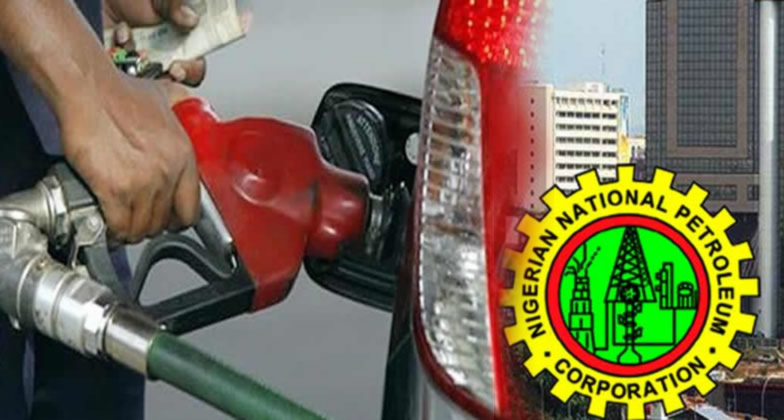
Petrol Pricing War Escalates As NNPCL And Marketers Spar Over Subsidy Issues....KINDLY READ THE FULL STORY HERE▶
The Nigerian National Petroleum Company Limited (NNPCL) and fuel marketers, represented by the Independent Petroleum Marketers Association of Nigeria, found themselves in another dispute over the removal of the subsidy on petrol. This disagreement occurred amidst the depreciation of the naira against the United States dollar in both official and parallel markets…..CONTINUE READING
The official market closed with the naira at 998/dollar, while the black market saw it trading at 1,225/dollar. The fluctuating naira rates prompted economists and oil marketers to argue that the subsidy on Premium Motor Spirit (PMS or petrol) was increasing. However, the NNPC countered these claims, asserting that it was recovering the full cost of importing petrol.
Bismarck Rewane, CEO of Financial Derivatives Company, clarified during a TV program that the fuel subsidy was not completely removed but reduced. Meanwhile, oil marketers contended that the subsidy on petrol was on the rise due to the devaluation of the naira and the cost of crude oil. They suggested that PMS should ideally sell for N1,200/litre in a free market.
Petrol, solely imported by the NNPCL, currently sells for N617 to N660/litre in Nigeria. Dr. Muda Yusuf, CEO of the Centre for the Promotion of Private Enterprise, acknowledged partial subsidy on petrol, attributing it to political, social, and economic reasons.
However, the NNPCL’s Chief Corporate Communications Officer, Olufemi Soneye, dismissed the claims of economists and marketers, reiterating that the Federal Government had indeed removed the subsidy on petrol. This decision, declared by President Bola Tinubu in 2023, led to a significant spike in petrol prices.
Rewane emphasized that the subsidy on petrol was reduced, not eliminated, highlighting the impact on consumers’ income due to increased taxes. Oil marketers projected that in a free market, petrol prices should be around N1,200/litre, considering international factors.
Ukadike Chinedu, National Public Relations Officer of the Independent Petroleum Marketers Association of Nigeria, argued for the pragmatic consideration of petrol costs, suggesting that the government was implementing a quasi-subsidy by retaining a portion of it.
Despite projections of potential price reductions when local refineries become operational, social, economic, and political considerations led the government to maintain partial subsidies. The World Bank maintained that subsidy on petrol persisted, asserting that the cost should not be less than N750/litre without subsidies.
The article also touched upon the depreciation of the naira against the US dollar, concerns about its trajectory in 2024, and the recorded cases of crude oil theft in the Niger Delta region. The NNPC reported 112 cases of oil theft and the discovery of illegal refineries and connections in various locations. The ongoing battle against crude oil theft remains a challenge for Nigeria, impacting its ability to meet production quotas set by the Organization of the Petroleum Exporting Countries (OPEC).
For more information join our whatsapp group by clicking the link here: WhatsApp Group Invite


Doctor Who Evaluated Nnamdi Kanu Reportedly Arrested, Raises Fresh Questions

Former Benue SSG Dies In Suspected Bandit Attack as Fresh Details Surface

Where Is Stanley Ugagbe?” — NUJ Demands Immediate Release Of Missing Journalist

Diplomatic Tension As South Africa Dismisses Compensation Request For Repatriated Nigerians

African Football Giants Set For Host Battle As CAF Opens AFCON 2028, 2032, 2036 Bids

FG Names Gbajabiamila, 10 Others As Key Witnesses In Controversial Presidential Agency Case

History in Edo: Okpebholo Nominates Enugu-born Martin Oli as Commissioner

Momoh Receives National Youth Group, Reaffirms Commitment to Youth Empowerment and Regional Development

If The Agency Doesn’t Exist, Why Was I Meeting Its Heads?” Adeniyi Adeyemi Challenges Presidency