
Politics
The Benefits Of Floating The Naira: A Perspective By Oshiobugie Omo-Ikirodah

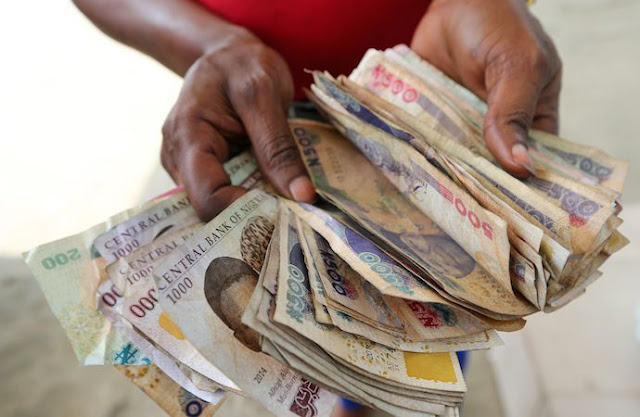
The Benefits Of Floating The Naira: A Perspective By Oshiobugie Omo-Ikirodah....KINDLY READ THE FULL STORY HERE▶
Written By Oshiobugie Omo-Ikirodah
In this article, we will explore the advantages of floating the Nigerian currency, the naira, as a viable economic policy. While this may seem like a controversial topic, it is important to evaluate the potential benefits that can be derived from such a move. By allowing the naira to freely fluctuate in value against other currencies, we can create a more dynamic and resilient economy. Let us delve into the advantages of embracing a floating exchange rate for the Nigerian naira. CONTINUE READING
RELATED STORIES:
- VIDEO: “Pastors At RCCG Church Are Planning To K*ll Daddy Adeboye Same Way They Did His Son”- Prophetess With 99% Prophecy Accuracy Reveals – BushRadio (bushradiogist.com)
- Melaye Testifies In Court, Provides Explanation For Refusing To Sign Presidential Poll Result, Citing Tinubu – BushRadio (bushradiogist.com)
- Enhanced Export Competitiveness: One of the primary benefits of floating the naira is the potential to enhance Nigeria’s export competitiveness. A floating exchange rate enables the currency to adjust its value based on market forces. If the naira becomes overvalued, it can hinder exports as they become more expensive for foreign buyers. However, with a floating exchange rate, the value of the naira would adjust in response to market conditions, making Nigerian goods and services more affordable for international buyers. This, in turn, can boost export revenue and stimulate economic growth.
- Attraction of Foreign Investment: By adopting a floating exchange rate, Nigeria can create a more attractive investment climate. Investors are more likely to be enticed by a transparent and market-determined exchange rate system. When the exchange rate is allowed to fluctuate, it signals to foreign investors that the Nigerian government is committed to economic openness and is willing to allow market forces to play a role in determining currency value. This can encourage foreign direct investment, which brings capital, technology, and employment opportunities to the country.
- Improved Economic Stability: Floating the naira can also contribute to enhanced economic stability. In a fixed exchange rate system, the central bank must continuously intervene to maintain the currency’s value. This often involves depleting foreign exchange reserves and can be financially burdensome. Alternatively, a floating exchange rate eliminates the need for constant intervention and allows the market to determine the currency’s value. This flexibility can help cushion the economy against external shocks and reduce the risk of severe financial crises.
- Efficient Allocation of Resources: A floating exchange rate encourages the efficient allocation of resources within an economy. When the value of the naira is determined by market forces, it reflects the supply and demand dynamics for the currency. This encourages a more efficient allocation of resources as the exchange rate provides price signals to producers and consumers. The market-driven exchange rate can guide businesses in making investment decisions, optimize production, and encourage import substitution, fostering a more balanced and sustainable economy.
- Increased Monetary Policy Autonomy: Floating the naira would grant the Central Bank of Nigeria greater autonomy in conducting monetary policy. In a fixed exchange rate system, the central bank’s primary focus is on maintaining the currency’s pegged value. This limits its ability to independently pursue domestic monetary objectives, such as controlling inflation or stimulating economic growth. However, with a floating exchange rate, the central bank can focus more on implementing effective monetary policies tailored to domestic needs, thereby promoting long-term economic stability and development.
Conclusion: While floating the naira may present certain challenges and risks, it is essential to consider the potential benefits it can offer Nigeria’s economy. Enhanced export competitiveness, attraction of foreign investment, improved economic stability, efficient resource allocation, and increased monetary policy autonomy are among the advantages that a floating exchange rate can bring. By carefully managing the transition and implementing appropriate policies, Nigeria can harness the potential of a floating naira to foster sustainable economic growth and development.
Source: Bushradiogist


Nyesom Wike Issues Tough Warning To Contractors: “If You Collect Rainy Season Money, You Must Work

Breaking: UK Court Concludes High-Profile Diezani Money Laundering Case

Drama Erupts As Annie Idibia Reacts To Criticism For Congratulating Baba Ijesha

Political Drama Erupts Over Obi’s “Burning House” Statement

Blessing Nze Opens Up On Public Reaction To Controversial Role

Real Recognizes Real: Saliu Mustapha Joins Wike As Tinubu Commissions Landmark Abuja Project(Photos)

Family Speaks: How General Abubakar Died, Reveals Wife Still In Bandits’ Captivity

Inside The Green Chamber: Full List Of 37 Constitutional Amendment Bills Put To Vote

Political Drama: Kwankwaso Reveals Condition For Forgiving Gov Abba Yusuf
