
lifestyle
The Hazards Of Sleeping With Lights On

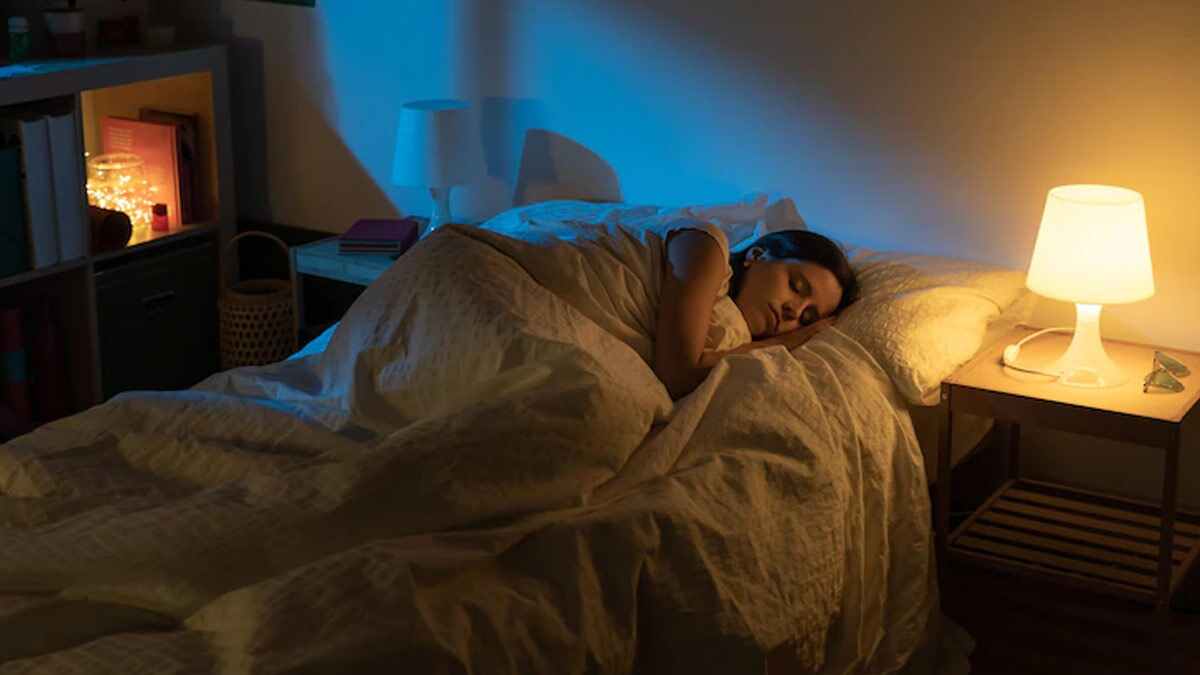
The Hazards Of Sleeping With Lights On....KINDLY READ THE FULL STORY HERE▶
Leaving the light on while sleeping can have various potential dangers and negative impacts on health…READ ALSO
- Disrupted Sleep Patterns: Exposure to light, especially blue light emitted by electronic devices and certain light bulbs, can interfere with the body’s natural sleep-wake cycle. This disruption can lead to difficulty falling asleep, staying asleep, and achieving restful sleep, ultimately affecting overall sleep quality.
- Suppressed Melatonin Production: Melatonin is a hormone that regulates the sleep-wake cycle and is primarily produced in response to darkness. Exposure to light at night, particularly blue light, can suppress melatonin production, making it harder to fall asleep and disrupting the body’s circadian rhythm.
- Increased Risk of Insomnia: Prolonged exposure to artificial light at night, such as from lamps, TVs, computers, or smartphones, can increase the risk of insomnia and other sleep disorders. Chronic insomnia can have serious consequences for physical and mental health, including fatigue, impaired cognitive function, and mood disturbances.
- Negative Impact on Eye Health: Continuous exposure to bright light, especially when sleeping with the lights on, can strain the eyes and potentially lead to eye discomfort, dryness, irritation, and even long-term damage to vision. It is essential to give the eyes adequate rest by sleeping in a dark environment.
- Disrupted Circadian Rhythm: The body’s internal clock, or circadian rhythm, relies on environmental cues such as light and darkness to regulate various physiological processes, including sleep, metabolism, and hormone production. Exposure to artificial light at night can disrupt this natural rhythm, potentially leading to hormonal imbalances and health issues over time.
To mitigate these risks and promote better sleep hygiene, it is advisable to create a sleep-friendly environment by keeping the bedroom dark, quiet, and comfortable. This includes turning off unnecessary lights, using blackout curtains or shades to block out external light sources, and avoiding the use of electronic devices before bedtime. By prioritizing a dark and conducive sleep environment, individuals can improve their sleep quality and overall well-being.


Latest5 hours ago
PUBLIC HEARING ON SENATE BILL 648: WHY NIGERIA MUST DEBATE THE FUTURE OF ITS DIGITAL ECONOMY, NOT JUST SOCIAL MEDIA

Latest6 hours ago
Don’t Blame INEC Chairman For Rigging’ — Deji Adeleke Sparks Fresh Election Debate

Latest6 hours ago
Fresh Tension As Nigeria Pushes ECOWAS To Act Over South Africa Xenophobia

Latest6 hours ago
Act Like A Leader, Stop Blaming Tinubu – Osita Okechukwu Fires At Atiku

Latest6 hours ago
Atiku, Peter Obi Can’t Gather Enough Support To Defeat Tinubu In 2027 – Ganduje

Latest4 days ago
Mystery Deepens: New Details Surface In Mary Habila Death Investigation

Latest5 days ago
Edo Governor Makes Major Shake-Up, Approves 20 Fresh Appointments

Latest3 days ago
Oshiomhole Breaks Ranks, Opposes Fasina’s Confirmation Over Sexual Harassment Allegations

Latest3 days ago
The Truth Must Be Told!’ – Full Text Of Umahi’s Explosive Remarks On Mary Habila’s Controversial Death

Latest1 day ago