
Tinubu Records: FBI Makes Major Move In US Court Battle
 Follow us on Google News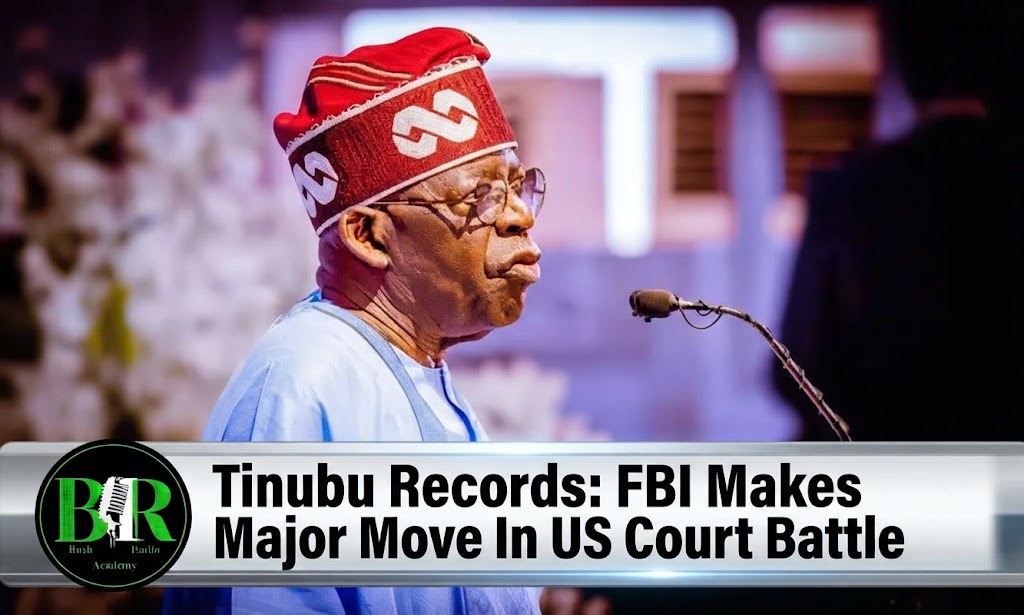
The United States Federal Bureau of Investigation (FBI) has submitted records connected to President Bola Tinubu’s 1993 drug-trafficking and money-laundering case to a federal judge in Washington, D.C., according to court documents.
Bush Radio Academy reports that the documents were submitted under seal to Judge Beryl Howell of the United States District Court for the District of Columbia. This means the materials are currently available only to the court while the judge considers whether they can be released publicly.
The development followed a prolonged legal dispute over a Freedom of Information Act (FOIA) request filed by American transparency advocate Aaron Greenspan, who has been seeking access to records relating to Tinubu from the FBI.
Court filings showed that the agency delivered the documents to the court on Friday, August 28, following an earlier directive issued by Judge Howell.
The submission reportedly came after the judge ordered the FBI to provide further justification for its continued refusal to release the records. The documents were submitted without Greenspan being given access to their contents.
According to court filings, the materials were physically delivered to the court in compliance with an order issued by Howell on August 20, 2026.
Greenspan initially submitted his FOIA request in 2023 and later worked with Nigerian journalist David Hundeyin in efforts to obtain the records.
The matter subsequently developed into a legal dispute over the pace at which the FBI was processing the request, with the agency repeatedly seeking additional time.
Judge Howell reportedly gave the bureau several opportunities to explain its position regarding the withholding of the documents but expressed increasing dissatisfaction with the delays.
The court eventually fixed August 28 as the deadline for the FBI to comply with its directive and submit the requested materials.
The FBI had previously argued that releasing the records could violate Tinubu’s privacy rights. The agency also maintained that the FOIA law was primarily designed to promote transparency regarding government activities and operations, rather than provide unrestricted access to records concerning private individuals.
The latest development brings renewed attention to the long-running controversy surrounding records linked to Tinubu’s activities in the United States during the early 1990s.
However, the fact that the documents have been submitted under seal does not mean their contents have been made public. Their eventual release will depend on the court’s determination regarding whether, and to what extent, the records can be disclosed.







Comments
0 comments