
Yoruba Vs Igbo: Francis Duru Explains How Yoruba Filmmakers Took The Lead
 Follow us on Google News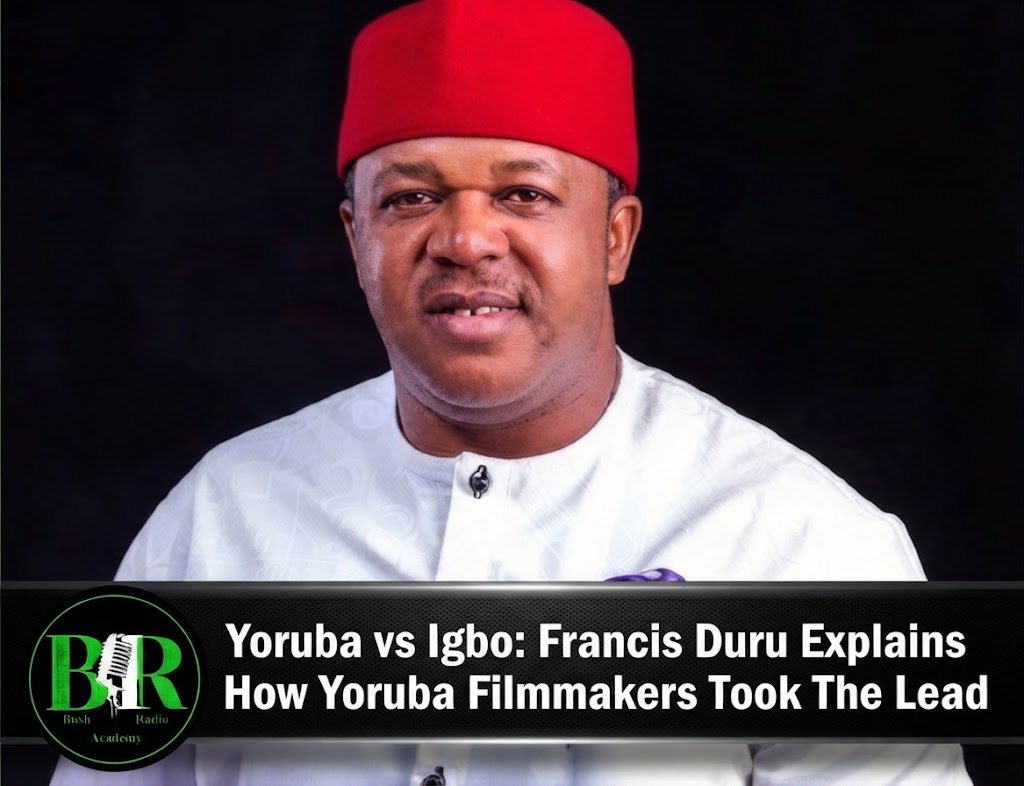
Veteran Nollywood actor Francis Duru has called for renewed efforts to promote Igbo culture and heritage through Nigerian cinema, expressing concern over what he described as the declining visibility of Igbo-centred stories on major cinema platforms and international streaming services.
Bush Radio Academy reports that Duru made the remarks during an interview, where he urged stakeholders in the Igbo film industry to adopt more strategic approaches to storytelling, investment and promotion if they want to regain a stronger presence in the rapidly evolving Nigerian film industry.
According to the actor, the growing visibility of Yoruba-language productions on major cinema screens and global streaming platforms such as Netflix is largely the result of deliberate organisation, investment and efforts to promote their cultural identity.
Duru argued that other filmmakers should learn from the approach rather than view the success of Yoruba filmmakers negatively. He maintained that communities must actively support and promote their own stories if they want their culture to remain visible in the entertainment industry.
The actor expressed disappointment that despite the rich history, traditions and literary contributions of the Igbo people, relatively few contemporary productions highlighting Igbo heritage have gained significant exposure on leading international streaming platforms.
He also questioned why more filmmakers have not taken advantage of the growing global market for culturally rooted Nigerian stories, stressing the need for stakeholders to recognise emerging opportunities and position Igbo productions to benefit from them.
Duru further criticised what he described as the failure to adequately document and dramatise the stories of notable Igbo personalities and historical figures. He argued that the absence of such productions creates room for filmmakers from other backgrounds to interpret Igbo stories, sometimes without sufficient understanding of the culture.
The veteran actor also traced some of the challenges facing the Igbo film sector to the early years of Nollywood, when, according to him, some producers placed greater emphasis on quick financial returns than on building sustainable structures and maintaining professional standards.
He said that excessive focus on money, authority and immediate gains contributed to some early industry players losing their influence as Nollywood continued to evolve.
Duru also expressed concern over what he described as declining production standards in the industry. He recalled that older Nollywood productions were often characterised by extensive rehearsals, careful casting, preparation and attention to detail, which helped create lasting content.
According to him, the modern industry has become much faster, with some productions moving from script development to filming and marketing within very short periods, a trend he believes can undermine professional ethics and the quality of storytelling.
The actor, however, clarified that he does not regard the influx of new filmmakers and content creators as a threat. Instead, he described the development as evidence of the expansion of the Nigerian entertainment industry.
Duru called on veteran practitioners and other industry stakeholders to take responsibility for preserving the principles and professional standards that helped establish Nollywood.
He stressed that Igbo filmmakers must become more proactive by investing in culturally relevant productions, creating stronger structures and ensuring that valuable knowledge and industry practices are passed on to younger generations.
He maintained that with proper organisation, investment and commitment to cultural storytelling, Igbo cinema can reclaim greater space in Nigeria’s entertainment industry and achieve stronger recognition on the global stage.







Comments
0 comments