
Politics
Inside Story: How Gowon And Obasanjo Laid The Foundation Of Nigeria’s Fuel Subsidy System – IMPI

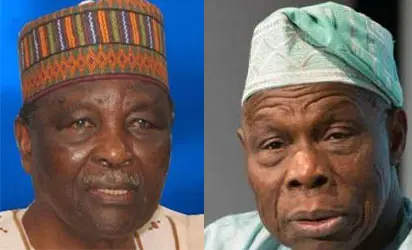
Inside Story: How Gowon And Obasanjo Laid The Foundation Of Nigeria’s Fuel Subsidy System – IMPI....KINDLY READ THE FULL STORY HERE▶
The Independent Media and Policy Initiative (IMPI) has traced the origins of Nigeria’s fuel subsidy to the administrations of former military Heads of State, General Yakubu Gowon and General Olusegun Obasanjo. According to IMPI, these leaders introduced the subsidy during periods of economic growth, aiming to mitigate the impact of global oil price fluctuations.
In an address to journalists in Abuja, IMPI Chairman Niyi Akinsiju explained that the fuel subsidy was originally intended as a short-term solution to a spike in global oil prices driven by the Organization of Petroleum Exporting Countries (OPEC). However, what was meant to be a temporary fiscal measure has since become a persistent policy, continuing even in times of economic downturn, which has led to distortions in the economy.
Akinsiju expressed concern about the recent backlash from labor unions over the government’s decision to remove the fuel subsidy. He noted that many Nigerians had long called for its elimination before the 2023 removal.
He further explained that under both Gowon and Obasanjo, fuel prices were adjusted to reflect the prevailing economic conditions. During Gowon’s tenure, petrol prices increased by 40%, from six kobo per liter to nine kobo, while under Obasanjo, prices rose by 70%, from nine kobo per liter to 15.3 kobo.
“General Olusegun Obasanjo, during his time as military head of state, formalized the petroleum subsidy by enshrining it into law. The government was tasked with fixing prices for certain products, including petroleum, which were not to be sold above those fixed prices,” Akinsiju said. “This was designed as a short-term measure to cushion the impact of rising international oil prices. However, it’s important to note that even under Gowon and Obasanjo, petrol prices rose as economic realities evolved.”
Akinsiju argued that the fuel subsidy was introduced when the government had abundant fiscal resources, serving as a tool for redistributing wealth during times of high revenue. However, when economic conditions worsened, the subsidy should have been halted to prevent further distortions in the economy.
“But over the years, the subsidy has become deeply ingrained in Nigeria’s economy, making it difficult to remove without public outcry. Since 1988, every attempt by the government to end the subsidy has been met with strong opposition, despite changes in the economic landscape,” Akinsiju explained.
He also noted that the recent protests against the fuel price hike were consistent with previous reactions, with the Nigeria Labour Congress (NLC) once again leading the charge, blaming the federal government for the price increases.
“As analysts, we believe it’s time for these protests and accusations to cease. The economic reality has shifted, and it’s crucial to recognize that the subsidy, in its current form, is no longer sustainable,” Akinsiju concluded.



Breaking: Estevao Hamstring Injury Raises Alarm Over Possible World Cup Absence

Fresh Shake-Up In Government As Bola Tinubu Seeks Senate Approval For Darma, Yuguda Economic Appointment

Inside PDP Rift: Wike-Backed Faction Unveils Fees For Presidential Form, Picks Primaries Date

Breaking: Gift Orban Transfer Plan Falls Through As Verona Opts Out Of Permanent Move

Coup Plot Trial: One Defendant Arrives Early As Others Await Arraignment In High-Profile Case

Breaking: Federal Government Of Nigeria Bans Cement Importation, Releases Full List Of Restricted Goods

Supreme Court Shocks Kano Emirate Case, Adjourns Hearing Till 2027

Breaking: Complete List Of Charges Filed Against Timipre Sylva And Alleged Coup Network Exposed

Here’s What Happened” — Ex-Army Chief Buratai Speaks On Borno Airstrike Tragedy
