
Politics
Kogi’s Housing Crisis Deepens As Rent Hikes Lead To Growing Discontent

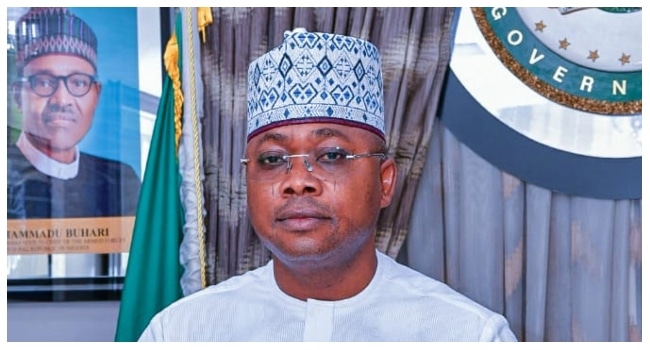
Kogi’s Housing Crisis Deepens As Rent Hikes Lead To Growing DiscontentKogi State has been grappling with a significant housing shortage, a problem exacerbated by years of neglect in the policy and planning sectors. The state’s housing crisis, particularly in Lokoja, its capital, has led to skyrocketing rent prices, making it increasingly difficult for residents to secure affordable housing.....KINDLY READ THE FULL STORY HERE▶
In May 2024, Governor Usman Ododo announced plans for the immediate commencement of a 1,000-unit housing estate under the Renewed Hope Housing Project (RHHP). During a visit by the Federal Housing Authority (FHA) to Lokoja, Ododo revealed that the state was allocating 100 hectares of land for the project, positioning Kogi as a key partner in President Bola Tinubu’s plan to provide affordable housing across Nigeria. Governor Ododo emphasized Kogi’s strategic location—bordering nine states and the Federal Capital Territory—as a critical factor influencing its population growth and, consequently, its increasing housing demand.
However, despite these promising developments, Kogi continues to face a severe housing deficit, which has deepened economic challenges for its residents. The influx of people from neighboring states like Kwara and Benue, as well as other regions seeking better opportunities in the Confluence State, has made housing highly competitive. This growing demand has led to astronomical rent increases, putting housing out of reach for many.
The housing problems in Kogi date back to its creation in 1991. Early governors of the state made efforts to address the housing deficit, with significant projects launched under military administrators and later civilian leaders like Prince Abubakar Audu. Audu, in particular, made a mark with massive housing initiatives, including the development of estates like the Old Poly Quarters, Lokongoma Phase 1 and 2, and the Assembly Quarters. His return in 1999 saw further expansion with the construction of 900 housing units and the Commissioners Quarters.
However, the situation took a downturn under Governor Yahaya Bello, who assumed office in 2015. Despite overseeing the state for eight years, Bello did not initiate a single housing project, resulting in a severe housing shortage, especially in Lokoja, as more people migrated to the city in search of better living conditions and opportunities.
Residents have been vocal about the high cost of living, particularly the sharp rise in house rents. Civil servants and ordinary residents alike are struggling with the soaring costs. For example, Abdullahi Umar, a resident of Adankolo, expressed frustration after his landlord raised the rent for a one-room apartment from N35,000 to N90,000 without any renovations. He called it “wickedness” and highlighted the dire economic situation that is making it difficult for families to survive. Another resident, Hajia Mulikat Adomu, echoed the sentiment, urging the government to introduce policies or laws that would regulate landlords’ behavior and prevent such exploitative rent hikes.
The lack of adequate housing policy over the years has exacerbated the crisis, and many residents fear that without intervention, the situation will only worsen. With no significant housing projects since the Bello administration, the state faces a dire need for immediate action to address the growing housing deficit and the rising cost of rent, which is pushing many families into financial hardship.
For more information on this article and other related posts from Bushradiogist, please join our WhatsApp channel by clicking this link https://whatsapp.com/channel/0029VaUumOODTkK7AZL1Fw3o. For advertisement inquiries only, kindly send a message to 090 1907 0863 on WhatsApp.


The APC-ADC Strategic Blunder In Kwara State

Breaking: Police Block PDP Convention Venue In Abuja, Triggering Political Tension

Jang Reacts To PDP Primaries, Blasts Critics Over Alleged Backroom Result Claims

Breaking: APM Endorses Governor Makinde As Preferred Presidential Candidate

Tinubu Reveals Painful Journey To Power, Says Presidency Came With Heavy Battles

Drama In Lagos APC As Tinubu’s Daughter Threatens Protest Over Primary Results

APC Senate Race Takes Shape As Party Reveals Candidates For 2027 Polls

Full Text: President Tinubu’s 3rd Anniversary Address Shakes Nation

Full List Sparks Outrage — David Mark, Lamido Among June 12 Annulment Signatories
