
Politics
Cooking Gas Price In Nigeria: How Much It Costs To Refill A 1kg Cylinder

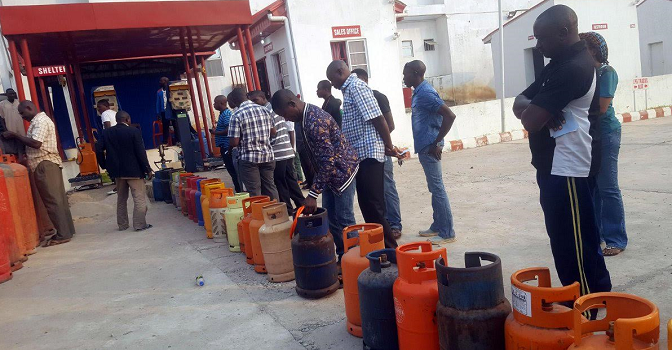
Cooking Gas Price In Nigeria: How Much It Costs To Refill A 1kg CylinderThis week, the price of cooking gas in Nigeria has varied across regions, with the cost typically ranging between ₦1,300 and ₦1,400 per kilogram, depending on location. Several factors are driving these fluctuations, including international LPG prices, the stability of foreign exchange rates, and increased demand during the festive season.....KINDLY READ THE FULL STORY HERE▶
While efforts to increase domestic LPG production and improve import processes could help stabilize prices in the long term, consumers should brace for short-term price variations influenced by both global and local economic conditions.
Here are the key factors affecting cooking gas prices in Nigeria:
1.Global Crude Oil Prices
The cost of cooking gas (LPG) is closely linked to global crude oil prices. Fluctuations in the international oil market directly affect LPG import costs, as Nigeria relies heavily on imports.
2.Foreign Exchange Rates
Since LPG imports are paid in foreign currency, changes in the exchange rate between the Nigerian Naira and the US Dollar can have a significant impact. A weaker Naira leads to higher import costs, which are passed on to consumers.
3.Domestic Supply and Imports
While Nigeria does produce some LPG domestically, there are often shortages, necessitating imports to meet demand. Increased local production or smoother import processes could lead to price stabilization, while supply disruptions can cause price hikes.
4.Transportation and Logistics Costs
The price of transporting LPG from production or import terminals to retailers influences its final price. Higher transportation costs, driven by fuel prices (e.g., petrol and diesel), can contribute to increased cooking gas prices.
5.Seasonal Demand
Demand for cooking gas typically spikes during festive periods, such as Christmas, when households prepare for celebrations. This surge in demand can temporarily push prices higher.
6.Inflation and Economic Policies
General inflation and changes in government policies can also affect the price of LPG. For example, subsidies or tariffs on LPG imports can influence pricing patterns.
7.Supply Chain Efficiency
Inefficiencies in the supply chain, including delays at distribution points or import terminals, can lead to price increases due to shortages.
8.Market Dynamics
The level of competition among LPG marketers affects the price. In regions with limited competition, prices are often higher due to less price regulation.
9.Government Regulations
Government interventions, such as subsidies or import tariffs, play a role in the cost of LPG. Policies aimed at encouraging local production or reducing import reliance may also affect pricing.
10.Storage and Handling Costs
Retailers incur costs for storing and handling LPG, and these costs are reflected in the retail price. Any increase in operational expenses for distributors or retailers can lead to higher prices for consumers.
Here are the current prices for cooking gas in Nigeria:
•1kg Cooking gas – ₦1,300
•3kg Cooking gas – ₦3,900
•5kg Cooking gas – ₦6,500
•6kg Cooking gas – ₦7,800
•10kg Cooking gas – ₦13,000
•12.5kg Cooking gas – ₦16,250
For more information on this article and other related posts from Bushradiogist, please join our WhatsApp channel by clicking this link https://whatsapp.com/channel/0029VaUumOODTkK7AZL1Fw3o. For advertisement inquiries only, kindly send a message to 090 1907 0863 on WhatsApp.


Gombe Governor Unveils New Cabinet, Gives 23 Commissioners Stern Corruption Directive

Peter Obi Stuns Shoppers As He Makes Surprise Appearance at Abuja Supermarket

Fresh Details Emerge On Operation That Led To PFIPC ‘Fake DG’ Adeyemi’s Arrest

Presidency Blasts Peter Obi: ‘Imagine Lies From Someone Who Wants To Govern Nigeria

BREAKING: Latest Dollar To Naira Exchange Rate Today, July 19, 2026

Mystery Deepens: New Details Surface In Mary Habila Death Investigation

Edo Governor Makes Major Shake-Up, Approves 20 Fresh Appointments

Oshiomhole Breaks Ranks, Opposes Fasina’s Confirmation Over Sexual Harassment Allegations

The Truth Must Be Told!’ – Full Text Of Umahi’s Explosive Remarks On Mary Habila’s Controversial Death
