
Latest
2027 Election Concerns: Bashir Ahmad Reveals Why Citizens Stayed Away In Key States

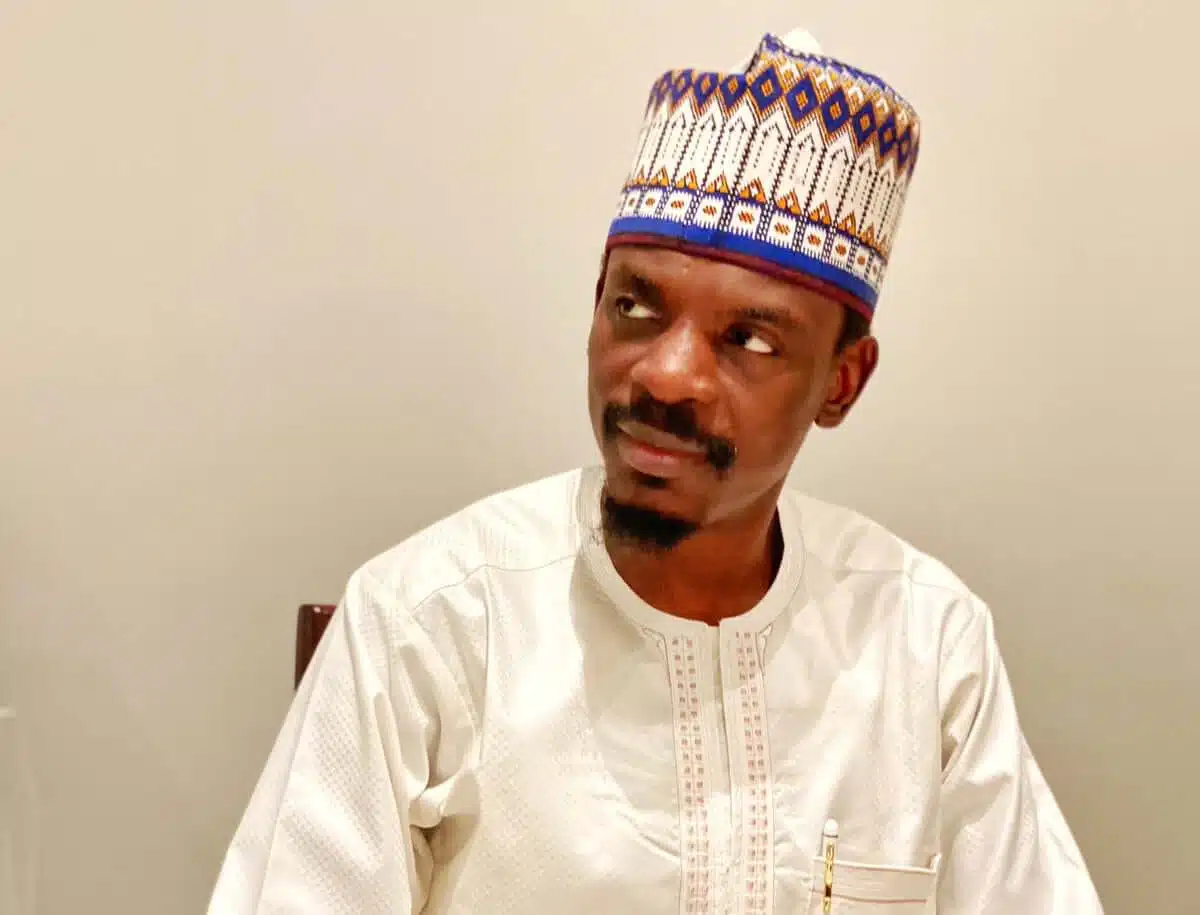
Former presidential media aide, Bashir Ahmad, has attributed the low voter turnout in the Federal Capital Territory (FCT) council elections and the by-elections in Rivers and Kano states to the ongoing Ramadan fast.....KINDLY READ THE FULL STORY HERE▶
Ahmad explained that during Ramadan, many Muslims adjust their daily routines, limit physical activity during fasting hours, and focus more on spiritual obligations, which contributed to the reduced turnout across several polling units on Saturday, 21st February.
He further urged the Independent National Electoral Commission (INEC) to reconsider the 2027 general election timetable, which currently coincides with Ramadan.
INEC had recently released the schedule for the 2027 elections, announcing that the Presidential and National Assembly polls will take place on 20th February 2027, while the Governorship and State Assembly elections are slated for 6th March 2027. The commission’s chairman, Prof. Joash Amupitan, disclosed this at a press briefing in Abuja on Friday, 13th February 2026.
Reflecting on Saturday’s elections, Ahmad emphasized that election timing is a critical factor in ensuring inclusivity and maximizing citizen participation.
He stated, “One major factor behind voter apathy in the recent FCT council elections was their timing during the holy month of Ramadan. Many residents adjust their routines, reduce movement during fasting hours, and focus on spiritual activities, which naturally affected turnout at several polling units.
“This is why stakeholders and observers are urging INEC to carefully review the dates for next year’s general elections, which also fall within Ramadan. The scheduling of the governorship and State/National Assembly elections just two days before Eid el-Fitr is particularly concerning, given the preparations, travel, family commitments, and economic activities that typically take place ahead of the celebration.
“While civic responsibility remains vital, aligning election dates with major religious observances can significantly improve voter turnout, inclusivity, and overall democratic participation.”



Super Eagles Crisis? Akor Adams Demands Immediate Team Overhaul After Setbacks

Mbappé Sparks Real Madrid Manager Rumours With Mysterious Social Media Activity

Breaking: El-Rufai’s Bail Bid Thrown Out Amid Serious Corruption Allegations

Breaking: Tinubu Moves To Secure Senate Backing for $516m Borrowing Plan

Breaking: Tinubu Rejects Senators’ Demand for Automatic Return Tickets

Breaking: Federal Government Of Nigeria Bans Cement Importation, Releases Full List Of Restricted Goods

Breaking: Complete List Of Charges Filed Against Timipre Sylva And Alleged Coup Network Exposed

Supreme Court Shocks Kano Emirate Case, Adjourns Hearing Till 2027

Bold Warning From PDP Chieftain As Bode George Advises Tinubu To Avoid Sycophants
