
Latest
Inflation Sparks Outrage: JAMB CBT Centres Slam ₦700 Registration Fee For UTME

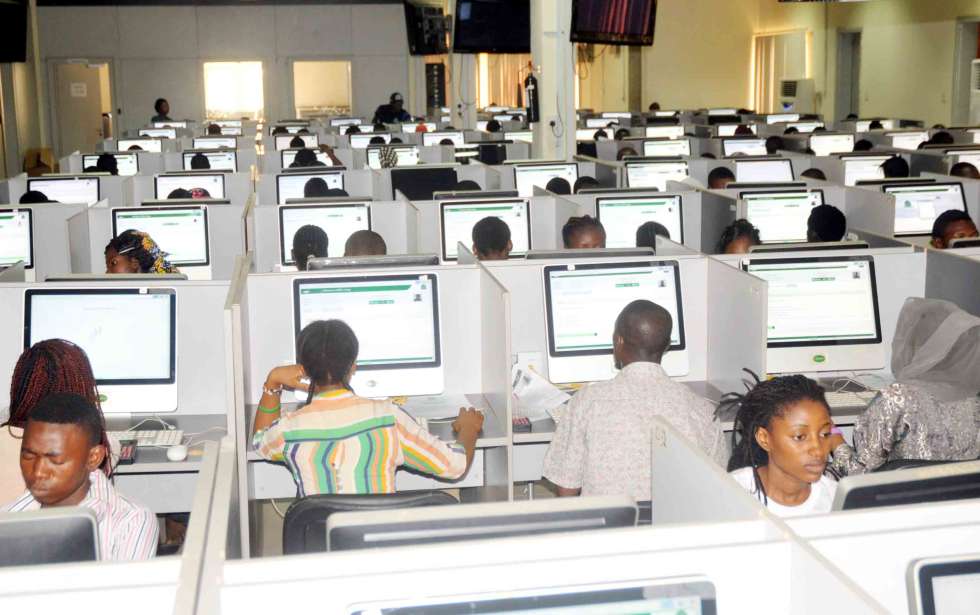
The Computer-Based Test (CBT) Centres Proprietors Association of Nigeria has raised concerns over the ₦700 registration service fee for candidates registering for the Unified Tertiary Matriculation Examination (UTME), calling it “grossly inadequate” in light of rising operational and logistical costs.....KINDLY READ THE FULL STORY HERE▶
The association’s president, Austin Ohaekelem, spoke to The PUNCH on Monday, shortly after the Joint Admissions and Matriculation Board (JAMB) announced the disbursement of ₦1.57 billion to accredited CBT centres that participated in the 2026 UTME registration exercise.
JAMB, through its Public Communication Advisor Fabian Benjamin, explained in a bulletin that the payment represents the ₦700 service fee collected from candidates on behalf of CBT centres during registration. The board noted that the amount is remitted weekly, alongside charges related to the UTME ePIN registration, and warned that centres overcharging candidates would face sanctions.
Under JAMB’s fee structure, UTME registration costs ₦7,200, UTME with mock exams ₦8,700, and Direct Entry applications ₦5,700. The breakdown includes a ₦3,500 application fee, ₦1,000 reading text, ₦700 CBT centre registration service charge, ₦1,500 CBT UTME service charge, ₦500 bank charges, and ₦1,500 CBT mock-UTME centre charge.
‘₦700 No Longer Reflects Reality’ – CBT Centres Protest
Ohaekelem argued that the ₦700 service charge has remained the same since 2016, despite significant increases in the cost of running CBT centres. He said:
“The cost of registering a candidate in 2016 was ₦700. Ten years later, it remains ₦700. Meanwhile, operational requirements, logistics, and tools continue to rise every year. The cost of living and inflation have increased, yet we are still being asked to charge the same amount.”
He cited the high expenses of running CBT centres, including laptops costing ₦150,000 each, staff salaries, diesel, rent, equipment servicing, and repairs. In major cities, renting facilities can be extremely costly, with a 250-capacity hall in Lagos costing at least ₦3 million annually, and in Ebute Metta, his centre pays over ₦5 million per year.
Ohaekelem also clarified that centres do not directly collect the ₦700 from candidates; they first remit it to JAMB and are later reimbursed. He emphasized that growing human resource requirements and the logistics of managing registrations make the fee insufficient.
“We have to hire staff to coordinate registration, supervise exams, and manage logistics. All these expenses come from a fee that hasn’t changed in ten years. It’s grossly inadequate,” he said.
He also lamented the lack of recognition for CBT centres within the education sector, noting that they are often treated as a pressure group rather than as partners.
JAMB Defends Payment System
In response, JAMB defended its payment arrangement, noting that the cashless registration system has improved transparency and reduced unauthorized charges. Under this system, candidates purchase the UTME ePIN and register at any accredited centre without making separate payments.
The board also highlighted its “No View, No Pay” policy, allowing it to withhold payments if registration activities cannot be monitored remotely, and only releasing funds after anomalies are addressed.
UTME Registration and Exams
The 2026 UTME registration exercise closed on February 28, with exams scheduled nationwide from April 16 to 25. Direct Entry registration opened on March 2 and will end on April 25.
JAMB Clarifies Role in HND Admissions
Separately, JAMB Registrar Prof. Is-haq Oloyede clarified that the board has no role in admitting Higher National Diploma (HND) graduates into polytechnics or facilitating their NYSC mobilisation. Admissions for HND students are the responsibility of individual institutions.
Oloyede emphasized the importance of following proper procedures through the Central Admissions Processing System (CAPS) and criticized “Daily Part-Time” HND programs that bypass the system, which the NYSC often rejects. He stressed:
“Some polytechnics have conducted illegal admissions, with one institution reportedly having over 42,000 irregular cases. If institutions follow the proper process, there would be no problem. On our part, we will continue to render quality service beneficial to all stakeholders.”


Breaking: Dollar To Naira Rate Today, May 1, 2026, Sparks Fresh Market Reactions

Breaking: Goodluck Jonathan Steps Into UK Case, Speaks On Diezani’s Private Jet Use

Breaking: Alex Otti Reacts To Alleged Collapse Of Labour Party Structure Into APC

Viral Video: Rudeboy Takes A Tumble While Performing On Stage

Breaking: Alex Otti Reveals Conditions To Secure LP 2027 Presidential Ticket

Breaking: Complete List Of Charges Filed Against Timipre Sylva And Alleged Coup Network Exposed

Political Tension Rises As Tonye Cole Grabs APC Ticket Form For Rivers Clash

Breaking: FG Slams Treason Charges On Timipre Sylva, Alleged Coup Plotters

Delta State Tragedy: Police Reveal New Details On Officer’s Role In Fatal Incident
