
Latest
Periodic Strikes Not Enough — Olawepo-Hashim Reacts To Killing Of ISIS Commander

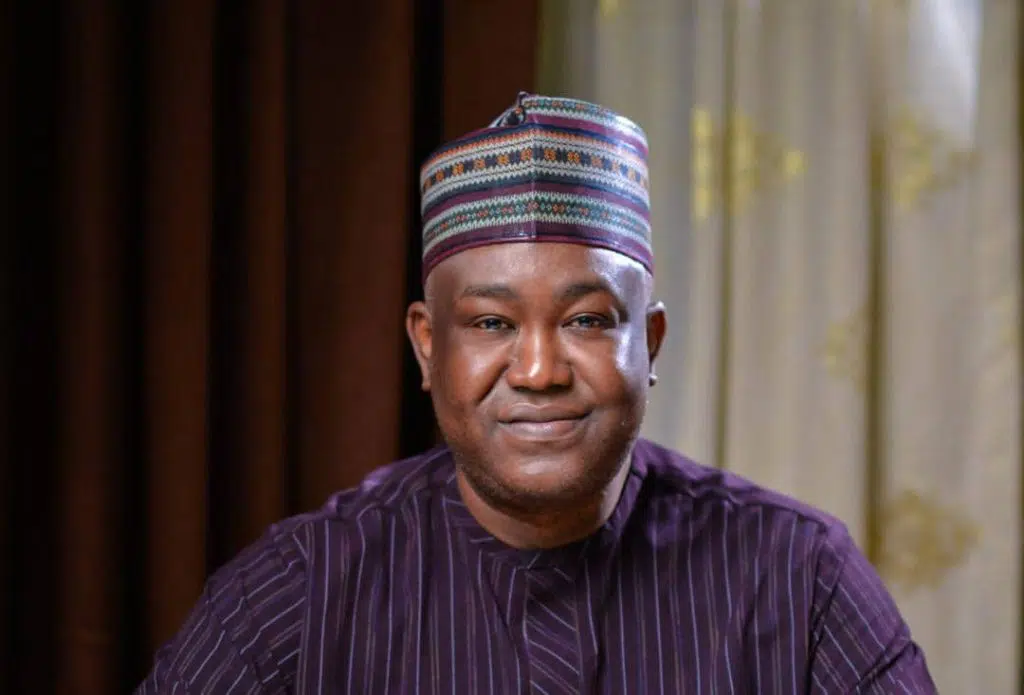
Former presidential candidate Gbenga Olawepo-Hashim has said that military action alone cannot resolve the country’s ongoing insurgency challenges.
He made the statement following the reported killing of senior Islamic State commander Abu Bilal al-Minuki in a joint operation involving the United States and the Nigerian Armed Forces.
Hashim noted that while the operation was commendable, Nigeria must also address the deeper social and economic issues—such as poverty, unemployment, and social decay—that continue to fuel violent extremism.
He praised the mission that led to al-Minuki’s death, describing it as evidence of what can be achieved through effective international intelligence sharing and coordinated military action.
In a statement released on Saturday, he said the operation reinforces long-standing concerns that extremist groups in Nigeria are pursuing strategies similar to the Islamic State’s efforts to establish territorial strongholds in conflict zones.
He added, “For over five years, we have consistently advocated for this level of collaboration. This operation underscores what can be achieved when global partners work together sincerely.”
However, Hashim cautioned against viewing the elimination of senior terrorist figures as a final solution to Nigeria’s security problems.
He stressed that counterterrorism efforts must go beyond occasional military strikes, describing them as needing to be sustained, strategic, and focused on addressing root causes.
According to him, while targeted operations may weaken insurgent leadership, they often leave rural communities vulnerable to retaliatory attacks.
Hashim further described the security situation in Nigeria as deeply concerning, claiming that more than 18,000 people have been killed by terrorism and related violence in the past three years.
He argued that widespread poverty, unemployment, illiteracy, and social exclusion continue to provide fertile ground for extremist recruitment, particularly among young people in northern Nigeria.


Political Bombshell! Sam Amadi Speaks On How Yar’Adua’s Body Returned To Nigeria

Rufai Oseni Sparks Reactions With Warning On Peter Obi: ‘No Mysterious Accident

Fresh Twist Ahead Of 2027: Appeal Court Revives ADC, Four Political Parties

2027 Battle Lines Drawn! ADC Reacts To Claims Peter Obi Will Defeat Atiku

Political Twist! Wike Speaks on Fubara Rift, Says ‘There Is No Sin

Fear Grips Kidnappers, Bandits as Okpebholo Deploys 497 Forest Guards Across Edo

Fresh Details Emerge On Operation That Led To PFIPC ‘Fake DG’ Adeyemi’s Arrest

El-Rufai’s Medical Report Sparks Fresh Crisis As MDCAN Probes Doctor, ICPC Files Charges

Why Is It Not Implemented?’—Lawmaker Blasts FG Over 2025 Budget Delay
