Connect with us

Latest

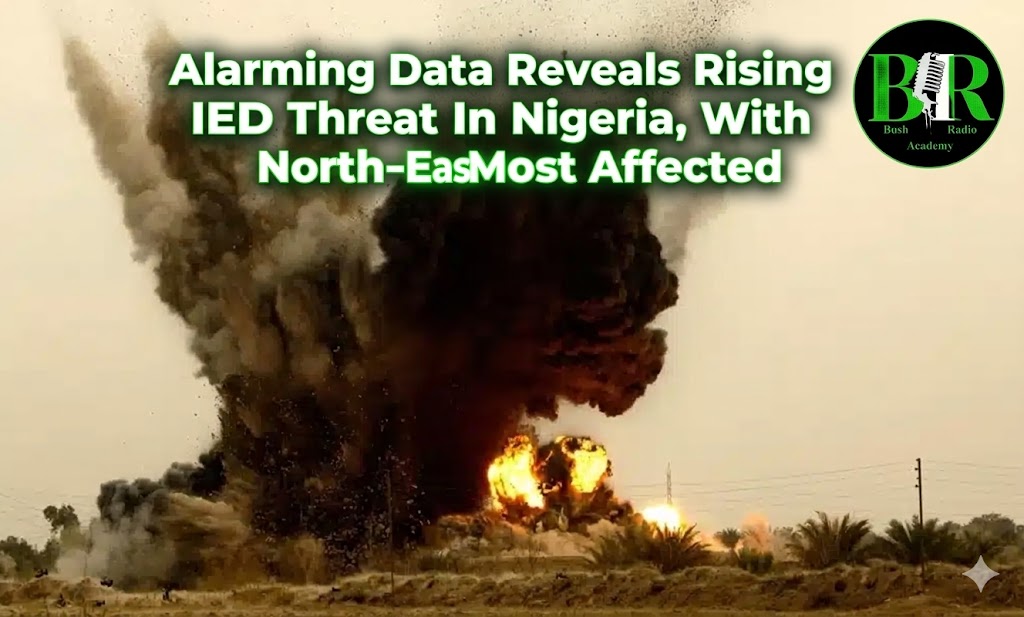
Alarming Data Reveals Rising IED Threat In Nigeria, With North-East Most Affected

Published

on

The International Criminal Police Organisation (INTERPOL) has revealed that Nigeria recorded 1,934 incidents involving Improvised Explosive Devices (IEDs) between 2017 and 2024, with the North-East accounting for the majority of the attacks.....KINDLY READ THE FULL STORY HERE▶

The organisation also reported a 421 per cent increase in IED incidents in Cameroon between 2024 and 2025, with 99 casualties recorded in 2025 alone.

According to Vanguard, INTERPOL’s General Secretariat officer, Lasha Giorgidze, made this known in Abuja during the Watchmaker Post-Blast Investigation Training for security personnel from Nigeria and Cameroon.

Giorgidze expressed concern over the worsening security situation in terrorism-affected regions, noting that civilian casualties from IED attacks continue to rise.

He added that civilian harm in Nigeria increased by 177 per cent in 2024 compared to the previous year.

“In 2024 alone, civilian harm surged by 177 per cent compared to the previous year. In the first six months of 2025, we have already recorded 65 fatalities, surpassing the total for 2024,” he said.

He also referenced the March 2026 coordinated suicide bombings in Maiduguri, which reportedly left at least 27 people dead and 146 others injured.

According to him, the continued use of IEDs by terrorist groups highlights the urgent need for stronger investigative capacity, intelligence sharing, and regional cooperation.

Giorgidze explained that the joint Nigeria–Cameroon training was organised after INTERPOL’s 2024 assessments identified gaps in post-blast investigation capabilities in both countries.

He stressed that the shared border and common security challenges make collaboration essential.

He noted that terrorist groups often move explosives, materials, and financing across borders, making it difficult for any single country to tackle the threat alone.

“IED components, precursor materials and financing networks in the Lake Chad Basin do not stop at checkpoints. They cross national borders,” he said.

The INTERPOL official added that about 60 per cent of casualties in 2024 were linked to IEDs placed along supply routes.

Terrorists Adopting More Advanced Methods

Giorgidze warned that terrorist groups are increasingly using more sophisticated explosive tactics.

He said they now deploy pressure-plate triggers, command-detonated systems, secondary explosives, and modified commercial drones, making investigations more complex.

According to him, these evolving tactics make post-blast investigations crucial for identifying perpetrators and preventing future attacks.

He explained that the Abuja training is aimed at helping participants transform blast scenes into actionable intelligence capable of disrupting terrorist networks.

Evidence Critical to Tracking Terror Networks

Giorgidze further noted that evidence from blast sites can help investigators determine the type of device used, its construction method, material sources, and possible links to criminal or terrorist groups.

He said such findings can aid prosecutions and help trace the movement of weapons, funding, and materials.

The three-day training covers scene safety, cordon management, evidence collection and preservation, device reconstruction, forensic analysis, intelligence development, chain-of-custody procedures, and inter-agency information sharing through INTERPOL channels.

He also commended the Government of Canada for supporting counter-IED capacity-building initiatives across West Africa and the Lake Chad Basin through the Watchmaker and CHEMEX programmes.

Participants included personnel from Nigeria’s National Counter Terrorism Centre, Office of the National Security Adviser, Nigerian Armed Forces, Customs Service, NEMA, Federal Fire Service, and the Nigeria Police Force.

Cameroon’s delegation comprised officers from the National Gendarmerie, Judicial Police, and the National Central Bureau in Yaoundé.

INTERPOL said strengthening post-blast investigative capacity in both countries will enhance intelligence gathering, improve prosecutions, and bolster regional efforts against terrorism and violent extremism.

Advertisement
Click to comment

Leave a Reply

Your email address will not be published. Required fields are marked *