
Politics
Caught In The Debt Trap: How Loan Sharks Are Destroying Lives Across Nigeria

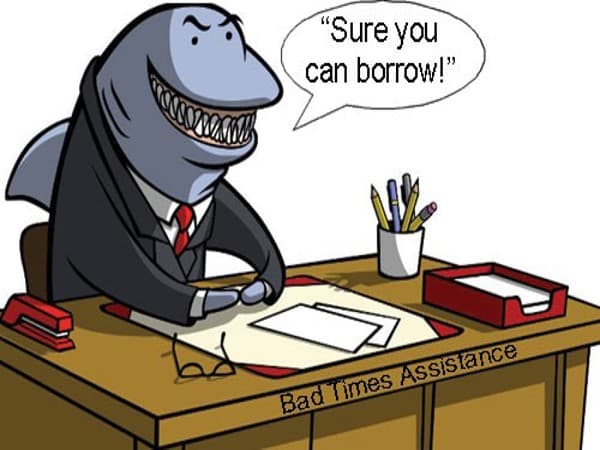
Caught In The Debt Trap: How Loan Sharks Are Destroying Lives Across NigeriaKenneth Chidiebere, 33, never imagined that a small loan to fund his dream of studying cinematography would lead him into a crippling debt cycle. In January, facing mounting expenses and waiting for delayed payments from a client, he turned to digital loan apps for help. But what began as a seemingly harmless financial solution soon became his worst nightmare, plunging him into a pool of debt that now feels impossible to escape.....KINDLY READ THE FULL STORY HERE▶
Chidiebere explains how it all started: “I was expecting some cash from my client, but it took longer than expected. That’s when I decided to try a loan app, thinking I could repay it once my client paid me.” Initially, the loans were manageable. His first three attempts went smoothly, as he paid back on time. However, when his client’s payment kept getting delayed, he needed more funds to continue his cinematography classes. As he paid off one loan, he ended up borrowing from another—until he found himself deeply entangled.
The numbers quickly piled up. For one loan, Quick Credit, Chidiebere borrowed ₦65,000, which he was supposed to pay back with ₦93,000 in 7 days. When he missed the deadline, the overdue charges ballooned to ₦65,000, bringing the total repayment to ₦158,000. Another loan from Kash Credit started with ₦55,000 but eventually turned into a ₦140,000 debt due to interest and overdue charges.
The situation worsened as Chidiebere started borrowing from multiple loan apps, and an initial ₦65,000 loan soon spiraled into over ₦1 million in debts. “I couldn’t handle the stress anymore,” he recalls. “So, I sold my car to clear the debts and start fresh. By the time I did the math, I was shocked—it was over ₦1.2 million.” The car sale, worth ₦1.7 million, brought some relief, but the mental toll of the debt spiral lingered.
The Rise of Digital Loan Apps in Nigeria
Chidiebere’s story is not unique. The advent of digital loan platforms has made borrowing easier but has also created a dangerous environment where many Nigerians fall victim to predatory lending practices. In 2022, a report from The Guardian UK highlighted how borrowers unable to access traditional bank loans are lured into the traps of digital loan apps. These apps often prey on the vulnerable, subjecting them to harassment and financial ruin when they are unable to repay.
“I couldn’t deal with the harassment anymore,” Chidiebere admits. “The interest rates they quote before you take the loan are not what you end up paying. And the defamation that follows when you fail to pay back is unbearable.” Chidiebere’s case highlights how the pressure from loan apps can destroy lives—both financially and emotionally.
The Burgeoning Debt Crisis in Nigeria
The rise of digital lending apps in Nigeria has been linked to the country’s worsening economic conditions, with many Nigerians turning to loans to make ends meet amid rising inflation and a declining standard of living. A report by the National Information Technology Development Agency (NITDA) revealed that Nigeria’s total debt has surpassed ₦7.5 trillion, fueled by the growing demand for quick loans through digital platforms. The number of loan apps has increased by 80% to meet this demand, yet many Nigerians are trapped in an endless cycle of borrowing and repaying.
Chidiebere’s experience is just one example of a broader trend. Many Nigerians, faced with economic hardships, turn to these apps for financial relief but end up in an even worse situation. “The interest rates are outrageous, and the terms are never what they seem,” he says. “I never thought I would end up here, but once you’re in, it’s hard to get out.”
Victims Share Their Stories
Abboy Emmanuel, another victim, shares his own struggles with digital loan apps. After managing a family business in Port Harcourt, he fell into debt after borrowing from a loan app to cover business expenses. What followed was a string of threats and harassment, which escalated when his brother, who had borrowed money from him, denied the transaction. To cover up the situation, Emmanuel took out a ₦250,000 loan, which he has yet to repay. “I couldn’t even face my family. I took out the loan to fix things, but now I’m just stuck,” he says.
The Hidden Costs of Borrowing
The high interest rates attached to loans from digital apps are another major concern. Oluwatobi Samson, a 28-year-old accountant, recalls how he borrowed ₦5,000 from Sokoloan, only to be asked to pay back ₦12,000 within seven days. “The interest was over 200%, and it wasn’t even enough to cover my expenses,” he says. Samson, who later worked for a loan app company, learned that many of these platforms are owned by international firms, often based in China, who set up operations in Nigeria but leave the day-to-day operations to locals.
The high interest rates, combined with aggressive collection practices, often lead to borrowers getting trapped in a cycle of debt. “It’s exploitative,” says 29-year-old Ameachi Ibuaka, a private driver. “I didn’t read the terms properly, but these apps intentionally disguise them to take advantage of people like me.”
Calls for Regulation and Consumer Protection
The increasing number of loan apps has raised concerns about the need for better regulation. According to Nairametrics, interest rates for these apps range from 2% to 30% per month, but many victims report rates much higher—up to 300%. Some apps even impose weekly interest rates as high as 80%, pushing borrowers into deeper debt.
Experts argue that a stronger regulatory framework is essential to protect consumers and ensure that lending remains fair and transparent. Reports from Nigerian policymakers highlight the need for a solid credit structure to help foster responsible lending and borrowing practices. As one expert noted, “Meeting the demand for credit is important, but so is protecting consumers from the predatory practices of loan sharks.”
For many Nigerians, the road to financial recovery starts with awareness. “I wish I had known better before I borrowed,” says Chidiebere. “But now, I just want to move on and warn others not to fall into the same trap.” As digital loans continue to gain traction, it is crucial that both the government and financial institutions take action to protect vulnerable borrowers from being exploited.
For more information on this article and other related posts from Bushradiogist, please join our WhatsApp channel by clicking this link https://whatsapp.com/channel/0029VaUumOODTkK7AZL1Fw3o. For advertisement inquiries only, kindly send a message to 090 1907 0863 on WhatsApp.


Gombe Governor Unveils New Cabinet, Gives 23 Commissioners Stern Corruption Directive

Peter Obi Stuns Shoppers As He Makes Surprise Appearance at Abuja Supermarket

Fresh Details Emerge On Operation That Led To PFIPC ‘Fake DG’ Adeyemi’s Arrest

Presidency Blasts Peter Obi: ‘Imagine Lies From Someone Who Wants To Govern Nigeria

BREAKING: Latest Dollar To Naira Exchange Rate Today, July 19, 2026

Mystery Deepens: New Details Surface In Mary Habila Death Investigation

Edo Governor Makes Major Shake-Up, Approves 20 Fresh Appointments

Oshiomhole Breaks Ranks, Opposes Fasina’s Confirmation Over Sexual Harassment Allegations

The Truth Must Be Told!’ – Full Text Of Umahi’s Explosive Remarks On Mary Habila’s Controversial Death
