
Business
Femi Otedola Speaks On The World’s Biggest Refinery Built By Dangote And Its Economic Importance To Nigeria


Femi Otedola Speaks On The World’s Biggest Refinery Built By Dangote And Its Importance To Nigeria
Written By James Smith, Lagos
Business magnate, Femi Otedola has spoken on the world-largest single-train refinery and its importance to Nigeria and Nigerians.
The Refinery which is situated in Lagos State and was built by the richest black man in the World, Aliko Dangote. The Refinery is worth over nineteen billion dollars. CONTINUE READING
RELATED STORIES:
- Tinubu’s Victory Will Of God- Prophet Iginla Who Prophesied The President-Elect’s Victory Since 2021 Reveals (Video) – BushRadio (bushradiogist.com)
- Incoming First Lady, Oluremi Tinubu: A Catalyst for Economic Growth and Entrepreneurship – BushRadio (bushradiogist.com)
The Dangote refinery will be commissioned by the outgoing president, Buhari on May 22nd.
Otedola expressed excitement about the commissioning of this massive project, he wrote; “Countdown to the commissioning of the world’s biggest refinery tomorrow, History is made.”
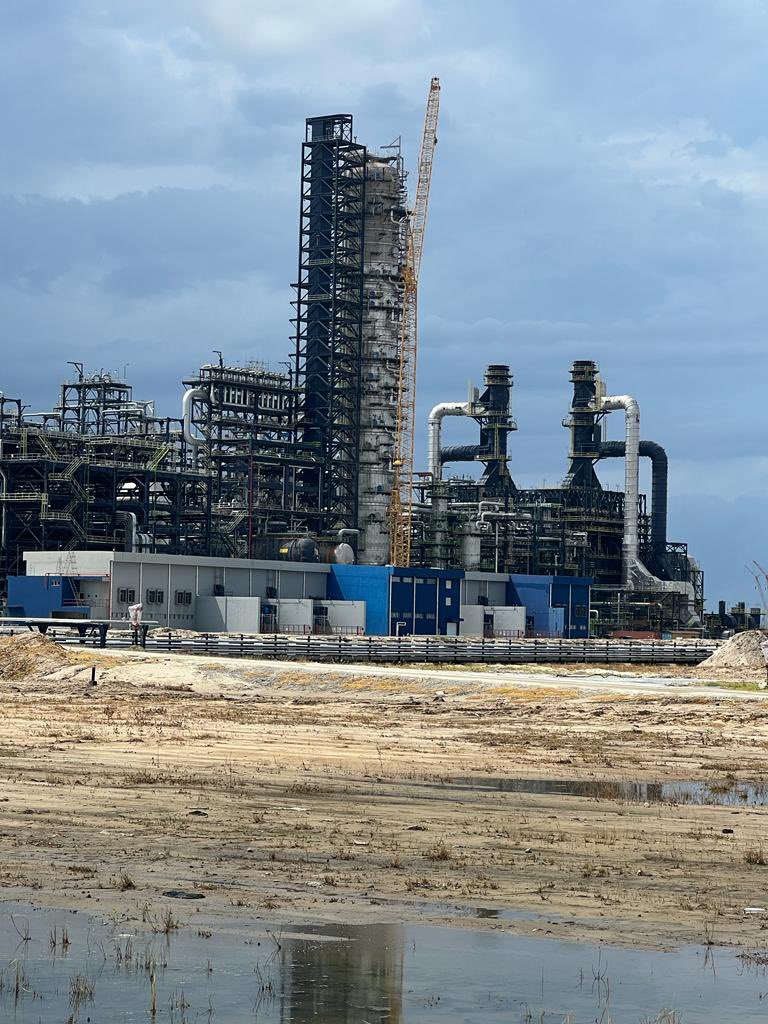
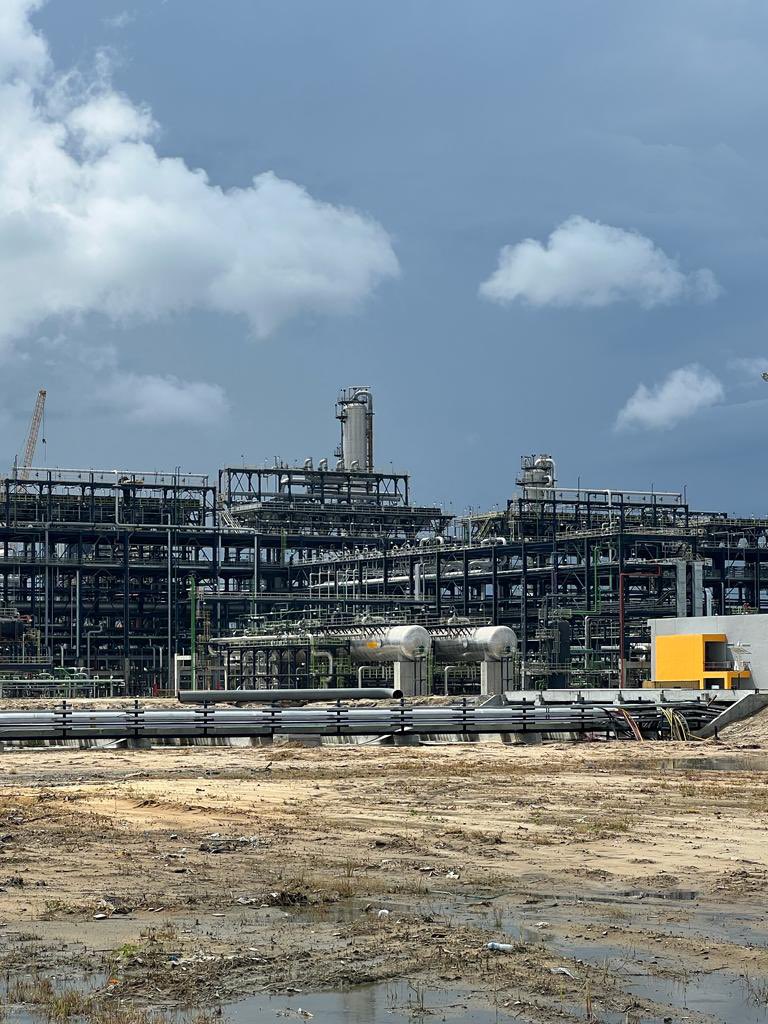

All you need to know about Dangote’s refinery and its economic importance to Nigerian:
Dangote Refinery is an ambitious project led by Aliko Dangote, a Nigerian business magnate and the richest person in Africa. It is a state-of-the-art oil refinery located in the Lekki Free Trade Zone in Lagos, Nigeria. Here’s what you need to know about Dangote Refinery and its economic importance to Nigeria:
- Project Overview: Dangote Refinery is set to be one of the largest oil refineries in the world. It has a planned refining capacity of 650,000 barrels per day (bpd), which exceeds Nigeria’s current domestic demand for petroleum products. The refinery is designed to process a variety of crude oil grades and produce high-quality fuels such as gasoline, diesel, jet fuel, and polypropylene.
- Cost and Investment: The project is estimated to cost around $15 billion, making it one of the largest single-train refinery projects globally. The majority of the funding comes from Aliko Dangote’s own company, the Dangote Group, with additional financial support from local and international lenders.
- Domestic Energy Security: Nigeria, despite being a major oil producer, has historically faced challenges in meeting its domestic demand for petroleum products. The completion of Dangote Refinery aims to address this issue by significantly reducing Nigeria’s reliance on imported refined products. It will enhance the country’s energy security and reduce the foreign exchange spent on importing petroleum products.
- Job Creation: The construction and operation of the refinery have generated substantial employment opportunities. During the construction phase, it provided thousands of jobs to engineers, technicians, and skilled workers. Once operational, the refinery is expected to create thousands of direct and indirect jobs, including positions in refining, petrochemicals, logistics, and ancillary industries.
- Industrialization and Downstream Development: Dangote Refinery plays a crucial role in promoting industrialization in Nigeria. Its establishment is expected to attract other industries, including petrochemical and manufacturing companies, to the Lekki Free Trade Zone. This will contribute to the growth of downstream industries, increase local production, and stimulate economic diversification.
- Export Potential: The surplus production capacity of Dangote Refinery offers significant opportunities for export. Nigeria can become a major exporter of refined petroleum products to neighboring countries and even globally. This has the potential to increase foreign exchange earnings, boost Nigeria’s export revenue, and improve the overall balance of trade.
- Downstream Value Addition: Apart from refining crude oil, the Dangote Refinery also includes petrochemical units that produce polypropylene and other valuable byproducts. These petrochemical products have various industrial applications, including plastics manufacturing, packaging, textiles, and construction materials. The refinery’s petrochemical complex will add value to Nigeria’s hydrocarbon resources and create additional revenue streams.
- Government Revenue and Economic Growth: The completion and successful operation of Dangote Refinery will significantly contribute to Nigeria’s economic growth and government revenue. The increased refining capacity will reduce importation costs, generate tax revenues, and boost downstream sectors. It will also create a favorable investment climate and attract further foreign direct investment to the country.
Overall, Dangote Refinery is a game-changer for Nigeria’s oil and gas industry and its broader economy. It addresses the country’s energy security concerns, promotes industrialization, creates employment opportunities, and enhances Nigeria’s role as a major player in the global refining sector.


Ex-IGP Adamu Emerges SDP Governorship Candidate In Nasarawa

Veekee James Drops Bombshell, Reveals Why Content Creation Is No Longer Enough

I Can’t Recreate It — Mr Eazi Reveals What Made Wedding With Temi Otedola Special

Mark Angel Drops Bombshell, Claims He Signed Two Top Nigerian Artistes

Lady Left In Shock After Trousers Tear At The Back Inside BRT

THE 18,439-VOTE MISSION WHY WADADA COULD BE TINUBU’S NASARAWA GAME CHANGER

Fake Agency Scandal: ICPC Recommends Punishment for 13 Officials — See Full List

Cement Hits ₦15,000: FCCPC Demands Answers From Dangote, BUA, Other Producers

Was The Sacrifice Worth It?” – El-Rufai’s Son Reveals What Father Told Him In Detention
