
Former Minister Osita Chidoka Criticizes Buhari’s Security Appointments And Warns Of Prolonged Recovery
 Follow us on Google News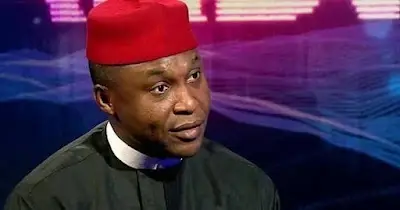
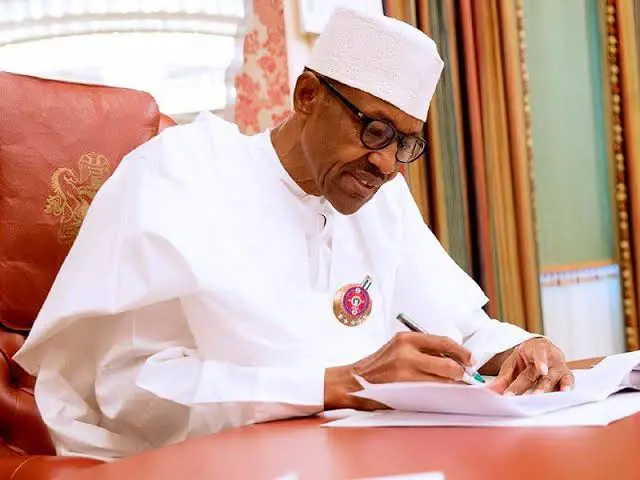
Former Minister of Aviation, Osita Chidoka, has strongly condemned former President Muhammadu Buhari for what he perceives as the detrimental impact of nepotistic and imbalanced appointments of service chiefs on Nigeria’s security framework….CONTINUE READING
Chidoka, a former Corps Marshal of the Federal Road Safety Corps, expressed his views during a televised interview on Wednesday.
Chidoka asserted that Nigeria’s extensive security challenges escalated during Buhari’s eight-year tenure, and he believes it will require a significant amount of time for the nation to overcome the resulting damage.
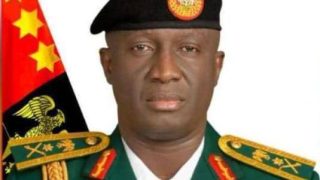
He pointed out that the highest echelons of the Police, Army, and the Department of State Services have been filled with individuals he views as lacking in intelligence and competence, which has adversely affected the management of the country’s security agencies.
Chidoka remarked, “There is a widespread breakdown of security in the country. It was exacerbated during the eight years when former President Muhammadu Buhari was in power due to his biased and nepotistic appointment of service chiefs.
“He undermined the integrity of the security agencies, and I believe it will take us many years to recover from this devastation.
“However, if we look beyond his era, we will find that a significant part of the problem lies in our tendency to treat our security agencies as avenues for providing employment to individuals who have political connections or affiliations with us, rather than based on their qualifications.
“A close examination of the police budget reveals that a staggering 90 percent is allocated for salary payments, leaving only a meager four or five percent for recruitment expenses.
“This dire financial allocation forces security personnel to seek alternative means to meet their urgent needs, which in turn has contributed to a breakdown in security. This issue is not confined to the South-East geopolitical zone alone.”





Comments
0 comments