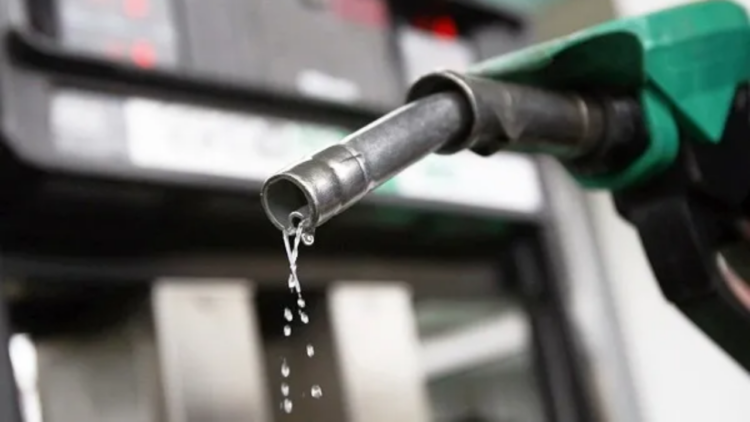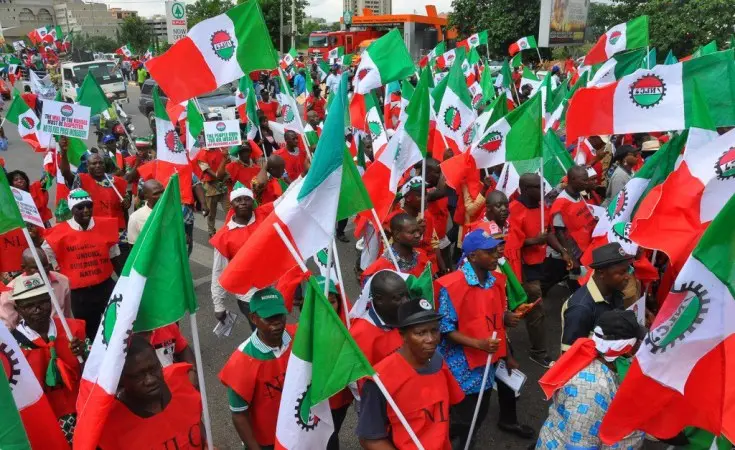

In response to media reports suggesting an impending increase in the pump price of Premium Motor Spirit (PMS), commonly known as petrol, the Nigeria Labour Congress (NLC) has issued a stern warning that it will launch a nationwide strike if the product’s price surpasses the current rate of N617 per liter.
The labor union emphasized that it would initiate the strike without any prior notice.
Following the removal of fuel subsidy by President Bola Ahmed Tinubu upon assuming office on May 29 of this year, the petrol price has surged twice: from N194 per liter to N537 on May 30, and further to N617 on July 19 of this year.
These escalations have sparked tensions between the government and the Labor sector, which has already engaged in protests and threatened additional industrial actions….CONTINUE READING
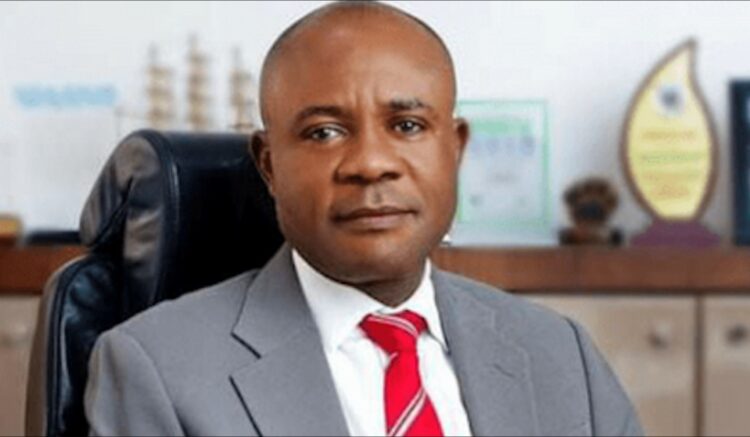
During the African Trade Union Alliance meeting in Abuja, NLC’s national president, Comrade Joe Ajaero, sounded the alarm, asserting that the unions would vehemently oppose any more price hikes.
Although NNPC Limited has yet to officially announce a new price increase, certain media reports have hinted at a potential hike to N720.
Ajaero expressed dismay over purported plans to raise the pump price of petrol once again, underscoring his concern that such a development would inflict further hardships on Nigerians.
He stated, “Presently, there are deliberations regarding raising the pump price of petroleum products. For some time now, the Ministry of Labour has only been presented with a so-called injunction by the Ministry of Justice to restrain Labor from responding.”
He continued, “However, let me make this clear: Nigerian workers will not issue any notice if we haven’t addressed the consequences of the previous two increases and then wake up to discover that the prices have been tampered with once more.”
Ajaero highlighted the detrimental effects of the government’s flawed economic policies, which have devalued workers’ wages. He urged the authorities to reconsider their strategies.
He emphasized, “If the policies causing inflation and currency devaluation are rectified, we could be content with our present situation. If the naira’s value equates to the dollar’s today, we would support maintaining the minimum wage at N30,000.”
“If inflation is held at bay, we would advocate for maintaining the status quo. However, given that inflation is rampant – acknowledged by the National Bureau of Statistics – with over 133 million Nigerians living in multidimensional poverty, these are the issues that require government attention.”
Ajaero concluded by cautioning that an abrupt wage increase could lead to further inflation, ultimately undermining its impact.