
Nigeria’s Ebola Preparedness Under Scrutiny As 15 States Reportedly Yet To Update Response Plans
 Follow us on Google News
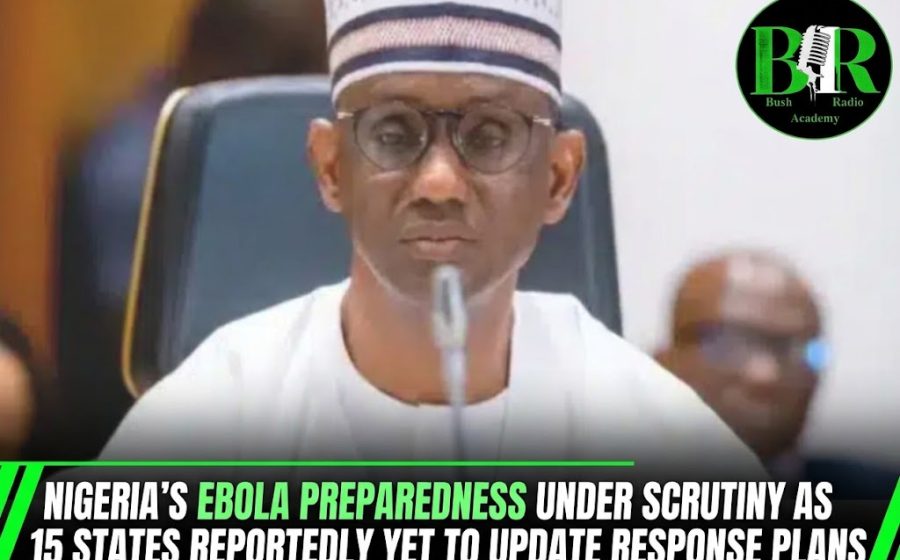
The Federal Government has raised concerns over Nigeria’s preparedness to contain Ebola following reports of lapses in screening procedures at the country’s entry points after the confirmation of an imported case in Abuja.
The Federal Ministry of Health and Social Welfare has directed relevant authorities to strengthen disease surveillance and ensure strict compliance with established screening protocols to reduce the risk of further transmission.
In a directive dated October 22, 2026, and signed by the ministry’s Permanent Secretary, Daju Kachollum, on behalf of the Minister of Health, Professor Muhammad Ali Pate, the government expressed concern over reported breaches in screening procedures and called for urgent action.
The confirmed case involves a woman who reportedly arrived in Nigeria from Uganda and was diagnosed with the Bundibugyo strain of the Ebola virus. She has been placed in isolation, while health officials have identified 44 contacts for monitoring.
According to Bush Radio Academy, the development has renewed questions about the country’s capacity to respond effectively to a possible outbreak, particularly regarding the availability of isolation facilities and the readiness of state governments to implement emergency measures.
Concerns have also been raised over the reported conversion of a facility in Yaba, Lagos, previously used for infectious disease management, for use by nursing students at Lagos State University. The development has prompted questions about the availability of suitable infrastructure for isolating and treating suspected cases.
Nigeria’s state-level preparedness has also come under scrutiny, with reports indicating that 15 states had yet to update their Ebola response plans. Other concerns include the availability of personal protective equipment, limited access to handwashing facilities in some public spaces and gaps in public awareness about preventing the disease.
Ebola is transmitted through direct contact with the blood or other bodily fluids of an infected person or animal, as well as contaminated materials. Symptoms may appear between two and 21 days after exposure, and infected individuals generally do not transmit the virus before symptoms develop.
Health authorities have repeatedly emphasised that early detection, prompt isolation, contact tracing and strict infection prevention measures are essential to controlling outbreaks and reducing the risk of transmission.
Nigeria experienced an Ebola outbreak in 2014, recording 20 cases and eight deaths. The experience highlighted the importance of coordinated surveillance, effective contact tracing and a rapid public health response.
The latest development has intensified calls for stronger screening at airports and other points of entry, adequate isolation facilities, updated emergency response plans and improved public education.
The Federal Government’s directive underscores the need for health authorities and state governments to address reported preparedness gaps promptly to minimise the risk of further spread.




Comments
0 comments