
Presidency Breaks Silence: Real Reason Tinubu Imposed 15% Import Duty on Fuel Products
 Follow us on Google News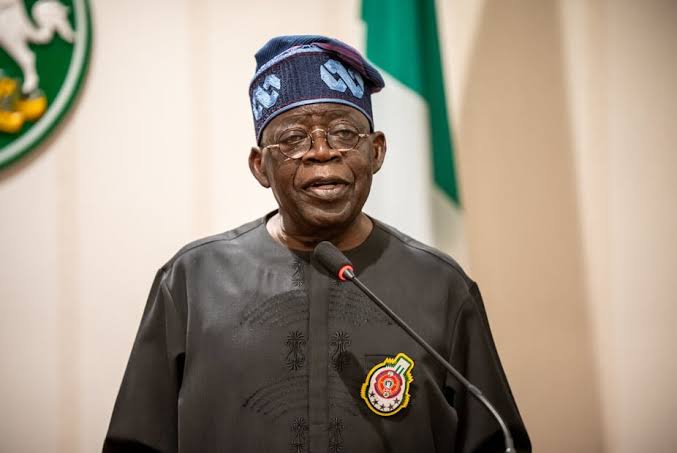
President Bola Ahmed Tinubu has approved a 15 percent import tariff on petrol and diesel, a move the Presidency says is designed to boost local refining, create jobs, and cut Nigeria’s reliance on imported fuel.
In a statement issued Friday, Sunday Dare, Special Adviser to the President on Media and Public Communications, described the decision as “a bridge, not a burden,” noting that the tariff marks a strategic shift toward energy self-sufficiency and sustainable growth.
“It’s no longer news that President Bola Ahmed Tinubu has approved a 15 percent import duty on petrol and diesel—a bold and forward-looking policy to reshape Nigeria’s energy landscape,” Dare wrote on X.
According to him, the initiative seeks to correct Nigeria’s decades-long dependence on imported petroleum products, which has drained foreign exchange and limited domestic opportunities.
“This policy will encourage local refining, enhance capacity, and ensure that our oil wealth translates directly into national prosperity,” he added.
Dare explained that the import tariff would make foreign products less competitive, giving domestic refineries—such as Dangote, Port Harcourt, and other modular plants—a market advantage and paving the way for a self-reliant energy sector.
“As local refining expands and supply stabilizes, prices will gradually become more predictable while employment and investments rise. This policy is not a burden but a bridge—from dependence to independence, from vulnerability to strength,” Dare said.
However, the decision has drawn mixed reactions from industry stakeholders. Some petroleum marketers and depot operators warned that the tariff could push fuel prices beyond ₦1,000 per litre.
An anonymous depot operator told Punch: “The price of fuel may go above ₦1,000 per litre. I don’t know why the government will be adding more to people’s suffering.”
Similarly, IPMAN Vice President, Hammed Fashola, acknowledged that while the move may support local refiners, it risks being seen as a step toward monopolizing the market.
“The 15 percent tariff has its own implications. Prices may go up, and importers could be discouraged if importation becomes too expensive,” Fashola said.
The tariff was formally approved in a presidential directive dated October 21, 2025, addressed to the Attorney-General of the Federation, FIRS, and NMDPRA. It forms part of a new market-responsive import tariff framework, set to take effect after a 30-day transition period ending November 21, 2025.







Comments
0 comments