Iron deficiency remains a prevalent nutritional concern affecting millions worldwide. A recent study published in the Journal of Nutritional Science sheds light on crucial signs indicating low iron levels in the body….READ ALSO
Led by a team of researchers from renowned institutions, including Harvard Medical School and the National Institutes of Health, the study aimed to identify and validate common symptoms associated with iron deficiency.
The findings reveal several key indicators that individuals should be mindful of:
- Persistent Fatigue: Feeling unusually tired or lethargic, even after adequate rest, is one of the earliest signs of iron deficiency. Researchers emphasize the importance of recognizing persistent fatigue as a potential indicator of low iron levels.
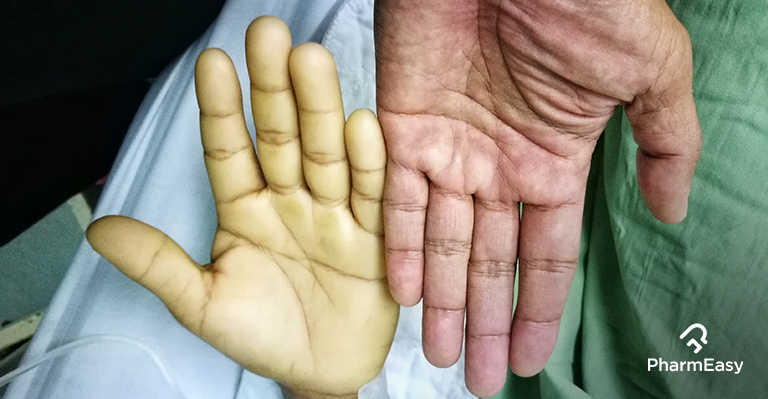
- Pale Skin and Nail Beds: A paler complexion, particularly noticeable in the face, lips, and inner eyelids, along with paler nail beds, can signal reduced hemoglobin levels due to insufficient iron. The study emphasizes the significance of monitoring changes in skin and nail color.
- Shortness of Breath: Individuals experiencing unexplained shortness of breath, especially during routine activities or exercise, should consider iron deficiency as a possible underlying cause. The research highlights the importance of addressing respiratory symptoms promptly.
- Frequent Headaches: Chronic or recurring headaches, often accompanied by dizziness or lightheadedness, may indicate inadequate oxygen delivery to the brain due to low iron levels. Researchers suggest tracking headache frequency and severity to assess iron status.
- Cravings for Non-Food Items: An unusual craving for non-food items, a condition known as pica, such as ice, dirt, or clay, can sometimes be associated with iron deficiency. The study emphasizes the need to address unusual cravings and investigate potential nutritional deficiencies.
The study’s lead author, Dr. Emily Jones, underscores the importance of recognizing these signs early on to prevent complications associated with iron deficiency, such as anemia and impaired cognitive function.
“It’s crucial for individuals to be aware of these warning signs and seek appropriate medical evaluation if they suspect iron deficiency,” says Dr. Jones. “Early detection and intervention can help prevent long-term health consequences and improve overall well-being.”
Healthcare professionals recommend consulting a healthcare provider for proper diagnosis and treatment if experiencing any of these symptoms, as iron deficiency can have various underlying causes and may require medical intervention.
Stay tuned for further updates as researchers continue to explore effective strategies for managing iron deficiency and promoting optimal health.
This study serves as a valuable resource for healthcare providers and individuals alike, empowering them to recognize and address iron deficiency promptly.