
Latest
Solar Upgrade For The Presidency: ₦7 Billion Set Aside For Aso Rock Villa

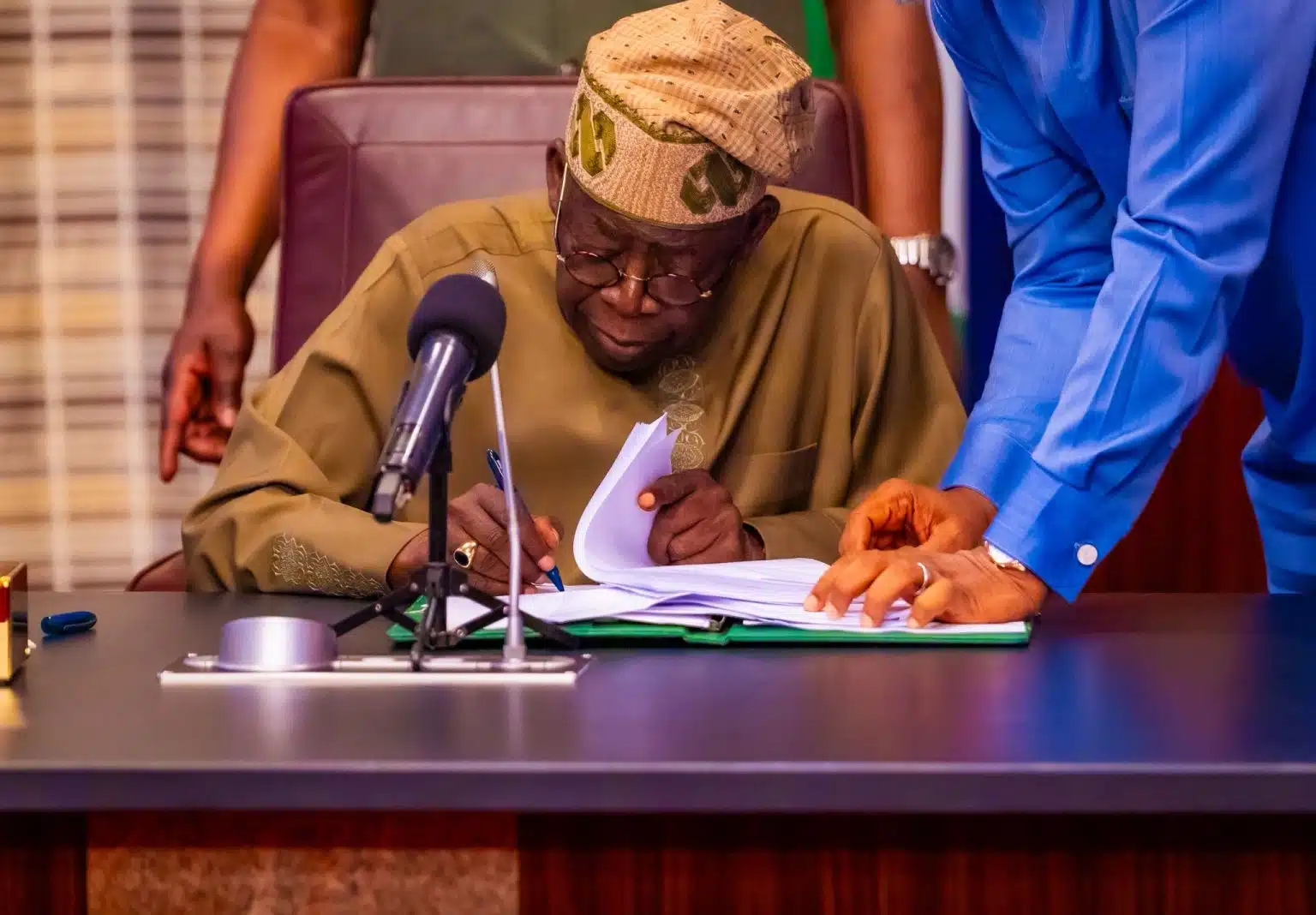
The administration of President Bola Tinubu has allocated an additional ₦7 billion for the solarisation of the Presidential Villa, continuing a similar initiative first launched in 2025.....KINDLY READ THE FULL STORY HERE▶
According to Sahara Reporters, the amount is included in the State House expenditures for the 2026 fiscal year and is intended to fund the installation of a solar mini-grid at the Villa, which serves as the residence of the President and key government officials. The allocation is listed in the Budget Office of the Federation documents under “provision of solarisation of Villa with solar mini-grid.”
This follows a ₦10 billion investment in 2025 for the same purpose, reflecting the government’s ongoing commitment to renewable energy for Aso Rock.
The project has attracted public criticism, especially considering the persistent electricity shortages affecting millions of Nigerians. Critics have questioned the timing of such a substantial expenditure, arguing that the administration should prioritise addressing the broader power crisis before investing heavily in the Villa.
In response, Presidential spokesperson Bayo Onanuga defended the initiative, describing it as a long-term investment in sustainability and energy efficiency. “The White House in Washington D.C. uses solar power. We are not reinventing the wheel. We are following a tested and globally accepted model for powering important national institutions sustainably,” Onanuga said.
The move to solar comes amid ongoing power challenges nationwide. In April 2025, Nigeria’s national grid collapsed, plunging much of the country into darkness as electricity generation fell from over 2,000 MW to just 139.92 MW within an hour. A similar collapse occurred in September 2025, affecting major cities, including Lagos.
Despite efforts to improve power generation, the country continues to experience inconsistent electricity supply. Even a brief surge to 6,000 MW in March 2025 quickly dropped below 1,000 MW, highlighting the fragility of the national grid.
As citizens demand reliable electricity for homes, businesses, and essential services, the allocation for the Presidential Villa’s solarisation has sparked debates over government priorities in addressing Nigeria’s ongoing energy crisis.


Tinubu Reveals Why He Approved Sweeping NYSC Reforms

Fresh Twist: Court Allows Alison-Madueke To Tender UK Acquittal In Asset Case

Plateau Governor Appoints Ex-General As Special Adviser On Security

Fresh Political Drama As Umahi Dares Peter Obi To Face Him In Debate

Fresh Twist In ₦98.5bn Case As Court Pushes CBN, NIBSS Towards Settlement

History in Edo: Okpebholo Nominates Enugu-born Martin Oli as Commissioner

Momoh Receives National Youth Group, Reaffirms Commitment to Youth Empowerment and Regional Development

Sh*cking Police Shake-Up As Oyigbo DPO Is Removed Over ₦500,000 Bribery Allegation

OSHIOMHOLE’S ENDURING INFLUENCE: WHY EDO NORTH REMAINS CRUCIAL TO TINUBU’S 2027 CALCULATIONS
