
Latest
Tension At Border As Chad Arrests Nigerian Refugees Over Boko Haram Allegations

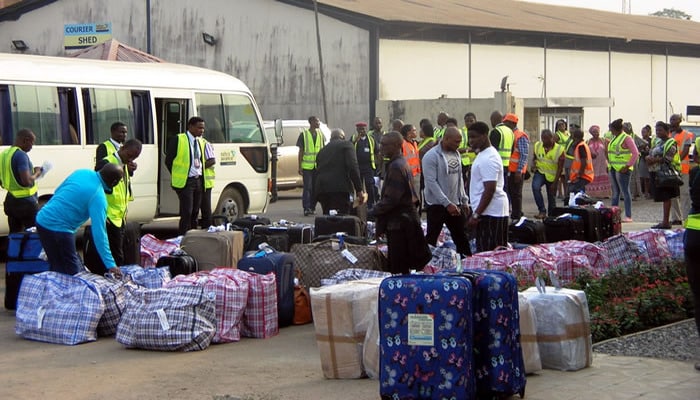
Hundreds of Nigerians who fled insecurity in search of safety have reportedly been arrested and deported by authorities in Chad, raising fresh concerns over the treatment of refugees and migrants in the Lake Chad region.....KINDLY READ THE FULL STORY HERE▶


Latest54 minutes ago
System Has Failed Us” — Peter Obi Reacts To EFCC Allegation On Student Fraud Case

Latest1 hour ago
Political Tension Rises As Fayose Questions Supreme Court Delay In Party Disputes

Latest1 hour ago
Delta State Case Heats Up As Fresh Allegations Hit Officer In Fatal Shooting

Latest1 hour ago
Dangote Refinery Sh*cks Market With Fresh Petrol Price Increase

Latest1 hour ago
Delta State Tragedy: Police Reveal New Details On Officer’s Role In Fatal Incident

Latest1 week ago
Breaking: Federal Government Of Nigeria Bans Cement Importation, Releases Full List Of Restricted Goods

Latest1 week ago
Supreme Court Shocks Kano Emirate Case, Adjourns Hearing Till 2027

Latest1 week ago
Breaking: Complete List Of Charges Filed Against Timipre Sylva And Alleged Coup Network Exposed

Latest1 week ago
Drama In Court As Nine Exhibits Against Malami, Family Are Accepted As Evidence

Latest1 week ago