
Politics
Operators Warn Data Centres At Risk Due To Naira Crisis

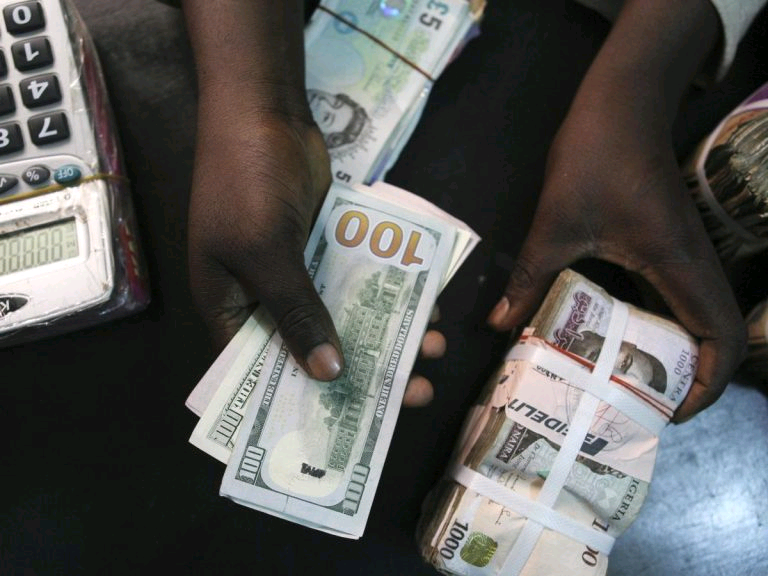
Operators Warn Data Centres At Risk Due To Naira Crisis....KINDLY READ THE FULL STORY HERE▶
Nigerian data centre operators have raised alarms about an imminent collapse of the sector, attributing the crisis to the naira’s continued devaluation against the dollar and a lack of long-term financing options…….CONTINUE READING
Ikechukwu Nnamani, CEO of Digital Realty Nigeria, highlighted that about 90 percent of the investment for building new data centres involves imported infrastructure, making the sector extremely sensitive to exchange rate fluctuations. He explained that a naira devaluation can reduce revenue by up to 40 percent due to the need to convert costs from dollars to naira.
The naira has significantly depreciated since President Bola Tinubu’s monetary reforms began in May 2023, contributing to Nigeria’s broader economic crisis. Data centres, which rely heavily on stable power supplies, are particularly vulnerable due to high energy costs and inflation. This combination threatens their financial viability and expansion capabilities, which are vital for Nigeria’s digital economy.
Nnamani illustrated the problem using an example: If a kilowatt of IT load is priced at $500 and the naira depreciates from N1,500 to N2,000 per dollar, the effective revenue in dollars drops, disrupting the financial models used to attract investments.
Despite recent investments from major players like Microsoft, Meta, and MTN, Nnamani expressed concern that many operators could face severe financial difficulties without access to long-term, affordable funding. He criticized the short-term return expectations of Nigerian banks, which he views as unsustainable for the sector.
Dan Croft of the International Finance Corporation noted that while capital investment in Africa remains stable at around $8.5 billion in recent years, investing in Nigeria is complicated by macroeconomic factors. He emphasized that innovation and exploring local capital guarantees are crucial to navigating these challenges. Croft also pointed out that energy solutions like solar power face hurdles due to their intermittent nature, while alternative sources such as hydroelectric power are delayed by long development timelines and financial issues.



Breaking: Marco Rose To Take Charge At Bournemouth On Long-Term Deal

Political Tension Rises As Baba-Ahmed Challenges Tinubu, Calls Reforms Unrealistic

It’s Not Easy’ – Don Jazzy Reveals Hidden Challenges With Label Stars Like Ayra Starr

Breaking: Tinubu Approves New Police Academy Campus, Releases ₦15 Billion Funding

Controversy Erupts As Pastor Ibiyeomie Boasts: ‘I Will Be Stinkingly Rich Regardless

Breaking: Federal Government Of Nigeria Bans Cement Importation, Releases Full List Of Restricted Goods

Supreme Court Shocks Kano Emirate Case, Adjourns Hearing Till 2027

Here’s What Happened” — Ex-Army Chief Buratai Speaks On Borno Airstrike Tragedy

Succession Buzz: Olusi Reveals Who May Replace Sanwo-Olu In 2027
