
Latest
Heat Alarm Before World Cup! Nigeria Faces Tough Travel & Weather Challenges Ahead Of USA 2026

The 2026 FIFA World Cup 2026 is expected to be the largest tournament in football history, with 48 national teams set to compete across North America between June 11 and July 19....KINDLY READ THE FULL STORY HERE▶
The competition, jointly hosted by United States, Canada, and Mexico, will conclude at the New York/New Jersey final venue after matches are staged in major cities including Los Angeles, Miami, Dallas, Toronto, Vancouver, Mexico City, and Monterrey.
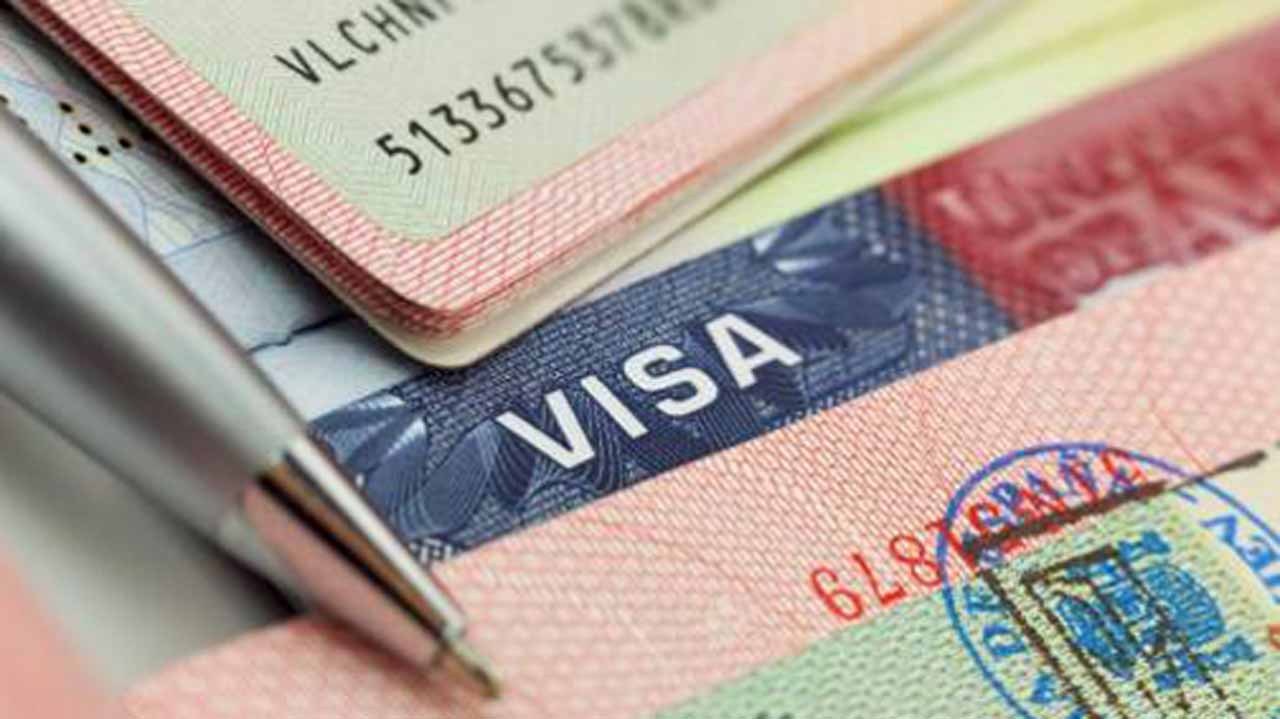
Stretching across an entire continent, the tournament is projected to draw massive international attendance. US authorities have already advised fans worldwide to complete visa and travel processes early ahead of what is being described as a historic global sporting event.
However, Nigeria will not participate in the tournament after failing to secure qualification, losing out to the Democratic Republic of the Congo.
Checks on the US Department of State website on Thursday also showed that Nigerians remain among nationals affected by limited entry measures under Presidential Proclamation 10998, which has been in effect since January 1, 2026.
Back in February, the Nigerian government disclosed that it had opened diplomatic discussions with the United States in an effort to have Nigeria removed from the category impacted by Washington’s immigrant visa restrictions. But with the tournament now approaching rapidly, no major policy adjustment has been announced.
The development means Nigerian sports journalists and football fans could still encounter travel difficulties, although visa applications may still be processed under specific conditions without any certainty of approval. Observers have also noted that travel guidelines issued for some countries, including Ghana, appear less restrictive and more clearly defined.
The US Department of State, however, insists that strict visa screening and security checks remain necessary to safeguard the country and everyone participating in the tournament.
Beyond travel concerns, climate experts and medical researchers are now raising alarms over possible extreme heat conditions during the World Cup.
According to an open letter cited by BBC Sport, climate scientists, sports researchers, and medical professionals have urged FIFA to strengthen player protection measures proposed by the global players’ union, FIFPRO.
Andrew Simms, who coordinated the letter, warned that overheating during matches could become a serious health risk for players.
“Player safety is an immediate concern because situations can deteriorate rapidly once athletes begin overheating,” he said, adding that there are fears FIFA may be underestimating the risks involved.
The experts estimated that nearly a quarter of the tournament’s matches could take place under conditions exceeding 26°C Wet Bulb Globe Temperature (WBGT), a recognised index used to measure heat stress.
They further warned that about five matches could surpass 28°C WBGT, temperatures considered dangerous for elite football competition.
Researchers say the likelihood of extreme heat conditions has almost doubled compared to the 1994 World Cup hosted in North America. Other environmental concerns identified include thunderstorms and wildfire smoke.
In response, FIFA said it plans to introduce a layered heat-management system alongside advanced weather monitoring across host cities. Match schedules have also reportedly been adjusted to reduce exposure to peak daytime temperatures and make greater use of covered stadiums where available.
Despite those measures, critics argue that worsening climate conditions are beginning to pose deeper questions about the sustainability of hosting major summer sporting events in the future.


Sh*ck Move: Kano Governor Orders All Political Appointees To Join APC

BREAKING: Nigerian Injured In Devastating Qatar Gas Explosion, FG Confirms

Full List: World Cup Round Of 32 Confirmed After Dramatic Group-Stage Finale

Sh*ck In Adamawa As Agriculture Commissioner D!es In Abuja

BREAKING: Latest Dollar To Naira Exchange Rate For June 28, 2026 Revealed

History in Edo: Okpebholo Nominates Enugu-born Martin Oli as Commissioner

Momoh Receives National Youth Group, Reaffirms Commitment to Youth Empowerment and Regional Development

Sh*cking Police Shake-Up As Oyigbo DPO Is Removed Over ₦500,000 Bribery Allegation

Dollar To Naira Sh*ck: Fresh Exchange Rate Revealed For June 21, 2026
