Connect with us

Latest

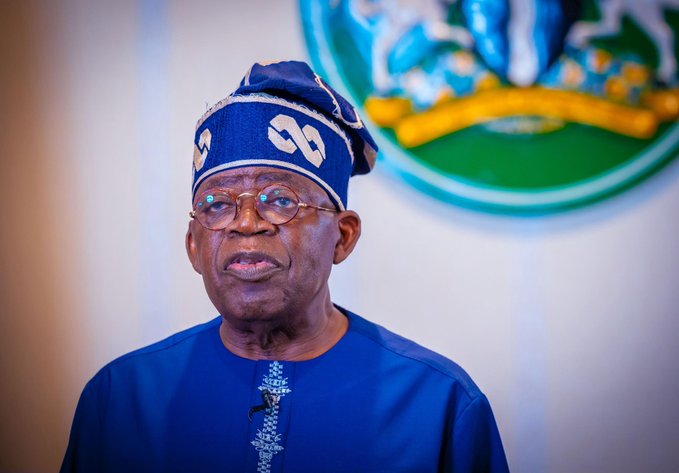
Tinubu Reveals Why He No Longer Reads Newspapers, Sparks Public Debate

Published

on

President Bola Tinubu has revealed that he stopped reading newspapers and commentary in order to reduce distractions and criticism surrounding his administration’s economic reforms.....KINDLY READ THE FULL STORY HERE▶

Tinubu made the remark on Friday at the Africa CEO Forum in Kigali, Rwanda, where he defended the tough policy decisions taken at the beginning of his tenure, insisting that reforms were difficult but necessary for national survival.

He argued that Nigeria could no longer continue spending resources meant for future generations, stressing that economic restructuring was unavoidable.

According to him, the country had reached a critical point where continued subsidy payments and other unsustainable practices were no longer viable.

He described the situation as one that encouraged inefficiency, including smuggling and falsification of records, adding that the economy was at risk of collapse.

Tinubu noted that many of the country’s 36 states were unable to pay workers’ salaries at the time, while Nigeria, despite being an oil-producing nation, lacked functional refineries.

He said the situation was unsustainable and required urgent intervention, even if the reforms were painful.

Comparing the process to childbirth, he said reforms often involve hardship before eventual progress and stability.

The president also said Nigeria still faces significant challenges despite reforms such as fuel subsidy removal and foreign exchange unification, but added that further progress would be pursued if he secures a second term.

He explained that criticism of the reforms felt like “sitting on a hot burner,” but maintained that the economy is now more stable, predictable, and better positioned for planning and investment.

Tinubu added that his policies have enabled government support for education and social welfare, particularly for vulnerable families who previously could not afford schooling.

He stated that his leadership philosophy is rooted in making difficult but necessary decisions at the right time, even in the face of public backlash.

According to him, avoiding excessive exposure to negative commentary helped him stay focused on implementing reforms.

He concluded that while the reforms were painful, they are beginning to show positive outcomes, including improved currency stability, better fiscal planning, and expanded support for disadvantaged households.

Advertisement
Click to comment

Leave a Reply

Your email address will not be published. Required fields are marked *