Stroke Awareness: Knowing The Early Symptoms Can Save Lives”....KINDLY READ THE FULL STORY HERE▶
In the realm of health consciousness, understanding the early signs of a stroke can be the difference between life and death. Recognizing stroke symptoms early and taking immediate action is crucial for minimizing potential damage and maximizing recovery. Here’s a comprehensive guide on how to identify these symptoms and prevent strokes….READ ALSO
Understanding Stroke: A stroke occurs when the blood supply to the brain is disrupted, either by a blockage in the blood vessels (ischemic stroke) or the rupture of blood vessels (hemorrhagic stroke). In either case, prompt medical attention is essential.
Early Signs of Stroke:
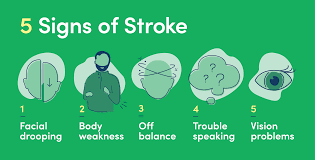
- Facial Drooping: One side of the face may droop or become numb. Ask the person to smile to check for asymmetry.
- Arm Weakness: Weakness or numbness in one arm is a common symptom. Ask the person to raise both arms to see if one drifts downward.
- Speech Difficulty: Slurred speech or difficulty speaking coherently is another sign. Ask the person to repeat a simple sentence to assess their speech.
- Vision Problems: Sudden blurred or blackened vision in one or both eyes may occur.
- Severe Headache: A sudden, severe headache with no known cause can indicate a stroke, especially when accompanied by other symptoms.
Preventive Measures:
- Manage Hypertension: High blood pressure is a leading cause of strokes. Regular monitoring and management of blood pressure through lifestyle changes or medication are crucial.
- Healthy Diet: Adopting a diet rich in fruits, vegetables, whole grains, and lean proteins while limiting salt, sugar, and saturated fats can lower stroke risk.
- Regular Exercise: Engaging in physical activity for at least 30 minutes most days of the week can help control weight, blood pressure, and cholesterol levels.
- Quit Smoking: Smoking damages blood vessels and increases the risk of blood clots. Quitting smoking reduces stroke risk significantly.
- Limit Alcohol Consumption: Excessive alcohol intake raises blood pressure and can contribute to stroke risk. Moderation is key.
Seeking Immediate Help: If you suspect someone is having a stroke, remember the acronym FAST:
- F: Facial drooping
- A: Arm weakness
- S: Speech difficulty
- T: Time to call emergency services
Conclusion: Early recognition of stroke symptoms is paramount for swift intervention and better outcomes. By understanding these symptoms and taking preventive measures, individuals can significantly reduce their risk of experiencing a stroke and protect their overall health and well-being.