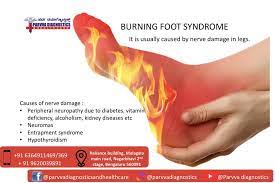
Exploring The Root Causes Of Leg Burning Sensation And Ache
The sensation of burning and aching in the legs can be perplexing and distressing, often disrupting daily activities and causing discomfort. Unraveling the underlying causes behind this phenomenon is key to finding relief and restoring vitality. Here, we embark on a journey to uncover the mysteries behind leg discomfort:…READ ALSOLagos Teacher Docked For Alleged Defilement Of 3-Year-Old Pupil
- Muscle Fatigue and Overexertion: Intense physical activity or prolonged standing can strain the leg muscles, leading to fatigue and a burning sensation. Incorporating rest periods and gentle stretches into your routine can help alleviate this discomfort.
- Poor Circulation: Reduced blood flow to the legs, stemming from factors like prolonged sitting or underlying health conditions, can result in aches and a burning sensation. Engaging in regular exercise, elevating the legs, and wearing compression stockings are strategies to enhance circulation.
- Peripheral Neuropathy: Damage to the nerves in the legs, often associated with conditions like diabetes or vitamin deficiencies, can cause tingling, numbness, and a burning sensation. Managing underlying health conditions and adopting a healthy lifestyle can mitigate these symptoms.
- Venous Insufficiency: When the veins struggle to efficiently transport blood back to the heart, it can lead to discomfort, swelling, and a burning sensation in the legs. Elevating the legs and wearing compression garments can alleviate symptoms and promote better venous circulation.
- Musculoskeletal Issues: Conditions such as sciatica, muscle strains, or ligament sprains can manifest as leg pain and burning sensations. Implementing targeted exercises, maintaining proper posture, and seeking physical therapy can offer relief from musculoskeletal discomfort.
- Peripheral Artery Disease (PAD): A condition characterized by narrowed arteries in the legs, PAD restricts blood flow to the extremities, causing pain, cramping, and burning sensations. Lifestyle modifications, medications, and vascular procedures may be necessary to manage PAD symptoms effectively.
- Medication Side Effects: Certain medications, including statins, diuretics, and chemotherapy drugs, can cause leg discomfort, including burning sensations and aches, as a side effect. Consulting with a healthcare professional to adjust medications or explore alternative treatments may alleviate these symptoms.
- Inflammatory Conditions: Inflammatory disorders like arthritis or tendonitis can trigger leg pain and burning sensations. Employing anti-inflammatory measures, such as cold therapy, rest, and gentle stretching, can help manage inflammation and alleviate discomfort.
- Nutritional Deficiencies: Inadequate intake of essential nutrients like potassium, magnesium, or vitamin B12 can contribute to leg discomfort and burning sensations. Adopting a balanced diet rich in fruits, vegetables, and lean proteins can address nutritional deficiencies and support overall leg health.
- Dehydration: Insufficient fluid intake can lead to dehydration, causing muscle cramps, fatigue, and a burning sensation in the legs. Prioritizing hydration by consuming ample water and electrolyte-rich beverages can prevent dehydration-related discomfort.
By unraveling the complex interplay of factors contributing to leg burning sensation and aches, individuals can take proactive steps to address underlying issues and restore comfort and vitality to their legs.