
Latest
Bad News For Households: Why Cooking Gas Prices May Not Drop Anytime Soon

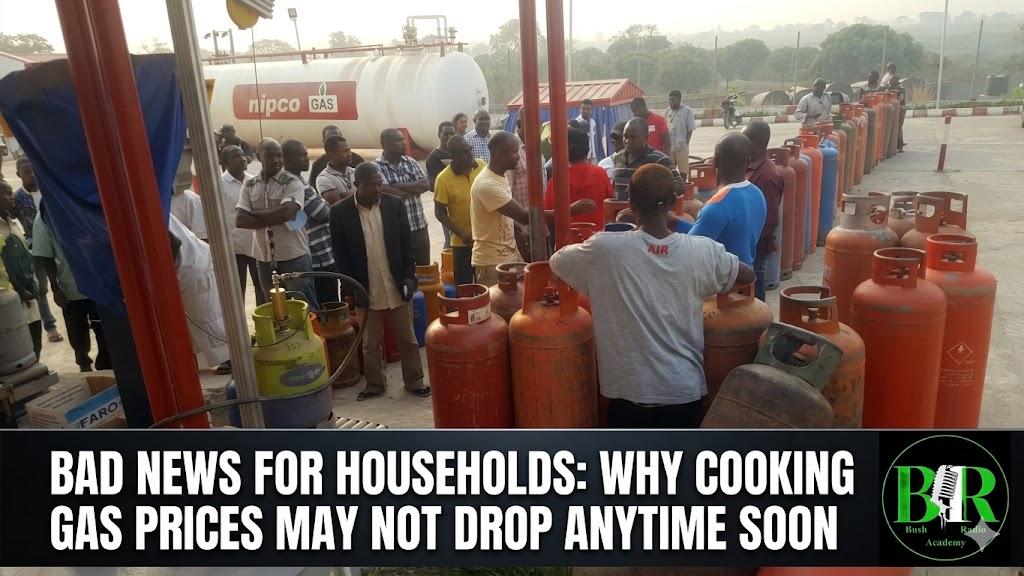
Nigeria is grappling with a worsening shortage of Liquefied Petroleum Gas (LPG), commonly known as cooking gas, despite possessing Africa’s largest proven gas reserves and recording higher production levels.
The supply shortfall has continued to drive up retail prices, increasing the financial burden on households and businesses nationwide.
According to data obtained from the Nigerian Upstream Petroleum Regulatory Commission (NUPRC), about 62 per cent of the country’s gas production during the first two months of the year was exported, while only 38 per cent was allocated to domestic consumption.
Industry experts have warned that the country’s gas supply framework, which was established when local demand was significantly lower, is no longer adequate to meet current consumption needs.
Findings from the Nigeria LPG Production & Supply Matrix (2023–2026) report revealed that national LPG consumption rose by 20 per cent, increasing from 1.5 million metric tonnes in 2023 to 1.8 million metric tonnes in 2026. However, total supply was estimated at between 1.55 million and 1.65 million metric tonnes, leaving a noticeable deficit in the market.
The report highlighted growth in domestic production, supported by facilities such as the Dangote Refinery, Nigeria LNG, and several gas processing plants. Despite this increase, supply has failed to keep pace with rising demand.
As a result, cooking gas prices have surged across the country. In many locations, LPG now sells for between ₦1,700 and ₦2,000 per kilogramme, compared to an average of about ₦1,100 per kilogramme earlier in the year.
Industry operators cautioned that prices may continue to rise unless underlying structural issues are addressed.
Experts attributed the shortage to several factors, including inadequate infrastructure, prioritisation of exports, insecurity, pipeline vandalism, insufficient storage capacity, and regulatory bottlenecks.
A stakeholder in the sector, who requested anonymity, said Nigeria lacks the necessary pipelines, storage facilities, and processing plants required to efficiently transport gas from production centres to end users. He also noted that producers often favour export markets because they provide higher revenues and more reliable foreign exchange earnings.
The Nigerian Association of Liquefied Petroleum Gas Marketers (NALPGAM) described the situation as a major challenge for both households and businesses.
The association’s National President, Edu Inyang, and Executive Secretary, Bassey Essien, said rising depot prices and persistent supply shortages have made cooking gas increasingly unaffordable for many Nigerians.
“This unfortunate situation has imposed severe hardship on millions of households, small-scale enterprises, food vendors, and low-income earners who depend on LPG for their daily cooking and means of livelihood,” they stated.
The association further warned that the rising cost of gas is forcing many families to return to alternative fuels such as firewood and charcoal.
Stakeholders in the oil and gas sector believe the outlook remains uncertain in both the short and medium term.
National President of the Oil and Gas Service Providers Association of Nigeria (OGSPAN), Colman Obasi, said challenges such as inadequate infrastructure, insecurity, foreign exchange instability, and regulatory hurdles would take considerable time to resolve.
He warned that Nigeria could continue to face recurring gas shortages despite its vast reserves unless substantial investments are made in gas processing, storage, and distribution networks.
Meanwhile, data from the National Bureau of Statistics (NBS) showed that cooking gas prices have risen by approximately 335 per cent over the past decade. The average price increased from ₦400 per kilogramme in 2016 to around ₦1,741 per kilogramme in 2026, reflecting the combined effects of supply shortages and broader economic pressures.


UK Makes Major Visa Change, Allows Slavery Victims To Escape Abusive Employers

Drama On Set Clemson Cornell Reveals Why Liz Benson Ran Away

Full List: Remaining Public Holidays In Nigeria For 2026

Emir Of Gumel, Ahmed Sani II, D!es In Egypt

Dalung Demands DSS Probe Over Senator Buba’s Alleged Bandit Link

WHY OKPEBHOLO KNOWS WHAT HE IS SAYING ABOUT TINUBU’S 2.5 MILLION VOTES

Fake Agency Scandal: ICPC Recommends Punishment for 13 Officials — See Full List

Cement Hits ₦15,000: FCCPC Demands Answers From Dangote, BUA, Other Producers

Was The Sacrifice Worth It?” – El-Rufai’s Son Reveals What Father Told Him In Detention
