
Latest
Buhari’s Former Aide Reveals Why Nigeria Has Failed To Move Forward

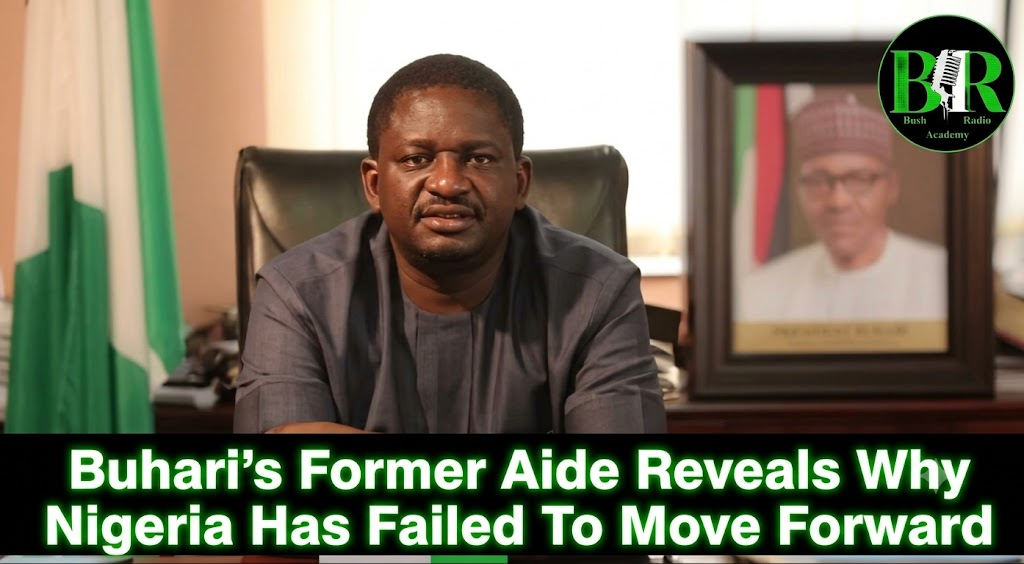
Former Special Adviser on Media and Publicity to late President Muhammadu Buhari, Femi Adesina, has called on Nigerian leaders to back their promises with concrete action, saying poor leadership and corruption continue to hinder the country’s progress.
Adesina made the remarks while delivering a lecture at the annual public event organised by the Foursquare Gospel Church, Aba Ibeji, in Oluyole Local Government Area of Oyo State.
He said many Nigerian youths remain frustrated due to limited employment opportunities and declining living standards, despite the country’s enormous human and natural resources.
According to Adesina, Nigeria possesses all the ingredients required for national development, including a vibrant youth population, abundant mineral resources, fertile agricultural land, and a strategic geographical location.
However, he argued that ineffective leadership and widespread corruption have prevented the country from translating those advantages into sustainable economic growth and prosperity.
“Nigeria has everything needed to move forward, including a large youthful population, rich natural resources, fertile land, and a good geographical location,” he said.
“Poor leadership and corruption are holding Nigeria back. Nigeria is endowed with both human and natural resources, but unfortunately, it has not translated them into wealth.”
Adesina further noted that successive administrations have made numerous promises that were never fully realised, urging current leaders to ensure that their actions reflect their commitments and deliver tangible benefits to citizens.
Dalung Questions Presidency Over PFIPC Controversy
Meanwhile, former Minister of Youth and Sports, Solomon Dalung, has criticised the Presidency’s response to allegations surrounding Prince Adeniyi Adeyemi Matthew and the disputed Presidential Foreign Intervention Promotion Council (PFIPC).
Dalung argued that the statement issued by presidential spokesman Bayo Onanuga failed to address key questions about how an agency the Presidency described as fictitious allegedly operated within government circles.
According to him, while the Presidency sought to clear the Chief of Staff to the President, Femi Gbajabiamila, of any wrongdoing, its explanation exposed what he described as significant lapses in government oversight.
Dalung questioned how Adeyemi allegedly obtained a forged appointment letter, operated from the Federal Secretariat, recruited personnel, engaged with government agencies, met diplomats, and reportedly secured a Central Bank of Nigeria (CBN) account without attracting official scrutiny.
He also called on the Presidency to explain reports that the alleged agency appeared in the national budget.
“If the council was fake, explain how it entered the budget,” Dalung said.
He noted that budget proposals undergo multiple stages of executive and legislative review before approval and asked who initiated, processed, and approved the alleged budgetary allocation.
Dalung also demanded an explanation for how office space was reportedly allocated to the agency within the Federal Secretariat and why the operation allegedly went undetected for so long.
He further raised questions about the reported death of Dolapo Babatunde Tanimola, whom investigators allegedly identified as the individual Adeyemi claimed assisted in obtaining the disputed appointment letter.
Dalung asked whether investigators conducted an autopsy, coroner’s inquest, or forensic examination of Tanimola’s communications and financial records.
While acknowledging that the allegations against Adeyemi are now before the court, Dalung maintained that accountability should extend beyond the prosecution of one individual.
He urged the Presidency to release documentary evidence, official timelines, and relevant records explaining the alleged agency’s inclusion in the national budget, its reported operations within the Federal Secretariat, and the apparent failure of government institutions to detect or prevent its activities.


THE 18,439-VOTE MISSION WHY WADADA COULD BE TINUBU’S NASARAWA GAME CHANGER

SALIU MUSTAPHA: YOU CAN DENY HIM A PARTY TICKET—BUT YOU CANNOT CONFISCATE THE GRASSROOTS

Transfer Boost: Kingsley Ehizibue Joins Genoa As Victor Orakpo Moves To Turkey

EPL Showdown: Arsenal, Chelsea Clash In Battle For London Supremacy

Continental Glory: Ikpeme Backs Edo Queens, Rangers, Others To Make Nigeria Proud

WHY OKPEBHOLO KNOWS WHAT HE IS SAYING ABOUT TINUBU’S 2.5 MILLION VOTES

Fake Agency Scandal: ICPC Recommends Punishment for 13 Officials — See Full List

Cement Hits ₦15,000: FCCPC Demands Answers From Dangote, BUA, Other Producers

Was The Sacrifice Worth It?” – El-Rufai’s Son Reveals What Father Told Him In Detention
