Politics
Cash Scarcity Spells Doom For Banks’ Multi-Billion Naira Cashless Initiatives

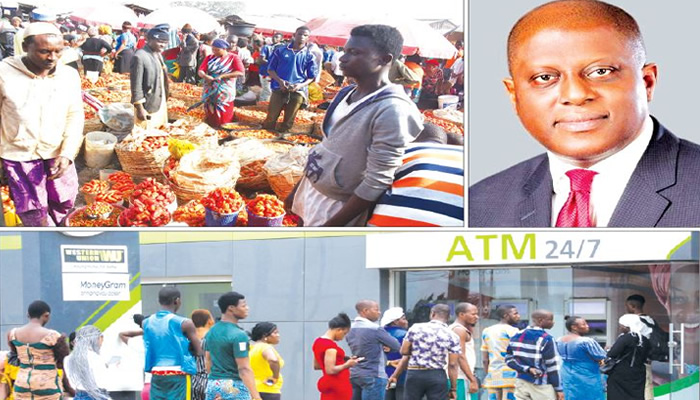
Cash Scarcity Spells Doom For Banks’ Multi-Billion Naira Cashless Initiatives....KINDLY READ THE FULL STORY HERE▶
In 2022, the Central Bank of Nigeria (CBN) unveiled plans to redesign the naira and promote cashless transactions within the country. Although intended to streamline the payment system, the initiative faced various challenges, leading to widespread discontent among Nigerians….CONTINUE READING
The impact of the currency redesign became evident in early 2023, as individuals like Isa Yusuf, a fruit seller at Mile 12 Market, and Abebi Saka, who sells perishable items at Ketu market, voiced their struggles. Many faced difficulties accepting digital payments and experienced delays in transactions, contributing to a decline in business activities.
The CBN’s decision to redesign certain naira denominations was announced by then-Governor Godwin Emefiele in October 2022. Emefiele emphasized the need to control currency circulation, combat counterfeit money, and discourage ransom payments. The new notes, exclusively for N100, N200, N500, and N1,000 denominations, were set to replace the older versions by January 31, 2023.
To complement the naira redesign, the CBN also revised cash withdrawal limits and encouraged the use of digital platforms for transactions. Emefiele highlighted the deployment of the Central Bank Digital Currency, e-Naira, as part of the broader effort to enhance financial inclusion and support the growth of the digital economy.
The CBN believed that the currency redesign would help address inflation by bringing hoarded currency back into the banking system, thus facilitating more effective monetary policy implementation. However, the combined impact of the redesign and reduced currency in circulation had unforeseen consequences, causing a rapid economic downturn.
The repercussions of the initiative became particularly pronounced on February 15, 2023, when riots erupted in Oyo, Ondo, Benue, and Kwara states due to the scarcity of cash. Residents expressed their frustration, and protests escalated, leading to incidents of violence in various locations.
In response to the unrest, the police had to intervene in several states, with clashes reported in Benin, Warri, Ibadan, Akure, Kwara, and Uyo. The rejection of old naira notes by banks and the scarcity of the redesigned notes fueled the public’s anger, resulting in protests and disruptions.
Tragically, incidents related to the cash scarcity led to human casualties. A pregnant woman, Shema’u Labaran, reportedly died due to her husband’s inability to pay medical bills in the new naira notes. Additionally, a Lagos State University staff member, Ademola Adesola, allegedly died while waiting in a bank queue in Ojo, Lagos.
Nigeria’s predominantly cash-based economy, where only about 38% of adults have bank accounts, made the transition challenging. The policy affected small businesses and daily transactions, particularly for market traders who were not accustomed to digital payments.
Despite Nigeria’s reputation for a robust digital infrastructure, the stress test revealed inadequacies in supporting a transition to a cashless economy. The World Bank emphasized that the country’s digital and financial infrastructure needed improvement to fully support such a shift.
For more information join our whatsapp group by clicking the link here: WhatsApp Group Invite


Doctor Who Evaluated Nnamdi Kanu Reportedly Arrested, Raises Fresh Questions

Former Benue SSG Dies In Suspected Bandit Attack as Fresh Details Surface

Where Is Stanley Ugagbe?” — NUJ Demands Immediate Release Of Missing Journalist

Diplomatic Tension As South Africa Dismisses Compensation Request For Repatriated Nigerians

African Football Giants Set For Host Battle As CAF Opens AFCON 2028, 2032, 2036 Bids

History in Edo: Okpebholo Nominates Enugu-born Martin Oli as Commissioner

Momoh Receives National Youth Group, Reaffirms Commitment to Youth Empowerment and Regional Development

FG Names Gbajabiamila, 10 Others As Key Witnesses In Controversial Presidential Agency Case

If The Agency Doesn’t Exist, Why Was I Meeting Its Heads?” Adeniyi Adeyemi Challenges Presidency