
Latest
Dangote Takes Drastic Action, Set To Stop Petrol Sales To Matrix, NIPCO, 4 Others

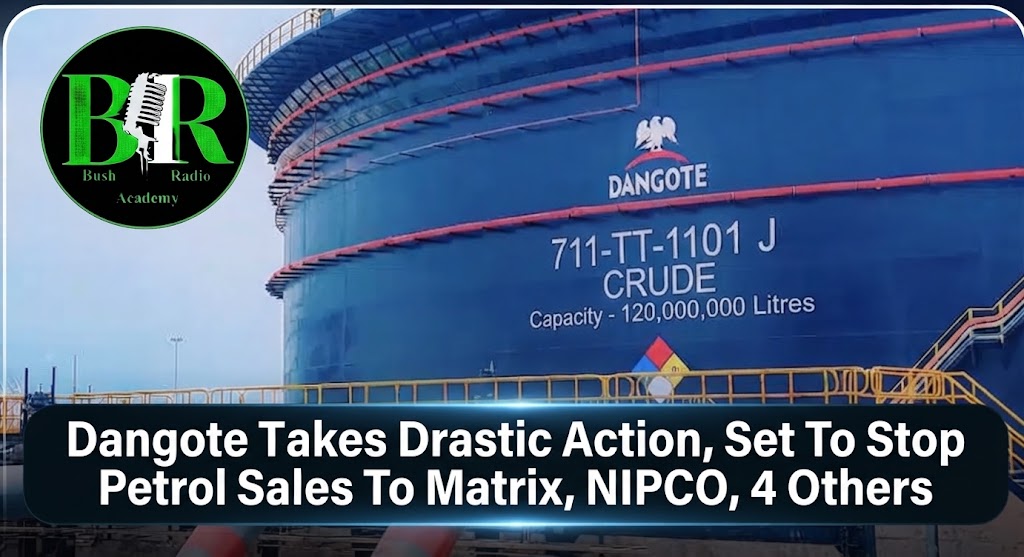
The management of Dangote Petroleum Refinery is considering suspending petrol sales to some licensed fuel importers as part of efforts to protect the quality and reputation of its products in the Nigerian market.
Sources familiar with the development said the refinery is concerned that imported petrol of uncertain quality could be blended with its locally refined products before being distributed to filling stations. Such blending, according to the sources, could make it difficult for consumers and regulators to determine the origin of the fuel if quality-related complaints arise.
A source familiar with the refinery’s position explained that the company was concerned about investing heavily in producing petroleum products locally only for them to be mixed with imported fuel and subsequently associated with the Dangote brand.
Another source stressed the need for a clear distinction between products refined by Dangote and those imported or blended by third parties, noting that quality problems could otherwise be wrongly attributed to the refinery.
The development comes amid concerns over the continued importation of petrol despite increasing domestic refining capacity. Figures cited by the refinery reportedly showed that imported petrol accounted for approximately 43 per cent of the country’s total petrol supply in July.
The refinery is reportedly considering prioritising marketers without petrol import licences, while companies that continue importing products under the Federal Government’s approved framework could potentially lose access to Dangote’s locally refined petrol.
Six companies currently licensed by the Nigerian Midstream and Downstream Petroleum Regulatory Authority (NMDPRA) to import Premium Motor Spirit (PMS) are Matrix Energy, A.A. Rano, AYM Shafa, NIPCO, Pinnacle Oil and Gas, and Bono Energy.
The licences, issued in May, reportedly cover a combined allocation of about 720,000 metric tonnes, with individual allocations ranging from 60,000 to 150,000 tonnes.
The proposed move by Dangote Refinery could further reshape competition between locally refined and imported petrol in Nigeria, particularly as the country continues to expand domestic refining capacity.


Arsenal’s Ethan Nwaneri Set For Dortmund Loan Move On Deadline Day

Peller Transfers ₦1M To Groundnut Seller, Then Demands His Money Back

Nigerian Newspapers Front Pages Today: Major Stories Making Headlines Tuesday, September 1

D’Tigers Coach David Fizdale Confident Nigeria Can Secure FIBA World Cup Ticket

Dangote Takes Drastic Action, Set To Stop Petrol Sales To Matrix, NIPCO, 4 Others

WHY OKPEBHOLO KNOWS WHAT HE IS SAYING ABOUT TINUBU’S 2.5 MILLION VOTES

Fake Agency Scandal: ICPC Recommends Punishment for 13 Officials — See Full List

APC Crisis? Ojudu Blasts Tinubu Campaign Council List, Raises Fresh Concerns

Was The Sacrifice Worth It?” – El-Rufai’s Son Reveals What Father Told Him In Detention
