
Latest
INEC Unveils Plans For Mock 2027 Presidential Election In Major Electoral Test Run

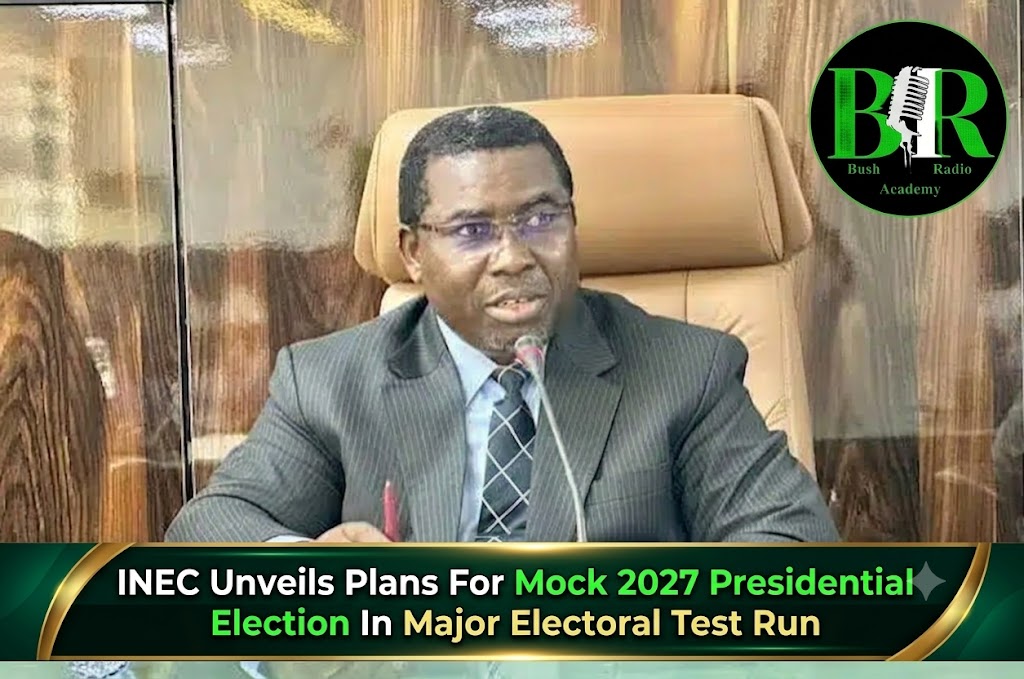
The Independent National Electoral Commission (INEC) has unveiled plans to conduct a mock presidential election ahead of the 2027 general election as part of efforts to strengthen the country’s electoral process.....KINDLY READ THE FULL STORY HERE▶
According to the commission, the exercise is designed to test its election technology, logistics and operational systems, identify potential weaknesses and address them before Nigerians head to the polls in 2027.
INEC said lessons from the simulation will be used to improve the transparency, credibility and efficiency of the presidential election.
The Chairman of the Commission, Prof. Joash Amupitan, disclosed the proposal on Thursday while receiving the British High Commissioner to Nigeria, Dr. Richard Montgomery, during a courtesy visit to the commission’s headquarters in Abuja.
Amupitan explained that the planned mock poll forms part of a broader review of INEC’s electoral processes, particularly in response to concerns raised after the 2023 general election regarding the performance and reliability of election technology.
He said the commission is considering a comprehensive audit of all its technological infrastructure before the 2027 polls, alongside the mock presidential election, to assess the readiness of its systems and operational procedures.
According to the INEC chairman, although the proposed exercises were not initially included in the commission’s budget, the commission is exploring ways to implement them because of their importance to the credibility of the next general election.
He noted that the initiative complements INEC’s ongoing efforts to enhance technological reliability through the continued use of the Bimodal Voter Accreditation System (BVAS), the INEC Result Viewing Portal (IReV), and a comprehensive review of its cyber-security framework, including system redundancy, penetration testing and disaster recovery measures.
Amupitan stressed that public trust in the electoral process depends largely on the integrity and reliability of the commission’s technology, adding that INEC remains committed to addressing any shortcomings identified from previous elections before the 2027 polls.
He also highlighted election technology and cyber-security as key areas of collaboration between INEC and the United Kingdom, acknowledging the support the commission has received from the UK Government and other development partners, including the International Foundation for Electoral Systems (IFES).
Reaffirming the commission’s commitment to credible elections, Amupitan said delivering a transparent and trustworthy electoral process requires the collective efforts of political parties, security agencies, civil society organisations, development partners and Nigerian citizens.
Earlier, British High Commissioner Dr. Richard Montgomery said the UK had been closely monitoring INEC’s preparations for the 2027 general election, including developments from recent off-cycle elections in Ekiti, the Federal Capital Territory and Anambra, as well as preparations for the forthcoming Osun State governorship election.
Montgomery described the UK’s engagement with Nigeria’s electoral process as part of its commitment to supporting democratic governance, referencing the strategic partnership signed by both countries in 2024 and President Bola Tinubu’s state visit to the United Kingdom earlier this year.
The outgoing High Commissioner, whose tenure ends in about six weeks, assured INEC that British support would continue under his successor as both countries deepen cooperation ahead of the 2027 general election.


INEC Unveils Plans For Mock 2027 Presidential Election In Major Electoral Test Run

Major Blow To FRSC As Court Restricts Officers From Intercepting Drivers On State Roads

Oshiomhole Breaks Ranks, Opposes Fasina’s Confirmation Over Sexual Harassment Allegations

The Truth Must Be Told!’ – Full Text Of Umahi’s Explosive Remarks On Mary Habila’s Controversial Death

How Fake Agency DG Adeyemi Ended Up Behind Bars At Former SARS Headquarters

Mystery Deepens: New Details Surface In Mary Habila Death Investigation

Edo Governor Makes Major Shake-Up, Approves 20 Fresh Appointments

Fresh War Of Words: Oshiomhole Blasts Makinde Over Demand For UN Investigation

Inside The Asset Seizure: Full List Of 48 Malami-Linked Properties Released
