
Latest
Inside Aso Rock: Buhari’s Sh*ck Decision Not To Pick a Successor, Let DSS Boss Go

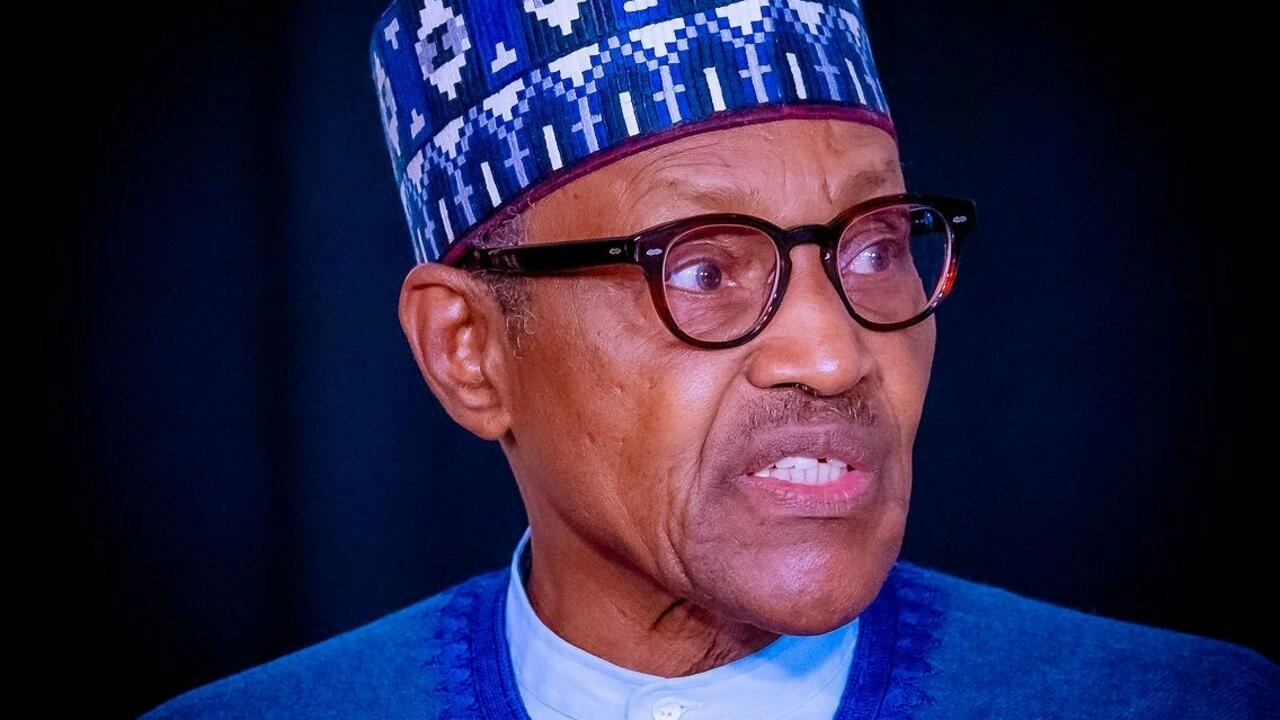
Revelations from a newly released 600-page biography of late President Muhammadu Buhari have shed fresh light on his much-debated decision not to publicly endorse a successor within the All Progressives Congress (APC), portraying it as a deliberate security strategy rather than indifference or detachment.....KINDLY READ THE FULL STORY HERE▶
The book, From Soldier to Statesman: The Legacy of Muhammadu Buhari, authored by Dr Charles Omole, Director-General of the Institute for Police and Security Policy Research (IPSPR), was unveiled in Abuja on Monday before an audience that included President Bola Tinubu and Gambian President Adama Barrow.
According to the biography, former Director-General of the Department of State Services (DSS), Yusuf Bichi, disclosed that Buhari deliberately avoided naming a preferred successor ahead of the 2022 APC presidential primaries due to fears that such an endorsement could place the individual in serious danger amid intense political rivalries.
Bichi explained that the political climate at the time was highly volatile, noting that Buhari believed publicly anointing a candidate would effectively expose the person to grave security risks.
“In those months, knives were out—politically and, as security professionals know, sometimes literally,” Bichi said.
He added that identifying an anointed successor would not only endanger lives but also destabilise an already fragile political process designed to spread risk among competing factions.
“He was protecting a life and maintaining a delicate balance within a party whose internal tendencies could easily descend into chaos rather than concede a coveted nomination,” Bichi stated.
President Bola Tinubu eventually emerged victorious at the APC primaries and went on to win the presidential election.
The biography also offers insight into Buhari’s leadership philosophy, highlighting his strong commitment to institutional order—even when it meant refusing to intervene in decisions taken by close allies.
Bichi further explained why Buhari chose not to reverse the removal of Lawal Daura as Director-General of the DSS by then-Acting President Yemi Osinbajo.
Despite mounting pressure after Buhari’s return, he declined to interfere, believing that overturning Osinbajo’s decision would undermine the authority of the acting presidency.
“He had delegated executive power to his vice president. To reverse that decision would have amounted to an insult to his vice president and a violation of institutional integrity,” Bichi said.
According to him, Buhari viewed any reversal as detrimental to the legitimacy and stability of governance structures, a principle that consistently guided his actions in office.


People Mistook His Creativity For Madness’ — Hanks Anuku’s Manager Reacts To Viral Video

Miracle Claim: Adeboye Says God Revealed Dramatic Release Of Kidnapped Oyo Pupils

I Wanted To Be A Catholic Priest’ — Chief Priest Reveals Sh*cking Childhood Dream

Fresh Political Buzz: First Lady Tinubu Claps Back At Critics, Says ‘It’s Not Only Akara

NDC Legal Battle: Kwankwaso Reveals Next Step, Calls For Unity Among Obidients And Kwankwasiyya

History in Edo: Okpebholo Nominates Enugu-born Martin Oli as Commissioner

Momoh Receives National Youth Group, Reaffirms Commitment to Youth Empowerment and Regional Development

Sh*cking Police Shake-Up As Oyigbo DPO Is Removed Over ₦500,000 Bribery Allegation

Dollar To Naira Sh*ck: Fresh Exchange Rate Revealed For June 21, 2026
