
Inside The Impact: Why US-Nigerian Strike On Al-Minuki Changes The Fight Against ISIS
 Follow us on Google News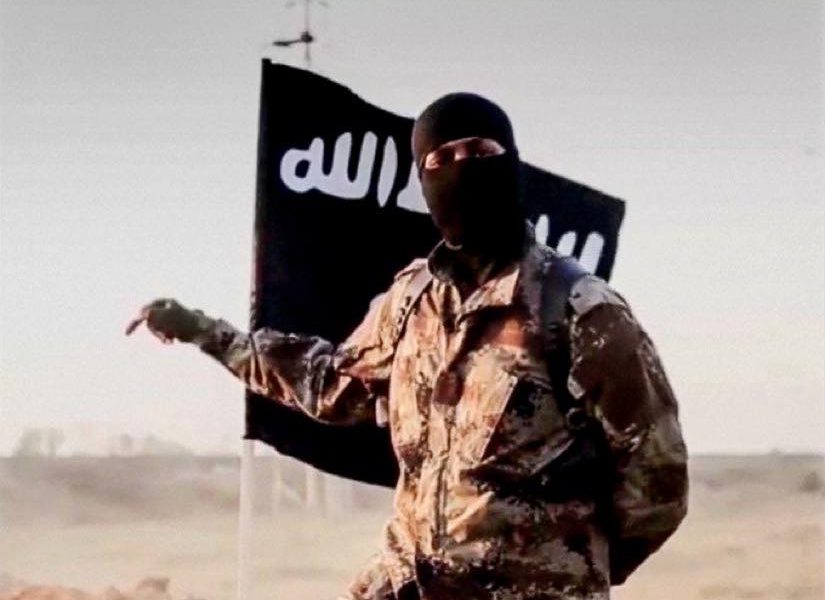
The reported elimination of Abu-Bilal al-Manuki, a senior Islamic State commander widely described as the second-in-command of ISIS globally, by joint United States and Nigerian forces could mark one of the most significant counterterrorism breakthroughs in the Lake Chad conflict in recent years.
Beyond the removal of a high-profile extremist leader, the operation suggests a notable shift in the ongoing fight against Islamic State West Africa Province (ISWAP) and allied jihadist networks operating across Nigeria and the wider Sahel region.
According to a statement attributed to U.S. President Donald Trump, the mission was executed by American forces in coordination with the Nigerian military after what he described as a “meticulously planned and highly complex operation.”
The development also highlights a rare level of publicly acknowledged intelligence sharing, surveillance capability, and operational coordination between Nigeria and the United States in counterterrorism efforts.
However, analysts argue that the significance of the strike goes far beyond the death of a senior militant figure.
A key figure in ISWAP’s evolving warfare strategy
Security and intelligence sources familiar with Lake Chad operations suggest that al-Manuki was part of a wave of foreign fighters deployed to strengthen ISWAP’s structure and battlefield efficiency.
These fighters, believed to have experience from other conflict zones, reportedly contributed to a shift in insurgent tactics across northeastern Nigeria.
Over time, ISWAP operations began showing increased sophistication, including coordinated night attacks, mobile strike units, use of armed drones for reconnaissance and attacks, improved explosive device deployment, renewed suicide operations, and stronger communication and logistics systems.
Earlier insurgent attacks in the region were often localised and predictable. However, ISWAP gradually adopted tactics associated with ISIS operations in the Middle East, particularly surprise night raids aimed at overwhelming isolated military positions.
The introduction of drone technology into the conflict, though still limited in capability, signalled a growing adaptation to modern warfare methods.
Al-Manuki is believed to have played a central role in this transformation, extending his influence beyond combat operations into financing networks, recruitment structures, strategic communication, and coordination between ISIS central leadership and ISWAP factions across West Africa.
Why the operation is significant
The killing of such a figure carries several important implications.
First, it disrupts ISWAP’s command structure. The group relies heavily on coordination systems that include logistics, recruitment, funding, propaganda, and external support. The loss of a senior coordinator can create confusion and weaken operational efficiency.
Second, the operation suggests a breakthrough in intelligence penetration. ISWAP has long benefited from difficult terrain across the Lake Chad islands, Sambisa Forest, and wider Sahel corridor. Successfully tracking and eliminating a high-value target of this profile indicates improved surveillance and intelligence access to previously secure networks.
President Trump’s reference to intelligence monitoring of the target is also likely to increase internal suspicion within extremist ranks, where concerns about infiltration can destabilise trust structures.
Third, the development reflects increasing global attention on ISIS-linked activity in West Africa. The Sahel has become one of the world’s most active jihadist zones amid instability in Mali, Burkina Faso, and Niger, turning the region into a transnational security concern.
What it does—and does not—mean
Despite its significance, experts caution that the operation does not signal the defeat of ISWAP.
The group has demonstrated resilience in the past, surviving leadership losses, military offensives, and internal fractures. Its endurance is often linked not only to ideology but also to underlying socio-economic challenges such as poverty, unemployment, displacement, porous borders, and limited state presence in remote communities.
As long as these conditions persist, recruitment opportunities for extremist groups are likely to remain.
However, the removal of a strategically important figure like al-Manuki may slow ISWAP’s operational coordination and temporarily disrupt its ability to execute complex attacks.
Psychological and strategic impact
The broader impact of the operation may be psychological as much as operational.
For insurgent leadership, it sends a signal that even high-ranking figures are vulnerable. For Nigerian troops, it serves as a morale boost and evidence that sustained counterterrorism pressure is yielding results. For civilians in the North-East, it offers cautious optimism that extremist operational reach is being constrained.
For Nigeria’s broader security strategy, the operation may represent a gradual shift toward intelligence-led precision targeting of high-value militants rather than prolonged attritional warfare.
Ultimately, the long-term significance will depend on what follows—particularly sustained intelligence operations, regional cooperation, stabilization efforts, and community recovery initiatives.
Only then can it be determined whether the killing of Abu-Bilal al-Manuki becomes a symbolic victory or the beginning of a deeper strategic weakening of ISWAP in the Lake Chad Basin.






Comments
0 comments