Latest
Major Education Shake-Up: FG Moves To Scrap JSS, SSS Separation Policy

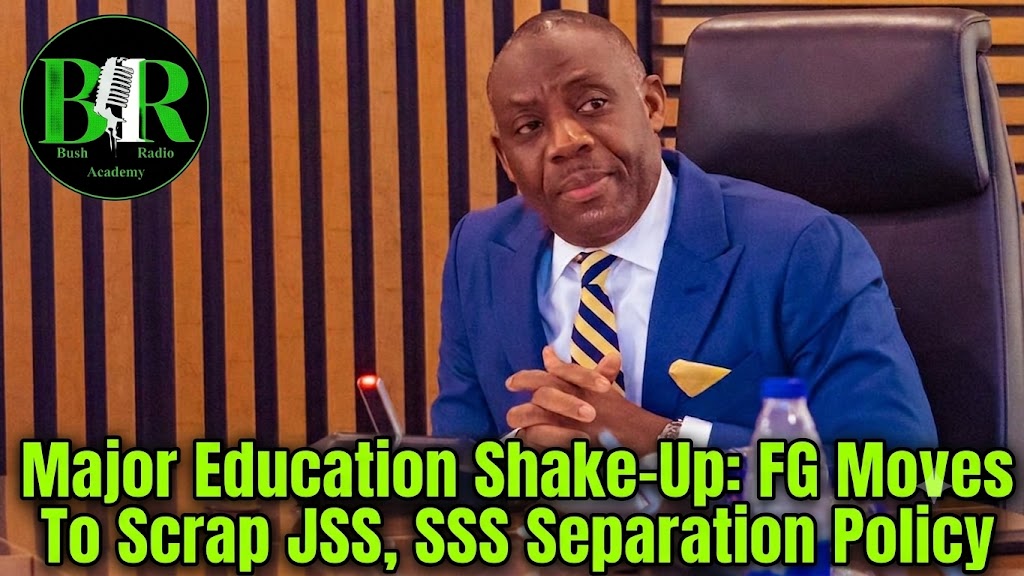
The Federal Government has unveiled plans to discontinue the policy that separates Junior Secondary Schools (JSS) from Senior Secondary Schools (SSS), saying the arrangement has contributed to increasing school dropout rates and inefficiencies within the education system.....KINDLY READ THE FULL STORY HERE▶
The Minister of Education, Tunji Alausa, made the announcement on Tuesday in Abuja during the inauguration of the Universal Basic Education Commission (UBEC) Ministerial Implementation and Monitoring Committee.
According to the minister, the policy requiring junior and senior secondary schools to operate independently—with separate principals and administrative structures—has not delivered the expected results.
Alausa disclosed that government data shows about 20 million pupils fail to transition from primary school to junior secondary school, describing the figure as a major concern.
He also pointed to the imbalance in the number of public schools across the country, noting that Nigeria has approximately 80,000 public primary schools but only about 15,000 junior secondary schools.
The minister explained that the disparity has placed enormous pressure on existing junior secondary schools while many senior secondary school facilities remain underutilised.
Describing the current arrangement as ineffective, Alausa said the government intends to phase out the policy, arguing that administrative considerations should never take precedence over improving educational opportunities for Nigerian children.
He revealed that the proposal will be presented at the next meeting of the National Council on Education for deliberation and possible approval.
According to him, the planned reform is designed to expand access to education, improve the transition rate between school levels and enhance overall learning outcomes.
As part of ongoing reforms, the minister also inaugurated a committee headed by Professor Rashid Aderinoye to supervise the implementation of Universal Basic Education Commission-funded Smart Schools, Bilingual Schools and Alternative Schools.
Alausa said the committee has been tasked with ensuring the projects are completed, formally handed over to state governments and made operational for learners.
He expressed concern that despite significant public investment in the projects, many of the schools remain unfinished or have yet to commence academic activities, describing the situation as an inefficient use of government resources.


Key Details Emerge From IGP Disu’s Strategic Meeting With Ex-IGPs

Fresh Twist As Court Orders Prosecution Of Officer Accused In Osun Truck Driver’s Killing

Kenneth Okonkwo Sparks Fresh Controversy, Says Peter Obi Is ‘Inconsequential

If The Agency Doesn’t Exist, Why Was I Meeting Its Heads?” Adeniyi Adeyemi Challenges Presidency

Burna Boy’s Mom Sparks Buzz with Emotional Plea: ‘It’s Time To Get Married And Have Kids

History in Edo: Okpebholo Nominates Enugu-born Martin Oli as Commissioner

Momoh Receives National Youth Group, Reaffirms Commitment to Youth Empowerment and Regional Development

OSHIOMHOLE’S ENDURING INFLUENCE: WHY EDO NORTH REMAINS CRUCIAL TO TINUBU’S 2027 CALCULATIONS

Rufai Sparks Debate With Explosive Reaction To Police Statement On Suspected Bandits