
Latest
Minister Momoh is Changing the Narrative: Regional Development Takes a Giant Leap Under Tinubu’s Renewed Hope Agenda

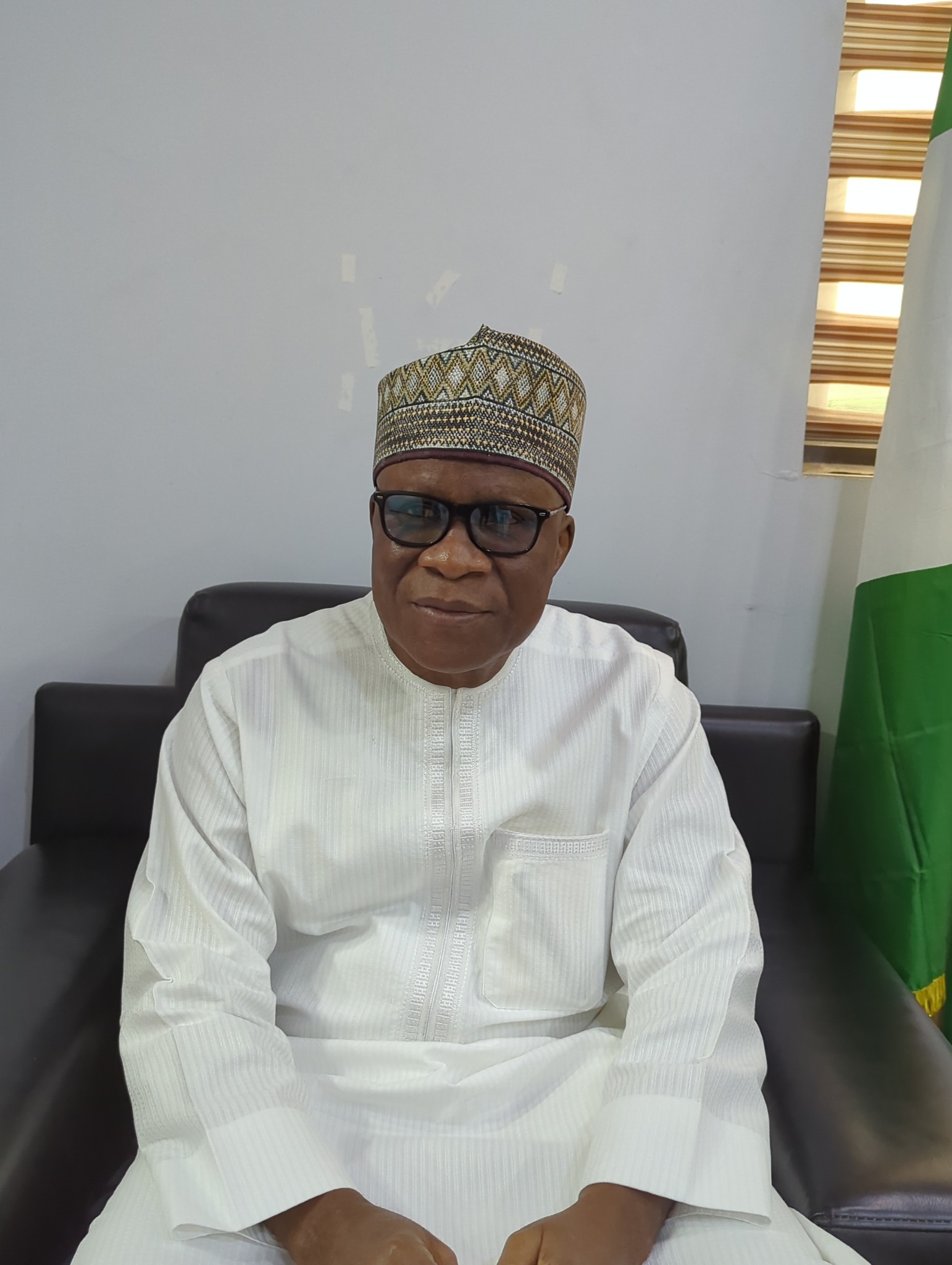
Minister Momoh is Changing the Narrative: Regional Development Takes a Giant Leap Under Tinubu’s Renewed Hope Agenda
In a time when Nigerians yearn for purposeful governance, the Honorable Minister of Regional Development, Engr. Abubakar Momoh FNSE, is silently but steadily scripting a new chapter in the nation’s development playbook. Appointed under the visionary leadership of President Bola Ahmed Tinubu, the minister is proving that with strategic focus, regional development can be people-driven, results-oriented, and nationally unifying.....KINDLY READ THE FULL STORY HERE▶
From the creeks of the Niger Delta to the plains of the North-East, and now with the birth of new development commissions, the story is no longer about marginalization but about impact, synergy, and sustainability.
Stability and Progress in the Niger Delta
At the heart of the South-South lies the Niger Delta Development Commission (NDDC), once riddled with leadership crises and halted interventions. Today, under the astute coordination of the Regional Development Ministry, the NDDC has emerged stronger, stable, and result-driven. Thanks to the collaborative efforts of the board and management under the leadership of Dr. Samuel Ogbuku, the commission has executed landmark projects that are transforming lives.
From the completion of the 132/33KV electricity substation in Ondo South after 15 years of darkness, to the inauguration of the Ogbia-Nembe road in Bayelsa—a 29-kilometre marvel constructed in collaboration with Shell—NDDC is back on track. In Rivers State, the 25.7km Okrika-Borokiri bypass, a project once abandoned, is now delivering new economic lifelines.
The days of abandoned projects and internal rancour are gone. Today, the NDDC board and executive management work in harmony, guided by clear policy direction from the Ministry of Regional Development.
North-East Rising from the Ashes
In the North-East, the story is equally inspiring. The North East Development Commission (NEDC), tasked with rebuilding lives after years of insurgency, is delivering on its mandate. Mega projects such as the construction of 500 housing units across each of the six states in the region, the rehabilitation of roads and educational institutions, and skills empowerment programmes are restoring hope to communities that were once displaced and traumatized.
Under Minister Momoh’s guidance, NEDC is no longer just an emergency response agency—it is a beacon of renewal, a partner in growth, and a testimony to what federal commitment can achieve when rooted in empathy and strategy.
Brotherhood Over Bureaucracy
One of the most refreshing aspects of this new era is the unprecedented synergy between the NDDC and NEDC. Once seen as regional silos, these commissions now operate like twin engines of progress, exchanging ideas, policies, and manpower development strategies. The brotherly relationship between the leadership of both agencies—fostered by the Regional Development Ministry—is a clear shift from past rivalry to shared purpose.
This collaboration is more than symbolic. Joint capacity-building sessions, harmonized project tracking templates, and cross-regional innovation exchanges are laying the groundwork for a unified developmental ecosystem across Nigeria’s geo-political zones.
Positioning the New Commissions for Legacy Impact
Beyond the existing commissions, Minister Momoh is also laying the foundation for newly established regional development commissions, ensuring that they are not just created but well-structured for delivery. From setting up transition teams to outlining strategic masterplans aligned with Tinubu’s Renewed Hope Agenda, the Ministry is intentional about long-term sustainability.
Rather than running on bureaucratic autopilot, these new commissions are being equipped with institutional frameworks that ensure transparency, measurable outcomes, and responsiveness to the real needs of the people.
The Tinubu Factor
All these gains are anchored on the leadership philosophy of President Bola Ahmed Tinubu, whose Renewed Hope Agenda prioritizes regional equity, grassroots inclusion, and economic prosperity. Minister Momoh, in executing this vision, has not only become a symbol of silent efficiency but also a pillar in President Tinubu’s nation-building strategy.
What we see today is not just regional development—it is regional transformation powered by strategic leadership and genuine political will.
As more Nigerians begin to feel the impact of roads, hospitals, housing, clean water, and skills empowerment across regions, one thing becomes clear: the narrative is changing, and for once, it is a story the people can believe in.


Obanikoro Reveals Why He Branded Fashola A ‘Toy Governor’ Under Tinubu

I Thought I Would Lose My Mind’ — Biola Fowoshere Reveals Heartbreaking Ordeal After Marriage Crash

Fresh Shake-Up: Tinubu Unveils New Appointments, Three Oyo Indigenes Emerge

Peter Obi Reveals Why He Chose Kwankwaso As His 2027 Running Mate

Why Mahatma Gandhi’s Famous View On Believers Still Sparks Heated Debate

Mystery Deepens: New Details Surface In Mary Habila Death Investigation

Edo Governor Makes Major Shake-Up, Approves 20 Fresh Appointments

Oshiomhole Breaks Ranks, Opposes Fasina’s Confirmation Over Sexual Harassment Allegations

The Truth Must Be Told!’ – Full Text Of Umahi’s Explosive Remarks On Mary Habila’s Controversial Death
