
Navigating The Thanksgiving Journey: Insights From Azu Ishiekwene
 Follow us on Google News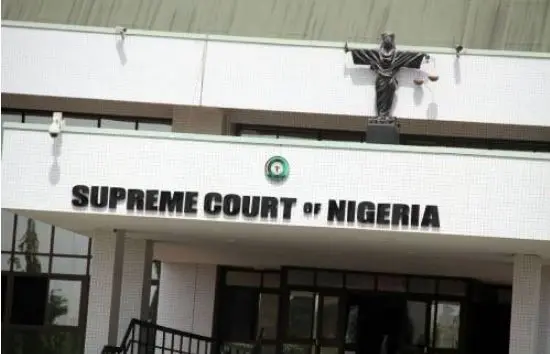
Navigating The Thanksgiving Journey: Insights From Azu Ishiekwene
Bauchi State Governor, Bala Mohammed, can finally find respite as the Supreme Court upheld his election, culminating in a joyous gathering of supporters at the State Government Lodge in Abuja. Despite the comfort of his waterbed, the governor revealed that he had not slept for seven days and nights, tirelessly fighting legal battles to secure the mandate of voters against alleged attempts by former leaders to thwart it…….CONTINUE READING
The election, nearly a year ago, became a prolonged legal saga, with Mohammed and seven other governors from different states spending a significant portion of their tenures in court. The courts, in this case, served as the ultimate arbiter, deciding the fate of these leaders in what has become a crucial judicial ballot.
One may wonder about the governor’s activities during those seven sleepless days in Abuja. Speculations could range from spiritual wrestling matches against perceived threats to strategic sessions with religious leaders and revered figures, all in the pursuit of safeguarding his electoral victory.
Expressing gratitude, Governor Mohammed acknowledged the Supreme Court’s role in the favorable outcome but also extended appreciation to President Bola Ahmed Tinubu and his deputy, Kashim Shettima, for not interfering and allowing the rule of law to prevail. This sentiment suggests a unique twist where political leaders attribute success not just to legal prowess but also to the non-interference of influential figures.
A noteworthy aspect of the post-election drama was the physical presence of five out of eight governors at the Supreme Court when the judgment was delivered. In contrast to historical norms, contemporary politicians actively engage with the court proceedings, signaling a shift in approach and a desire for firsthand information amidst heightened tension.
Reflecting on the broader electoral landscape, the article highlights the evolving nature of electoral laws and the strategic maneuvers employed by politicians, often with legal support, to navigate the complex legal terrain. Despite improvements in the electoral legal framework over the past 24 years, there remains a lack of robust and reliable electoral jurisprudence.
The Supreme Court’s inconsistent and sometimes conflicting judgments add complexity to the situation, raising questions about its role in settling electoral disputes. The article critiques instances where the court has intervened in party pre-election matters, highlighting the challenges of maintaining a coherent and just jurisprudential framework.
In conclusion, the piece calls for a reevaluation of the electoral process, advocating for the disposal of election petitions before swearing in and limiting disputes to a maximum of two layers of adjudication. The author expresses concern that recent rulings may have further undermined the judiciary, particularly the Court of Appeal, potentially eroding public confidence in the legal system. This, the article suggests, is a trend that could have far-reaching consequences, keeping the nation on edge.
For more information join our WhatsApp group by clicking the link here: WhatsApp Group Invite




Comments
0 comments