
Poor 2026 Harvest: Farmers With Disabilities Urge FG Programme To Improve Agricultural Support
 Follow us on Google News
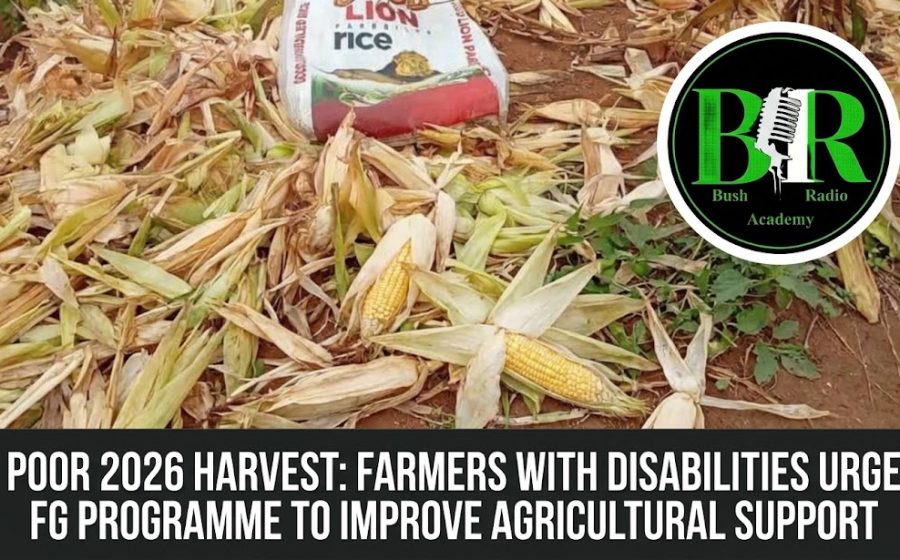
Farmers with disabilities participating in the Federal Government and International Fund for Agricultural Development (IFAD)-supported Value Chain Development Programme (VCDP) in Niger State have appealed for improved agricultural guidance, particularly on appropriate planting periods and access to early-maturing crop varieties, following disappointing harvests during the 2026 farming season.
The farmers made the appeal during a feedback exercise organised to assess the empowerment support provided to persons with disabilities across the nine local government areas participating in the programme.
According to Bush Radio Academy, the Chairman of the Niger State Farmers with Disabilities and representative of farmers with disabilities under the All Farmers Association of Nigeria (AFAN), Mohamed Abubakar Enagi, said members of the group cultivated rice, maize, soybeans and cowpea but recorded different harvest outcomes.
Enagi explained that their rice production suffered significantly because of inadequate rainfall, leaving the farmers with little prospect of a substantial harvest from the approximately half-hectare of land cultivated.
He disclosed that the group had harvested more than nine bags of maize and eight bags of soybeans at the time of the assessment, while the cowpea crop was still awaiting harvest.
The chairman acknowledged that delayed planting also contributed to the poor results, explaining that the farmers did not begin planting until towards the end of May.
He stressed the need for proper guidance on planting schedules and suitable seed varieties, particularly early-maturing crops that could help farmers achieve better yields despite changing weather conditions.
Enagi also identified the high cost of labour as a major challenge facing farmers with disabilities, noting that many beneficiaries had to employ additional workers because their physical conditions limited their ability to carry out certain farming activities independently.
He added that some members had exhausted their financial resources and were forced to borrow money to sustain their agricultural activities.
Although he acknowledged that the farmers had received agricultural inputs and training through the VCDP, Enagi maintained that more practical assistance and continuous guidance were necessary to prevent further losses in subsequent farming seasons.
Meanwhile, the VCDP Rural Institution, Gender and Youth Officer in Niger State, Hajiya Maimuna Abubakar Ahmed, disclosed that 262 farmers with disabilities had been registered in the programme’s database.
She explained that the beneficiaries were engaged in different activities across the rice and cassava value chains, adding that the programme had allocated a dedicated budget to support persons with disabilities.
Ahmed listed fertilisers, herbicides, protective equipment, other agricultural inputs and processing machines among the items distributed to beneficiaries to improve their productivity and participation in the agricultural sector.
She further explained that the programme determined the needs of participants through business plans covering farming, processing and marketing activities, while field visits were conducted to monitor and evaluate the assistance provided.
On access to weather information, Ahmed said the VCDP regularly sent agricultural advisories to farmers to help them make informed decisions. However, she acknowledged that some beneficiaries might miss the updates because they had changed or lost access to the telephone numbers registered with the programme.
The farmers’ concerns have highlighted the need for timely agricultural information, affordable labour support and suitable farming inputs to improve productivity among persons with disabilities, particularly as they prepare for future planting seasons.







Comments
0 comments